HeadPowder, a leading manufacturer based in Shandong, China, specializes in advanced material handling solutions. This article explores the fundamental principles and practical applications of pneumatic conveying machines designed for transporting lithium fluoride, a critical chemical in various industrial processes. The company, known for its innovative engineering, provides customized systems that meet the unique demands of handling lithium fluoride, ensuring efficiency, safety, and reliability in material transport.
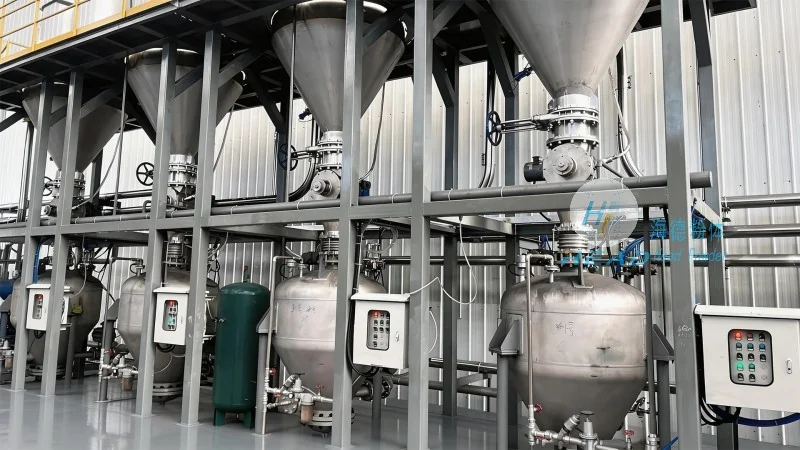
Principle of Pneumatic Conveying for Lithium Fluoride
The pneumatic conveying system operates on the principle of using compressed air to move bulk materials through a pipeline. For lithium fluoride, which is typically a fine or granular powder, this method offers significant advantages over traditional mechanical conveyors. The system comprises key components such as a hopper for material storage, a venturi or air lock for material induction, and a receiver for material discharge. As material is drawn from the hopper, it is entrained by the high-velocity air stream, forming a dense phase flow that efficiently transports the material through the pipeline. This process minimizes product degradation and reduces dust generation, making it suitable for handling sensitive materials like lithium fluoride. The enclosed design of the system also helps maintain product purity and prevents contamination, which is essential for applications in chemical and pharmaceutical industries.
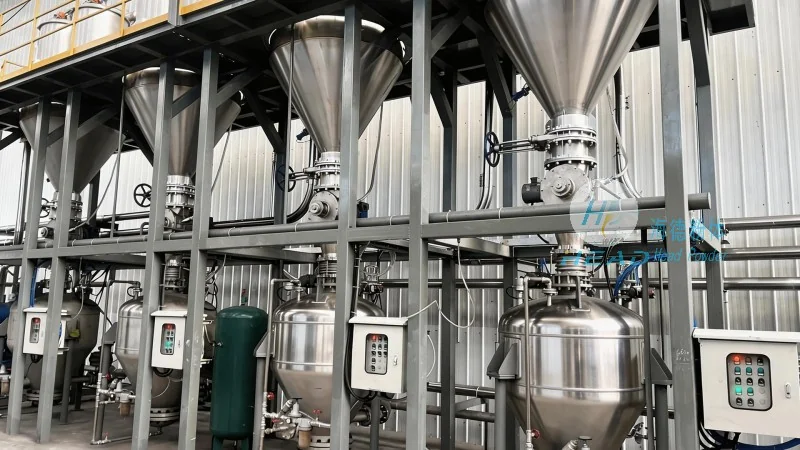
Working Scene Characteristics of Lithium Fluoride Pneumatic Conveying Machines
The application of pneumatic conveying for lithium fluoride is tailored to specific industrial environments where precision and safety are critical. These systems are commonly employed in chemical manufacturing plants, pharmaceutical production facilities, and research laboratories. In chemical plants, the conveying machines facilitate the transfer of lithium fluoride from storage silos to reactors or processing units, ensuring a continuous and controlled flow. This helps maintain production efficiency and reduces downtime associated with manual material handling. In pharmaceutical settings, the enclosed and sterile design of the pneumatic system is crucial for maintaining aseptic conditions, as lithium fluoride is often used in the formulation of drugs. The flexibility of the system allows for integration into existing production lines, enabling seamless material transfer without the need for extensive modifications to the facility layout. Additionally, the system’s ability to handle varying material flow rates and particle sizes makes it adaptable to different production scales, from small-scale research to large-scale industrial operations.
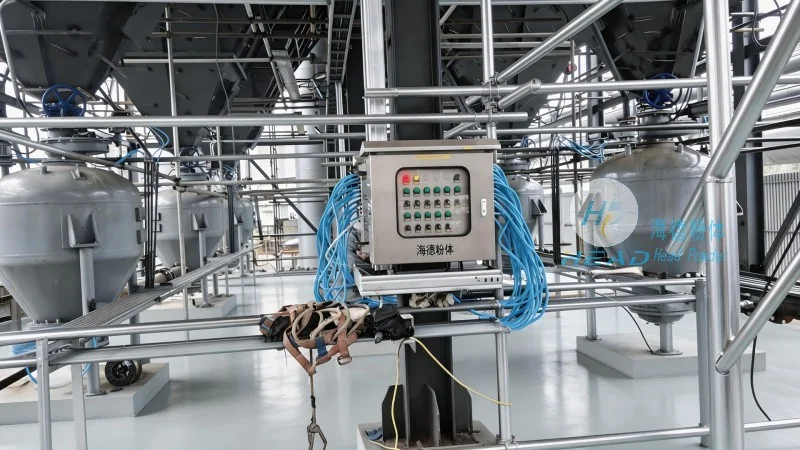
Key Advantages in Handling Lithium Fluoride
When compared to other material handling methods, pneumatic conveying offers several key advantages for lithium fluoride. First, it eliminates the need for mechanical components like belts or screws, reducing maintenance costs and minimizing the risk of product contamination. Second, the enclosed system prevents dust from escaping into the environment, which is important for compliance with environmental regulations and for maintaining a safe working environment. Third, the system can handle materials with varying moisture content and particle sizes, making it versatile for different lithium fluoride formulations. Finally, the energy efficiency of pneumatic conveying, especially with optimized air flow rates, contributes to lower operational costs over time. These advantages make pneumatic conveying the preferred choice for many industries dealing with lithium fluoride, ensuring both operational efficiency and product quality.




