Operation Process and Working Principle of Inorganic Salt Crystal Pneumatic Conveying Systems
Release time:2026-09-20 06:01:32
name of the company:Shandong Headpowder Engineering Co., Ltd.
telephone:156-6277-7102
contacts:Zhang manager
HeadPowder, a leading engineering company based in Shandong, China, specializes in the design and implementation of advanced pneumatic conveying systems for inorganic salt crystals. This article provides a detailed overview of the operational process and working principles of such systems, highlighting key components and the efficiency of the technology.
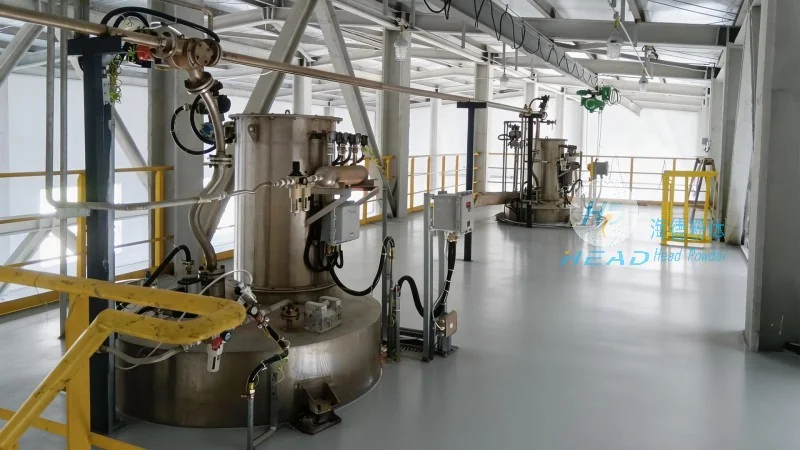
Key Components of the Pneumatic Conveying System
The inorganic salt crystal pneumatic conveying system typically consists of several critical components that work in tandem to ensure smooth material transport. These include a material hopper for storage, a rotary valve or feeder to control the flow rate, a conveying pipeline, a pressure vessel or receiver, and a dust collection system. Each component plays a vital role in maintaining the integrity of the salt crystals and ensuring efficient transport.
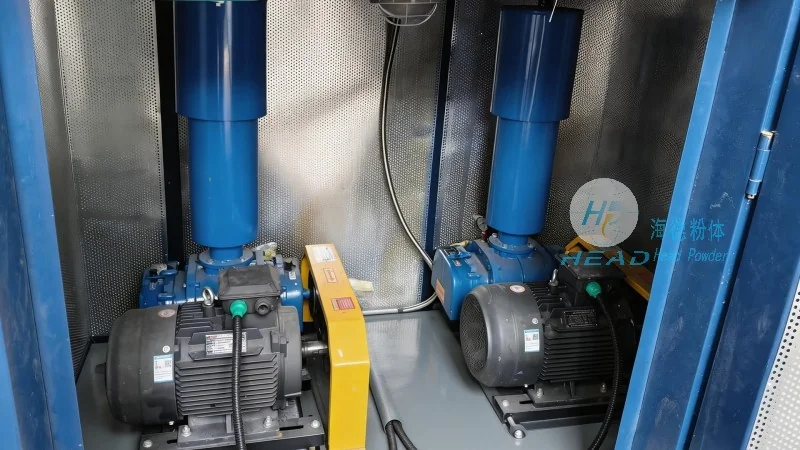
Working Principle of the System
The operation of the pneumatic conveying system begins with the loading of inorganic salt crystals into the material hopper. The rotary valve or feeder then regulates the flow of the crystals into the conveying pipeline. Compressed air, introduced at one end of the pipeline, creates a high-velocity airflow that entrains the salt crystals, forming a slurry-like mixture known as a "pneumatic stream." This stream travels through the pipeline to the receiver or pressure vessel, where the air is separated from the crystals. The separated air is then filtered and discharged, while the salt crystals are collected in the receiver for further processing or storage.
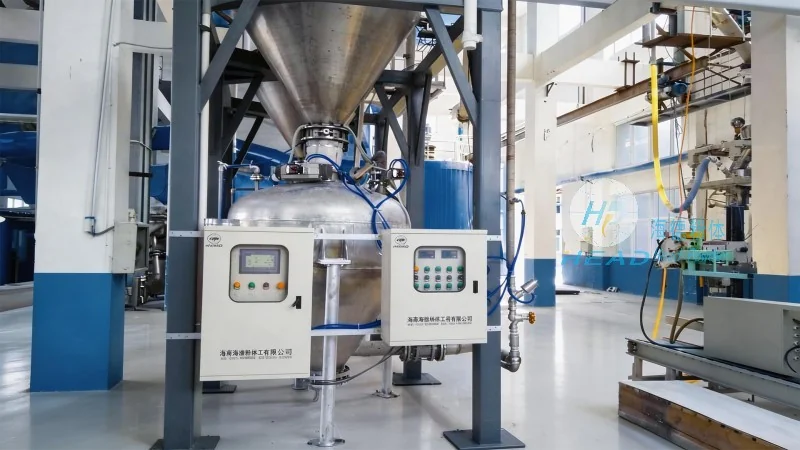
Operation Process and Control Mechanisms
The entire system operates under controlled conditions to maintain optimal performance. The flow rate of the salt crystals is precisely managed by the feeder, which can be adjusted based on the system's demand and the characteristics of the material. The pressure and air volume are monitored and regulated to ensure consistent conveying efficiency. Additionally, the system includes safety features such as pressure relief valves and dust suppression mechanisms to prevent accidents and maintain a safe working environment.
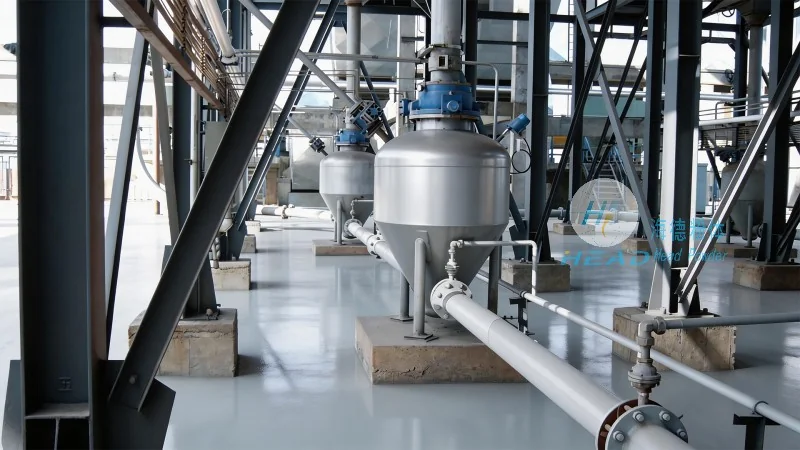
Advantages of Pneumatic Conveying for Inorganic Salt Crystals
Compared to traditional mechanical conveying methods, pneumatic conveying offers several advantages for transporting inorganic salt crystals. These include reduced product degradation due to minimal physical contact, lower risk of contamination, and the ability to handle materials with varying particle sizes and moisture content. The system also allows for flexible routing and integration with other processing equipment, making it suitable for diverse industrial applications.




