Multi-hopper pneumatic conveying equipment is a sophisticated system designed for efficient bulk material handling. This technology is widely used in various industries, including chemical, food, and pharmaceutical sectors, due to its ability to transport powders and granules over long distances with minimal product degradation. The equipment operates by utilizing compressed air to move materials from a source to a destination, offering advantages such as reduced labor costs, improved safety, and enhanced process control.
Company Information
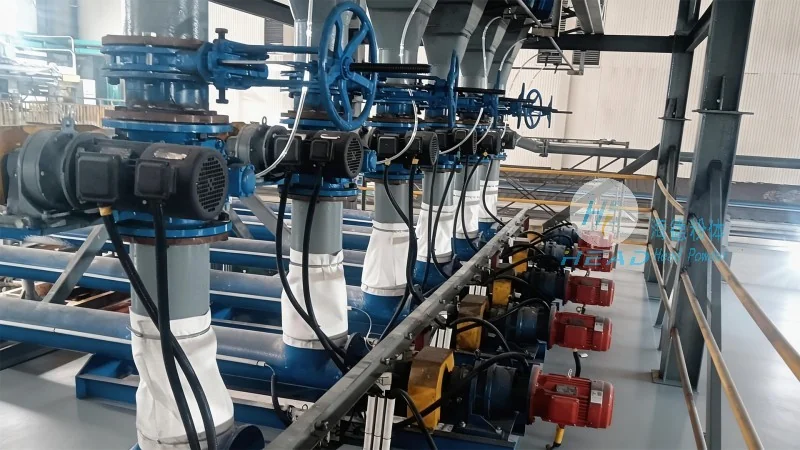
HeadPowder, a leading manufacturer in the field, specializes in providing high-quality pneumatic conveying solutions. The company is headquartered in Shandong, China, and has established itself as a trusted partner for businesses seeking reliable material handling equipment. With a strong commitment to innovation and customer satisfaction, HeadPowder offers tailored solutions that meet the specific needs of each client.
Overview of Multi-Hopper Pneumatic Conveying Equipment
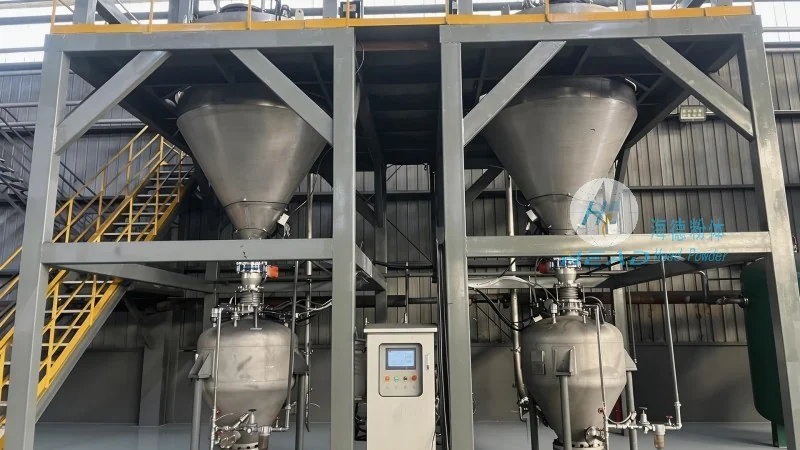
The multi-hopper system typically consists of several hoppers, each containing a different material or a portion of the same material. These hoppers are connected to a central air supply and a conveying line that leads to the discharge point. The equipment operates by sequentially filling each hopper with material, then using compressed air to create a pressure differential that propels the material through the pipeline. This method allows for the simultaneous or sequential transport of multiple materials, making it ideal for complex material handling applications.
Working Principle of the Equipment
The core of the multi-hopper pneumatic conveying system lies in its pneumatic transport mechanism. Compressed air is introduced into the hopper, creating a pressure that forces the material to flow into the conveying line. The air velocity is carefully controlled to ensure that the material is carried as a dilute phase, minimizing particle attrition and maintaining product quality. The system may use either positive or negative pressure, depending on the application and the distance of material transport. Positive pressure systems are commonly used for short to medium distances, while negative pressure systems are preferred for longer distances or when handling dusty materials.
Operation Process Step-by-Step
The operation of the multi-hopper pneumatic conveying equipment follows a systematic process. First, the material is loaded into each hopper. Then, the air supply is activated, and the first hopper is emptied into the conveying line. As the material is transported, the next hopper is filled, and the cycle repeats. This sequential operation ensures a continuous flow of material to the discharge point. The system is equipped with sensors and control valves that monitor the pressure, flow rate, and material level, allowing for real-time adjustments to maintain optimal performance. Additionally, the equipment includes safety features such as pressure relief valves and emergency shut-off mechanisms to prevent accidents and protect the system from damage.
Key Components and Their Functions
Several key components contribute to the efficient operation of the multi-hopper pneumatic conveying system. The hoppers serve as storage vessels, providing a controlled environment for material handling. The air compressor generates the necessary compressed air, which is then distributed to the hoppers and conveying line. The conveying line, typically made of stainless steel or other corrosion-resistant materials, ensures the material is transported without contamination. The control panel manages the entire system, allowing operators to adjust parameters such as air pressure, flow rate, and material feed rate. The discharge valve at the end of the line controls the release of material to the final destination. Each component plays a critical role in ensuring the smooth and reliable operation of the equipment.
Advantages of Multi-Hopper Pneumatic Conveying
Multi-hopper pneumatic conveying equipment offers numerous advantages over traditional material handling methods. One of the primary benefits is the ability to transport materials over long distances without the need for intermediate storage or handling. This reduces the risk of product contamination and improves process efficiency. The system also minimizes labor requirements, as the automated operation reduces the need for manual handling. Additionally, the equipment is designed to handle a wide range of materials, including sensitive powders that require gentle handling. The ability to transport multiple materials simultaneously or sequentially enhances flexibility in production processes, allowing for complex material mixing and blending. Furthermore, the system is compact and can be installed in various locations, making it suitable for both new and existing facilities.
Applications in Different Industries
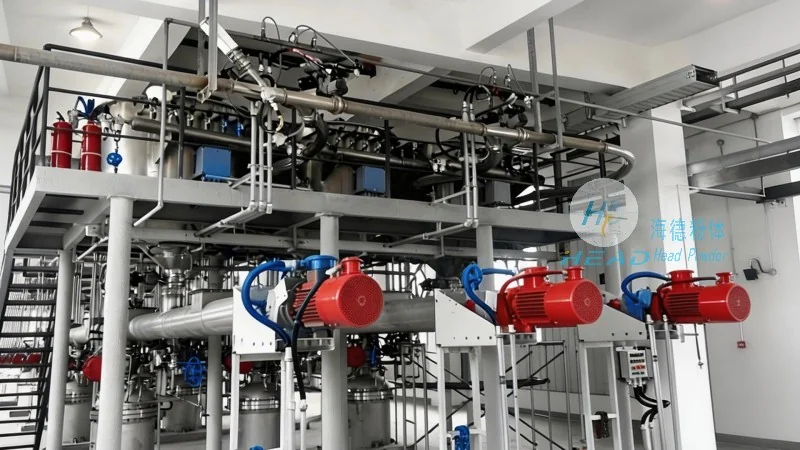
The versatility of multi-hopper pneumatic conveying equipment makes it suitable for a wide range of applications across various industries. In the chemical industry, it is used to transport raw materials and finished products, such as powders and granules. The pharmaceutical industry benefits from the system's ability to handle sensitive materials, ensuring product purity and quality. The food industry utilizes the equipment for transporting ingredients like flour, sugar, and spices, maintaining hygiene and preventing cross-contamination. In the mining and construction sectors, the system is used to transport bulk materials such as coal, sand, and gravel. Each application leverages the equipment's ability to handle different materials and transport them efficiently, contributing to improved productivity and reduced operational costs.
Maintenance and Troubleshooting
To ensure the long-term performance and reliability of the multi-hopper pneumatic conveying equipment, regular maintenance is essential. The system should be inspected regularly for signs of wear and tear, such as leaks in the air compressor or blockages in the conveying line. The hoppers and conveying line should be cleaned periodically to prevent material buildup, which can affect the system's efficiency. The control panel and sensors should be checked to ensure they are functioning correctly. If issues arise, such as reduced material flow or increased air pressure, troubleshooting steps should be taken. Common problems include clogged filters, faulty valves, or low air pressure, which can be addressed by replacing filters, repairing valves, or adjusting the air supply. Proper maintenance and timely troubleshooting help to minimize downtime and extend the lifespan of the equipment.
Conclusion
Multi-hopper pneumatic conveying equipment is a highly effective solution for bulk material handling, offering numerous benefits including efficiency, safety, and flexibility. HeadPowder, with its expertise and commitment to quality, provides reliable equipment that meets the needs of various industries. By understanding the operation process and working principles of this technology, businesses can make informed decisions about implementing such systems, leading to improved productivity and reduced operational costs. The continuous advancement of this technology ensures that it remains a valuable asset in modern material handling operations.




