High-pressure pneumatic conveying equipment is a critical component in modern material handling systems, designed to transport bulk materials efficiently and reliably. This technology utilizes compressed air to move powders, granules, and other particulate materials through a pipeline network. The equipment is widely used across various industries, including chemical, food, pharmaceutical, and mining, due to its ability to handle a wide range of materials with minimal product degradation. Shandong HeadPowder Engineering Co., Ltd., a leading manufacturer in this field, specializes in the design and production of high-pressure pneumatic conveying systems, ensuring that their products meet the highest standards of performance and reliability.
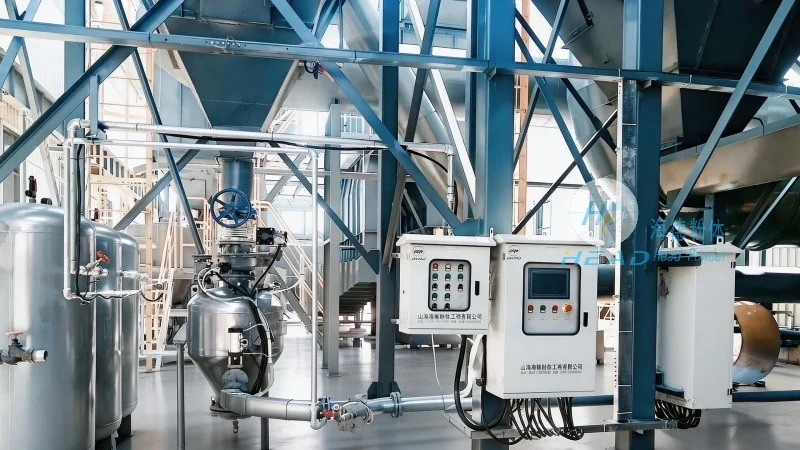
Key Components of High-Pressure Pneumatic Conveying Systems
High-pressure pneumatic conveying systems typically consist of several key components that work in tandem to achieve efficient material transport. These components include a compressor or blower to generate the necessary air pressure, a material feed system (such as a hopper or feeder) to introduce the material into the system, a pipeline network to transport the material, and a discharge system to deliver the material to its destination. Additionally, control systems and safety features are integrated to ensure smooth operation and prevent accidents. Each component plays a vital role in the overall performance of the system, and their proper design and maintenance are crucial for optimal operation.
The Working Principle of High-Pressure Pneumatic Conveying
The core working principle of high-pressure pneumatic conveying involves the use of high-pressure air to create a flow of material within a closed pipeline. When the material is introduced into the system, it is entrained by the high-velocity air stream, which carries it through the pipeline. The pressure differential between the inlet and outlet of the system drives the material forward, ensuring consistent and reliable transport. The system operates under positive pressure, meaning the air pressure is higher than the ambient pressure, which helps maintain the material's flow and prevents air leakage. This method is particularly effective for transporting materials that are prone to caking or segregation, as the high air velocity helps maintain particle separation and prevents blockages.
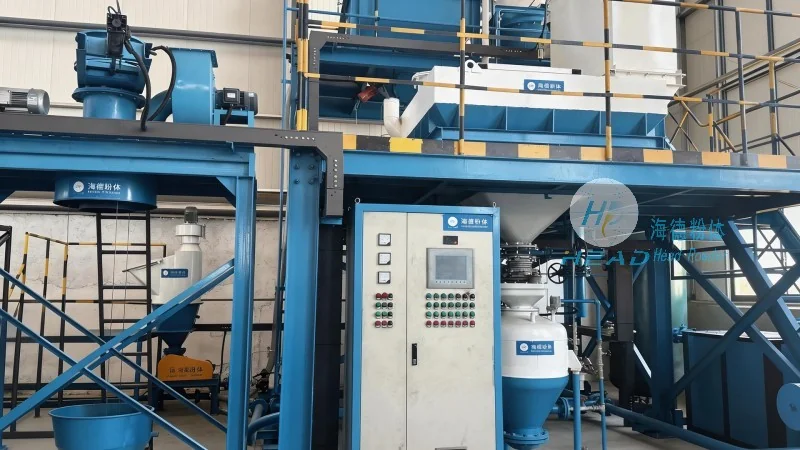
Operation Process: From Material Loading to Discharge
The operation process of high-pressure pneumatic conveying equipment begins with the loading of material into the hopper or feeder. The material is then fed into the pipeline through a valve or feeder mechanism, which controls the flow rate. The compressor or blower then generates the required air pressure, which is introduced into the pipeline at the inlet. As the air flows through the pipeline, it entrains the material particles, creating a dense phase flow. The material travels through the pipeline network, which may include bends, branches, and other components, before reaching the discharge point. At the discharge end, the material is separated from the air using a separator or cyclone, and the air is either recirculated or vented to the atmosphere. The entire process is controlled by a system of sensors and controls that monitor pressure, flow rate, and material level, ensuring that the system operates within safe and efficient parameters.
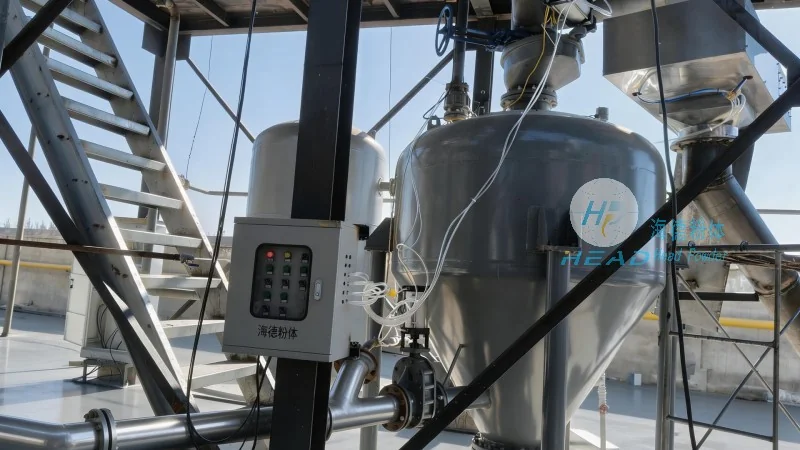
Advantages and Applications of High-Pressure Pneumatic Conveying
High-pressure pneumatic conveying offers several advantages over traditional material handling methods, such as belt conveyors or bucket elevators. These advantages include the ability to transport materials over long distances, the flexibility to handle a wide range of materials, and the reduced risk of product contamination. The system is also relatively compact and can be installed in tight spaces, making it suitable for various industrial applications. In the chemical industry, high-pressure pneumatic conveying is used to transport powders and granules, such as pigments and polymers. In the food industry, it is used to handle dry ingredients like flour and sugar, ensuring that the materials remain fresh and uncontaminated. In the pharmaceutical industry, the system is used to transport active ingredients and other sensitive materials, maintaining strict hygiene and safety standards. The versatility and efficiency of high-pressure pneumatic conveying make it an essential technology in modern material handling.
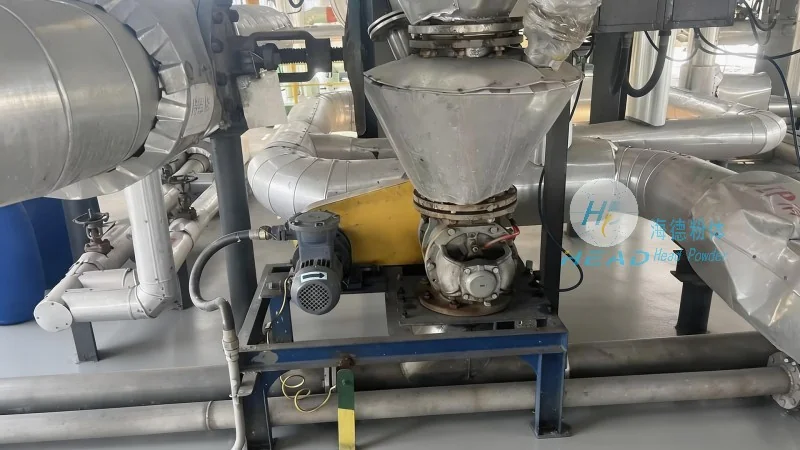
Maintenance and Best Practices for High-Pressure Pneumatic Conveying Equipment
Proper maintenance is essential to ensure the long-term performance and reliability of high-pressure pneumatic conveying equipment. Regular maintenance tasks include checking the compressor or blower for proper operation, inspecting the pipeline for leaks or blockages, and cleaning the material feed system to prevent clogging. The control systems should be calibrated regularly to ensure accurate monitoring of pressure and flow rates. Additionally, the system should be inspected for wear and tear, particularly in components such as valves and seals, which are critical to the system's operation. Following best practices, such as using appropriate filters to remove contaminants from the air and maintaining proper air pressure levels, can significantly extend the lifespan of the equipment and reduce downtime. Proper training of operators on the system's operation and maintenance is also crucial to ensure safe and efficient operation.
Conclusion: The Importance of Understanding High-Pressure Pneumatic Conveying
High-pressure pneumatic conveying equipment is a sophisticated technology that plays a vital role in modern industrial material handling. Understanding its operation process and working principle is essential for optimizing its performance and ensuring its safe and efficient use. By leveraging the advantages of this technology, industries can improve their material transport processes, reduce costs, and enhance product quality. As material handling requirements continue to evolve, high-pressure pneumatic conveying remains a reliable and effective solution for transporting bulk materials in various applications. The continued development and refinement of this technology will likely lead to even more efficient and sustainable material handling solutions in the future.




