Acrylic esters rubber pneumatic conveying systems are advanced industrial solutions designed to efficiently transport bulk materials through a pressurized or vacuum environment. These systems are widely used in various industries, including chemical, pharmaceutical, food processing, and mining, due to their ability to handle a wide range of materials with minimal product degradation. The core of such systems lies in the use of acrylic esters rubber components, which provide excellent resistance to chemicals, temperature variations, and mechanical stress, ensuring long-term reliability and performance. Shandong HeadPowder Engineering Co., Ltd., a leading manufacturer based in China, specializes in the design, development, and production of high-quality acrylic esters rubber pneumatic conveying systems tailored to meet the diverse needs of industrial applications.
Key Components of the Pneumatic Conveying System
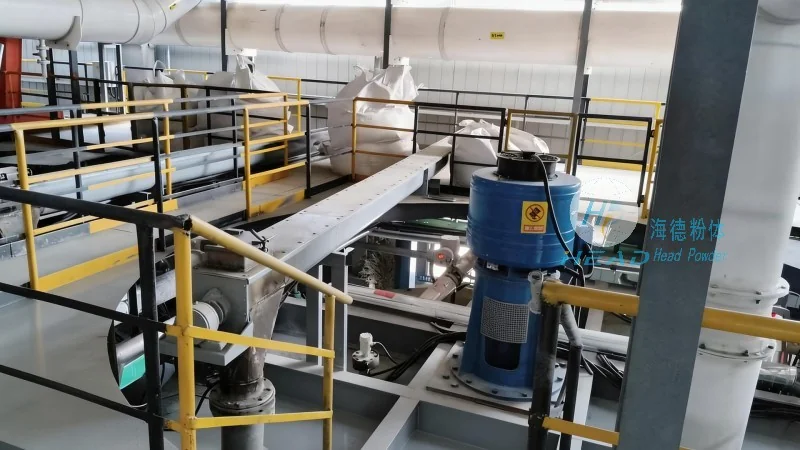
The acrylic esters rubber pneumatic conveying system typically consists of several critical components that work in tandem to achieve efficient material transport. These include the material hopper, which stores the bulk material; the air compressor or vacuum pump, which generates the necessary pressure or vacuum; the conveying line, often made of durable acrylic esters rubber or compatible materials; and the control system, which regulates the flow of material and air. Each component is engineered to withstand the specific challenges of the material being conveyed, ensuring optimal performance and safety. The material hopper is equipped with a feed valve to control the flow rate of the bulk material, while the air compressor or vacuum pump provides the energy needed to move the material through the conveying line. The control system monitors and adjusts the air flow rate and material feed rate to maintain a stable and efficient conveying process.
Working Principle of the System
The operation of an acrylic esters rubber pneumatic conveying system is based on the principle of fluidization and pneumatic transport. When the system is activated, the air compressor or vacuum pump creates a pressure differential between the material hopper and the discharge point. This pressure difference causes the bulk material to be drawn into the conveying line, where it is suspended and transported by the moving air stream. The acrylic esters rubber components, particularly in the conveying line and fittings, play a crucial role in maintaining the integrity of the material and preventing leakage or degradation. The system can operate in either positive pressure or negative pressure modes, depending on the application requirements and material characteristics. In positive pressure systems, the air compressor pressurizes the conveying line, pushing the material forward, while in negative pressure systems, the vacuum pump creates a suction effect, drawing the material into the line.
Operation Process: Step-by-Step Guide
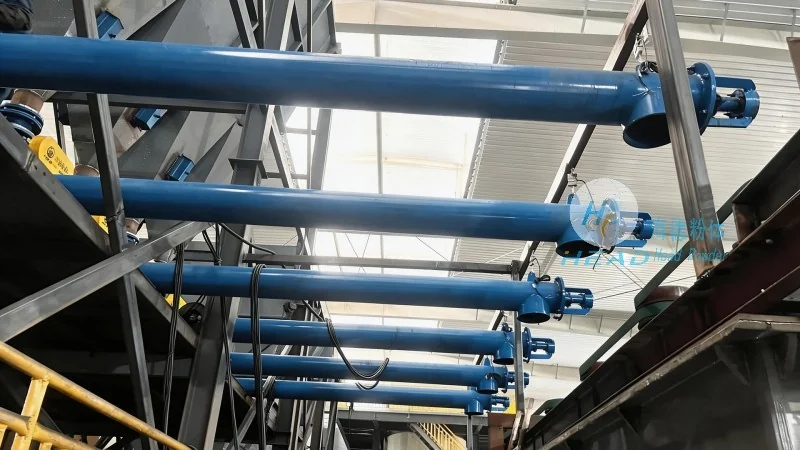
The operation process of the acrylic esters rubber pneumatic conveying system involves several key steps to ensure smooth and efficient material transport. First, the bulk material is loaded into the material hopper, which is equipped with a feed valve to control the flow rate. Next, the air compressor or vacuum pump is started, and the system is pressurized or evacuated as needed. The control system then initiates the conveying process by opening the feed valve and adjusting the air flow rate to match the material's characteristics. As the material is drawn into the conveying line, it is suspended by the air stream and transported to the discharge point. The system continues to operate until the material hopper is empty or the desired amount has been conveyed. Finally, the system is shut down, and the conveying line is cleaned to prevent material buildup and maintain performance. The cleaning process typically involves backflushing the line with air or a cleaning solution to remove any residual material, ensuring the system is ready for the next operation.
Advantages of Acrylic Esters Rubber in Pneumatic Conveying
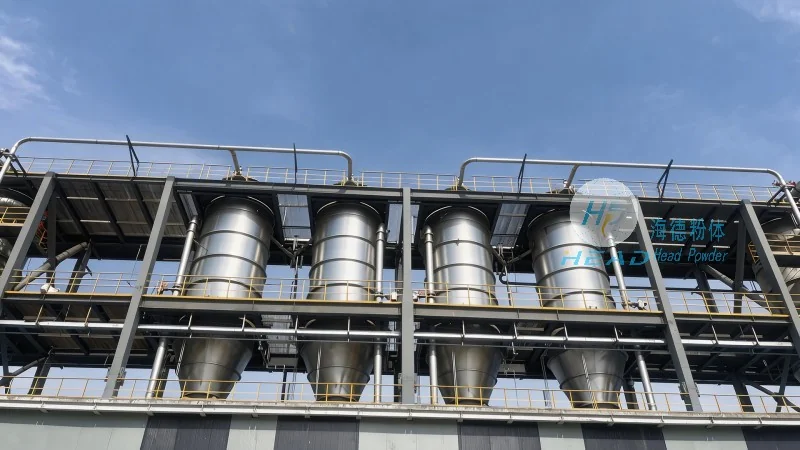
Acrylic esters rubber offers several advantages that make it an ideal material for pneumatic conveying systems. Its excellent chemical resistance allows it to withstand exposure to a wide range of chemicals, including acids, bases, and solvents, which is crucial for applications involving hazardous or corrosive materials. The material also exhibits high temperature resistance, enabling it to operate in environments with temperature fluctuations, from low to high temperatures, without degradation. Additionally, acrylic esters rubber has good mechanical properties, including high tensile strength and abrasion resistance, which helps it withstand the wear and tear from material handling and conveying. These properties ensure that the system maintains its performance over an extended period, reducing maintenance costs and downtime. Furthermore, acrylic esters rubber is non-stick, which helps prevent material buildup on the conveying line and fittings, simplifying the cleaning process and improving overall system efficiency.
Applications and Industries
Acrylic esters rubber pneumatic conveying systems are used in a variety of industries where bulk material transport is essential. In the chemical industry, these systems are used to transport chemicals, powders, and granules, ensuring safe and efficient handling. The pharmaceutical industry utilizes these systems for transporting active pharmaceutical ingredients (APIs) and other powders, maintaining the purity and integrity of the materials. In the food processing industry, acrylic esters rubber systems are used to convey food powders, such as sugar, flour, and spices, while preserving the quality and freshness of the products. The mining industry also benefits from these systems, as they can handle abrasive and heavy materials, such as ores and minerals, with minimal wear and tear on the equipment. Additionally, these systems are used in the agricultural sector to transport fertilizers and other bulk agricultural products, contributing to efficient farming operations.




