Vacuum negative pressure pneumatic conveying systems are advanced industrial equipment designed to transport bulk materials efficiently over long distances or within complex layouts. These systems operate by creating a negative pressure environment in the conveying line, which draws material from the source into the system using air as the medium. The technology is widely used in various industries, including food processing, pharmaceuticals, chemicals, and minerals, due to its ability to handle a wide range of materials with minimal product degradation.
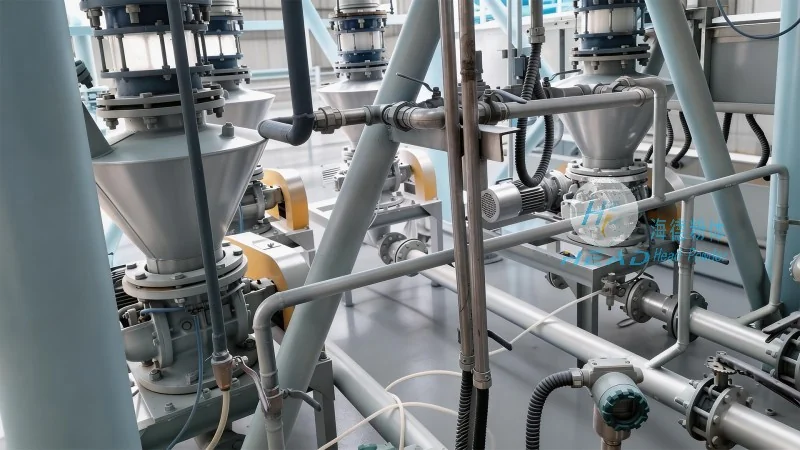
Key Components of the Vacuum Pneumatic Conveying System
The vacuum negative pressure conveying system consists of several critical components that work in tandem to ensure smooth operation. These include the vacuum pump, which generates the negative pressure; the conveying line, which transports the material; the material feed hopper, which holds the bulk material; and the discharge hopper, which collects the material at the destination. Additionally, the system may incorporate filters to remove dust and debris from the air, ensuring compliance with environmental regulations and maintaining product purity.
Working Principle of the Vacuum Conveying Process
The operation of a vacuum negative pressure pneumatic conveying system begins with the material being loaded into the feed hopper. The vacuum pump then starts, creating a low-pressure zone within the conveying line. As the pressure differential is established, air is drawn through the feed hopper, carrying the material particles along with it. The material is then transported through the pipeline to the discharge hopper, where the pressure is higher, causing the material to be released. The air continues to flow back to the vacuum pump, completing the cycle. This continuous process allows for the efficient and controlled movement of bulk materials without the need for mechanical components like belts or buckets.
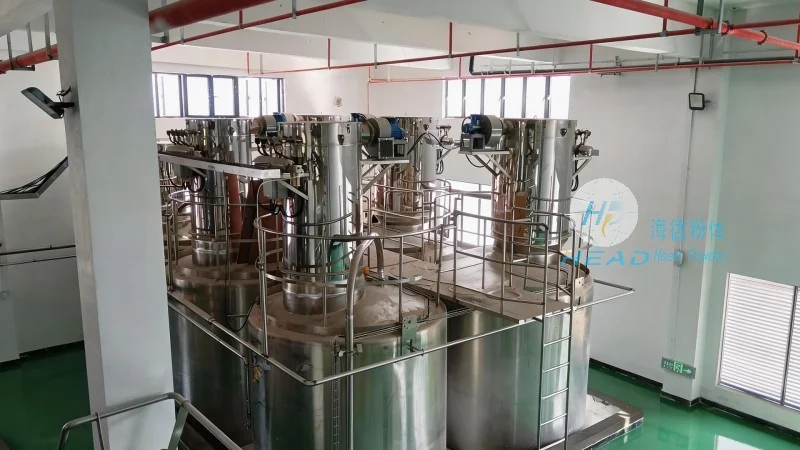
Operation Process Step-by-Step
1. **Material Loading**: The bulk material is placed into the feed hopper, which is equipped with a hopper lid to prevent contamination and maintain material integrity. The hopper is designed to handle various material types, from fine powders to granules, ensuring compatibility with different industrial applications.
2. **Vacuum Pump Activation**: The vacuum pump is activated, which reduces the pressure inside the conveying line to a level below atmospheric pressure. This pressure drop is crucial for creating the suction force needed to draw material from the source.
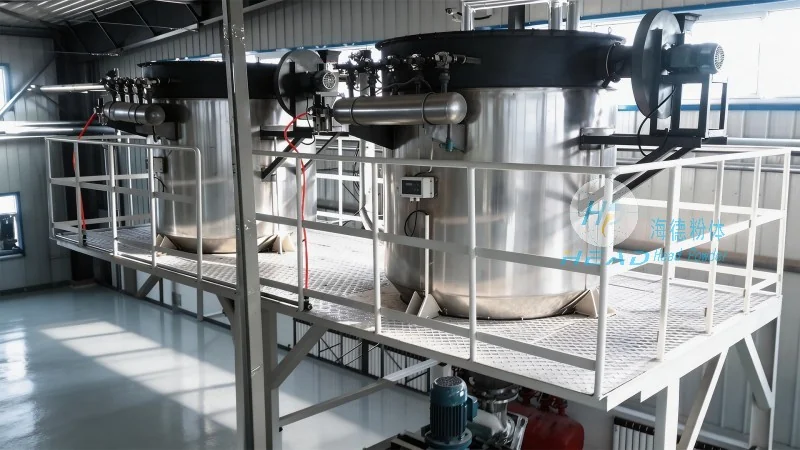
3. **Material Conveyance**: As the vacuum pump operates, air is drawn through the feed hopper, and the material is entrained by the air stream. The material particles are carried along the pipeline to the discharge point. The conveying speed and distance can be adjusted by controlling the vacuum pump's speed and the system's design.
4. **Material Discharge**: At the discharge hopper, the pressure is higher than in the conveying line, causing the material to be released from the air stream. The material falls into the discharge hopper, which is connected to the downstream process or storage facility. The air continues to flow back to the vacuum pump, completing the cycle and preparing for the next batch of material.




