Phosphoric hydrogen calcium, a critical component in the fertilizer industry, demands efficient and reliable transportation solutions. The pneumatic conveying machine, engineered specifically for this application, provides a sophisticated method to move the material from storage to processing areas with minimal human intervention. This article delves into the operation process and working principle of such a system, emphasizing its benefits and technical intricacies.
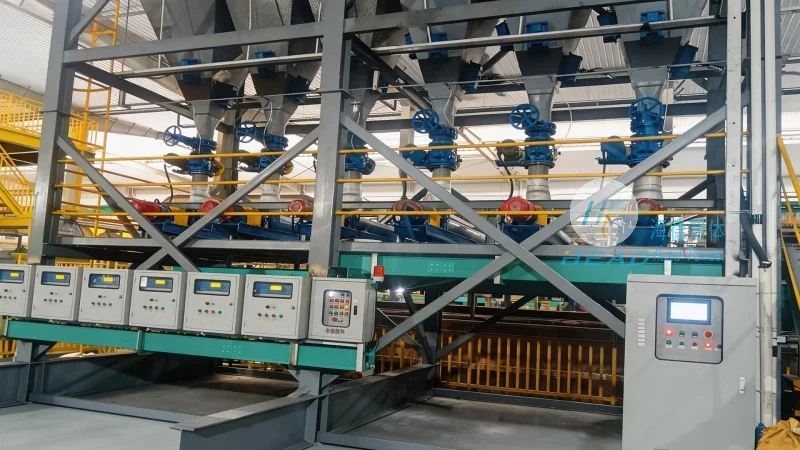
Company Overview: HeadPowder Engineering
HeadPowder, a prominent manufacturer in the material handling equipment sector, specializes in developing and supplying advanced pneumatic conveying solutions. With its headquarters in Shandong, China, the company has established a strong reputation for quality, innovation, and customer-focused service. HeadPowder's commitment to excellence is evident in its state-of-the-art manufacturing facilities and stringent quality control protocols.
Key Components of the Pneumatic Conveying Machine
The phosphoric hydrogen calcium pneumatic conveying machine consists of several essential components that collaborate to ensure seamless operation. These components include the material hopper, which stores the phosphoric hydrogen calcium; the air compressor, responsible for generating the necessary air pressure; the conveying pipeline, which transports the material; and the material receiver, where the material is deposited. Each component plays a crucial role in the overall efficiency and effectiveness of the system.
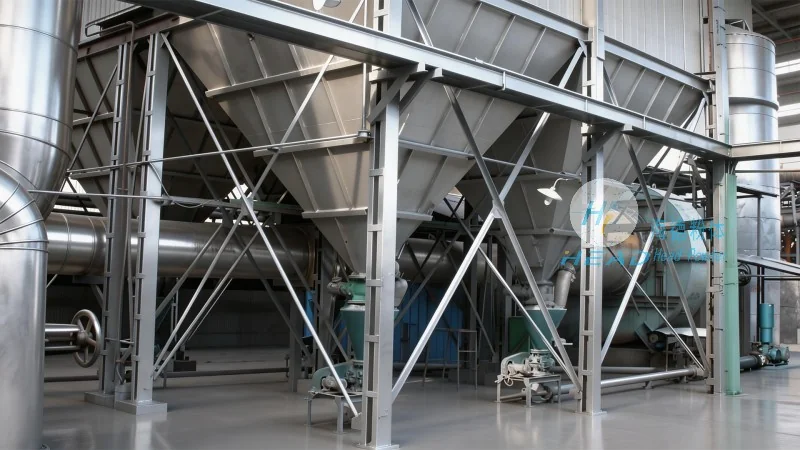
Working Principle of the Pneumatic Conveying Process
The operation of the phosphoric hydrogen calcium pneumatic conveying machine is based on the principle of air flow and pressure. The air compressor creates a high-pressure air stream that is introduced into the conveying pipeline. As the air flows through the line, it entrains the phosphoric hydrogen calcium particles from the hopper, forming a slurry-like mixture. This mixture travels through the pipeline to the receiver, where the material is separated from the air and collected. The process is continuous, allowing for a steady and consistent flow of material without the need for manual handling or intermediate storage.
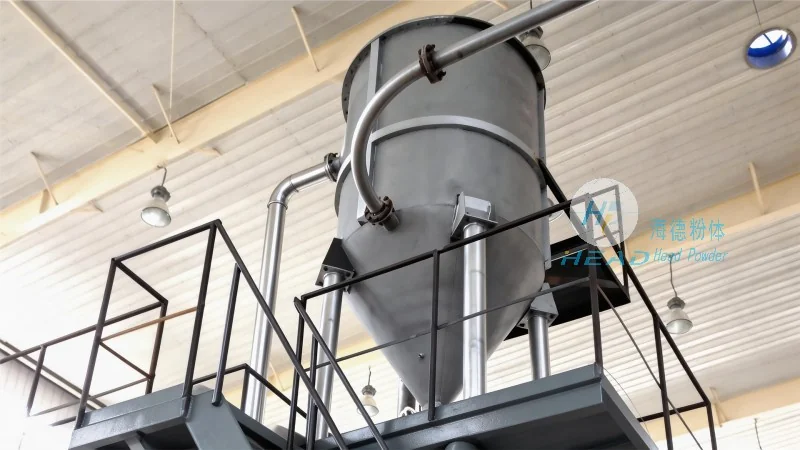
Advantages of Pneumatic Conveying for Phosphoric Hydrogen Calcium
Adopting a pneumatic conveying system for phosphoric hydrogen calcium offers significant advantages. Firstly, it eliminates the need for manual material handling, thereby reducing workplace accidents and improving overall safety. Secondly, the system is highly efficient, with minimal material loss and reduced downtime, leading to increased productivity. Thirdly, it can accommodate a wide range of material characteristics, including varying particle sizes and moisture content, making it versatile for different applications. Additionally, the system is compact and can be integrated seamlessly into existing production lines, offering a cost-effective solution for many industries.
Application and Installation Considerations
The phosphoric hydrogen calcium pneumatic conveying machine is suitable for various applications, including fertilizer production, chemical processing, and food processing. When installing the system, it is crucial to consider factors such as the material's physical properties, the distance to be covered, and the required flow rate. Proper system design and installation ensure optimal performance, longevity, and compliance with safety standards. HeadPowder Engineering, with its expertise in the field, provides comprehensive support from design to installation, ensuring that clients achieve the best possible results.




