Understanding the operation and working principles of polyester fiber pneumatic conveying machines is crucial for industries dealing with high-volume fiber processing. These systems are engineered to efficiently transport polyester fibers through an air-based system, offering advantages such as reduced dust, improved safety, and enhanced material handling capabilities.
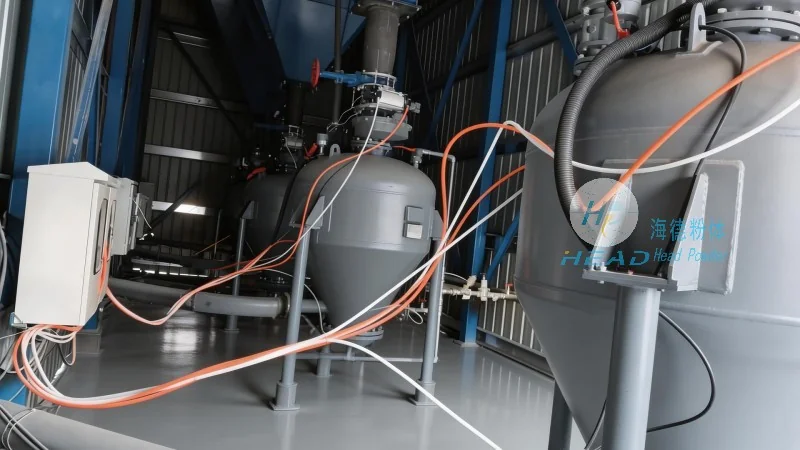
Introduction to Polyester Fiber Pneumatic Conveying Systems
Polyester fiber pneumatic conveying machines are specialized equipment designed to move polyester fibers from one location to another using compressed air or other gas streams. The technology is widely used in textile manufacturing, fiber production, and related industries due to its ability to handle fine, lightweight materials with precision and minimal loss. By leveraging the principles of pneumatic transport, these systems ensure consistent material flow while maintaining product quality and reducing operational downtime.
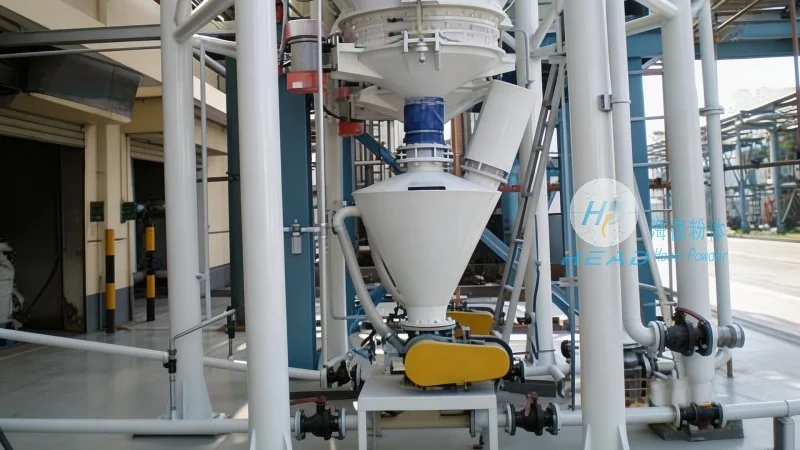
Working Principle of Pneumatic Conveying for Polyester Fibers
The core working principle of polyester fiber pneumatic conveying involves creating a pressure differential between the intake and discharge points. Compressed air is introduced into the system, generating a flow that lifts and propels the polyester fibers through the conveying line. The process typically operates in either pressure or vacuum mode, depending on the application requirements. In pressure systems, air is forced into the material hopper, pushing the fibers through the pipeline to the destination. Vacuum systems, on the other hand, draw air and fibers from the source into the system using a vacuum pump. This method is particularly effective for long-distance or multi-point delivery, as it can handle both horizontal and vertical transport with minimal energy consumption.
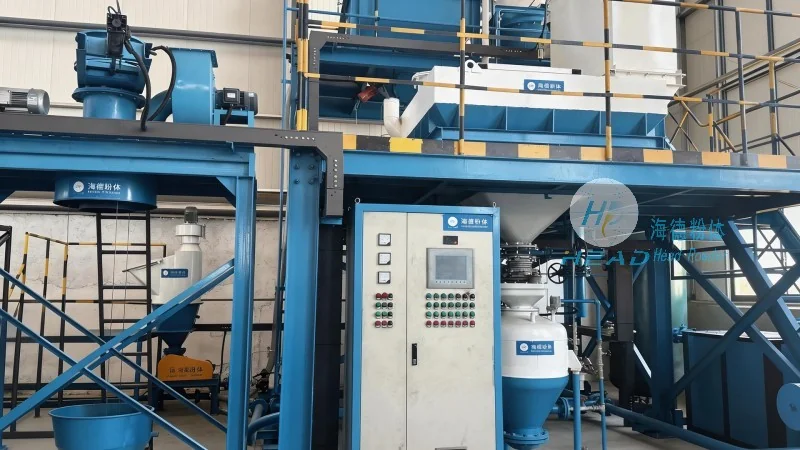
Operation Process: Step-by-Step Overview
The operation of a polyester fiber pneumatic conveying machine follows a systematic process to ensure smooth and efficient material transfer. The key steps include: 1. Material Preparation: Polyester fibers are loaded into the hopper or feeder, where they are pre-processed to remove any debris or moisture. 2. Air Supply Initiation: Compressed air is activated, creating the necessary pressure or vacuum to start the conveying process. 3. Conveying Phase: The fibers are drawn or pushed through the pipeline by the air flow, traveling to the discharge point. 4. Separation and Collection: At the destination, the fibers are separated from the air stream using cyclones, filters, or other separation devices, and collected in the receiving container. 5. System Monitoring and Control: Real-time monitoring of pressure, flow rate, and material level ensures optimal performance and quick response to any deviations. This closed-loop control system enhances reliability and reduces the risk of material blockages or system failures.
Key Components and Their Functions
Several critical components work together to enable the efficient operation of polyester fiber pneumatic conveying machines. These include: 1. Feeder or Hopper: The hopper stores the polyester fibers and feeds them into the conveying line at a controlled rate, preventing overloading and ensuring consistent material flow. 2. Compressor or Vacuum Pump: Provides the necessary air pressure or vacuum to drive the conveying process. 3. Conveying Pipeline: The main pathway for transporting fibers, typically made of durable materials like stainless steel or plastic to resist abrasion and corrosion. 4. Cyclone Separator: A device that separates fibers from the air stream by using centrifugal force, allowing the fibers to be collected while the air is discharged back into the system. 5. Control Panel: Monitors and regulates the system's operation, including air pressure, flow rate, and material levels, ensuring safe and efficient performance. Each component plays a vital role in maintaining the system's efficiency and reliability, contributing to the overall effectiveness of polyester fiber handling.
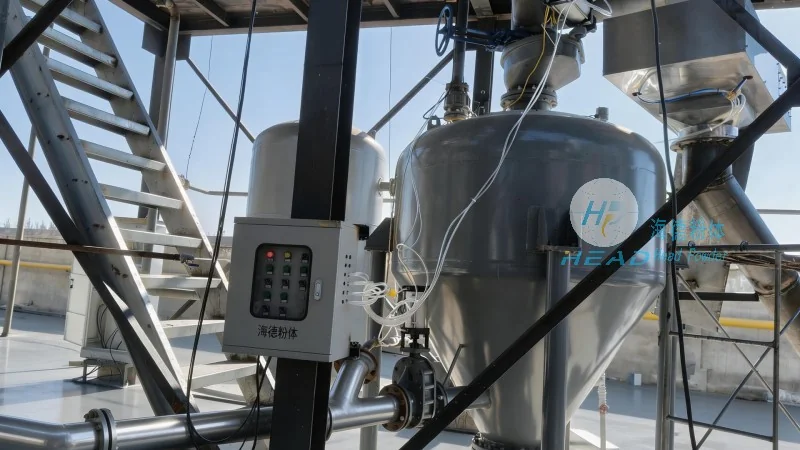
About HeadPowder: A Leading Provider of Pneumatic Conveying Solutions
HeadPowder, or Shandong HeadPowder Engineering Co., Ltd., is a reputable company based in Shandong, China, specializing in the design, manufacturing, and supply of advanced pneumatic conveying systems. With years of experience in the industry, HeadPowder has developed a range of solutions tailored to the unique needs of polyester fiber processing. The company's commitment to quality, innovation, and customer satisfaction has made it a trusted partner for businesses seeking reliable and efficient material handling solutions. HeadPowder's products are engineered to meet international standards and are backed by comprehensive technical support and after-sales service, ensuring long-term performance and customer success.




