HeadPowder, a leading enterprise in the field of powder handling technology, specializes in the design, manufacturing, and installation of advanced pneumatic conveying systems tailored for various industrial applications. This article provides a detailed overview of the operation process and working principle of borax pneumatic conveying systems, highlighting the key components, operational steps, and technical aspects that ensure efficient and reliable material transport. By understanding these elements, users can gain insights into how such systems enhance productivity and safety in borax handling operations.
Introduction to Borax Pneumatic Conveying Systems
Borax, a white crystalline powder widely used in glass manufacturing, detergents, and other industrial processes, requires efficient and safe transportation from storage to processing units. Pneumatic conveying systems offer a solution by utilizing air pressure to move the material through pipelines, eliminating the need for mechanical components that might cause contamination or wear. HeadPowder's borax pneumatic conveying systems are engineered to meet the specific demands of borax handling, ensuring minimal product degradation and optimal system performance.
Key Components of the Borax Pneumatic Conveying System
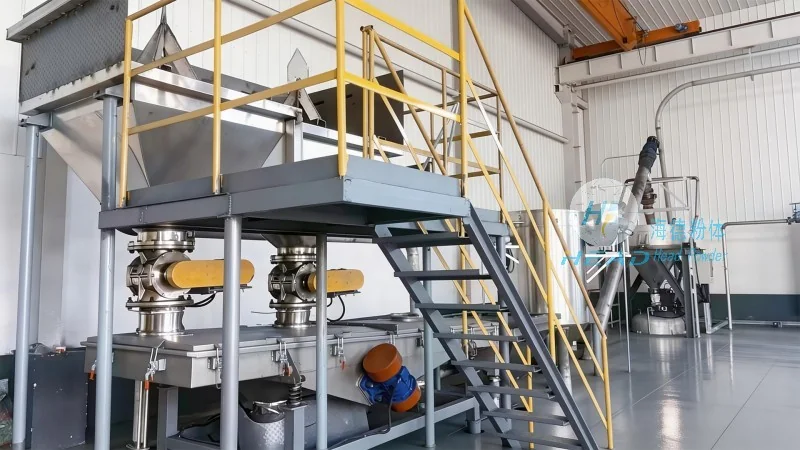
The borax pneumatic conveying system consists of several critical components that work in tandem to achieve effective material transport. These include the material feeder, which introduces borax into the system; the air compressor or blower, which generates the necessary air pressure; the conveying pipeline, which transports the material; the separation and collection equipment, which removes the material from the air stream; and the control system, which monitors and regulates the operation. Each component plays a vital role in maintaining the system's efficiency and reliability.
Working Principle of the Borax Pneumatic Conveying System
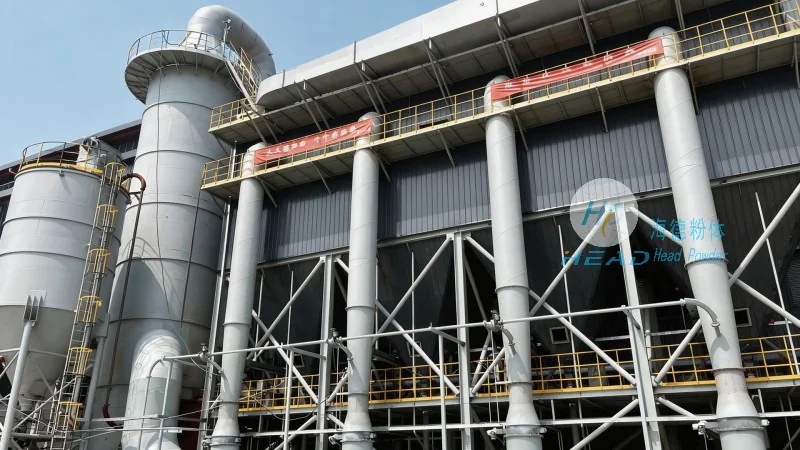
The operation of the borax pneumatic conveying system begins with the material feeder, which feeds the borax into the conveying pipeline. The air compressor then supplies compressed air, which creates a flow within the pipeline. As the air flows, it lifts and transports the borax particles through the system. The material is then separated from the air using a cyclone or other separation device, and the borax is collected in a storage bin or processing unit. The control system continuously monitors the pressure, flow rate, and other parameters to ensure the system operates within optimal conditions. This closed-loop system minimizes dust emissions and ensures a clean and safe working environment.
Operation Process of the Borax Pneumatic Conveying System
The operation process of the borax pneumatic conveying system involves several sequential steps that are crucial for efficient material handling. First, the system is started by activating the air compressor and the material feeder. The feeder then introduces the borax into the pipeline, and the air flow begins to transport the material. The system's control panel displays real-time data, allowing operators to monitor the pressure and flow rates. As the material is conveyed, the separation equipment removes any excess air and collects the borax. The system continues to operate until the desired amount of borax is transported, at which point the feeder and compressor are shut down. This process is repeated as needed to maintain a steady supply of borax to the processing unit.
Advantages of Borax Pneumatic Conveying Systems
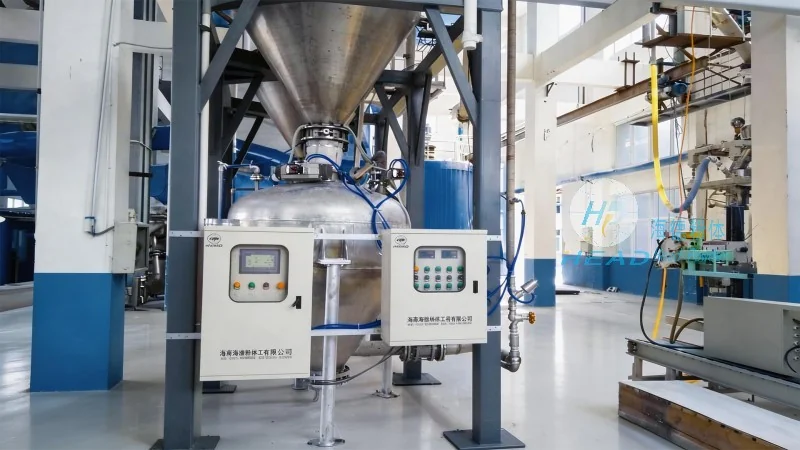
Borax pneumatic conveying systems offer several advantages over traditional mechanical conveying methods. These include reduced labor costs, as the system operates automatically with minimal human intervention; improved product quality, as the material is not exposed to mechanical wear or contamination; and enhanced safety, as the system is enclosed and reduces dust emissions. Additionally, the system is flexible and can be easily scaled to accommodate varying production demands. HeadPowder's borax pneumatic conveying systems are designed to maximize these benefits, providing a reliable and efficient solution for borax handling applications.
Maintenance and Troubleshooting of the Borax Pneumatic Conveying System
To ensure the long-term performance and reliability of the borax pneumatic conveying system, regular maintenance is essential. This includes checking the air compressor for proper operation, cleaning the conveying pipeline to prevent blockages, and inspecting the separation equipment for any signs of wear. If the system experiences issues such as reduced flow or increased pressure, operators should check the material feeder for blockages, verify the air compressor's performance, and inspect the control system for any malfunctions. By following these maintenance procedures, users can minimize downtime and ensure the system operates at peak efficiency.




