Shandong HeadPowder Engineering Co., Ltd., commonly known as headpowder, specializes in the design, manufacturing, and implementation of advanced pneumatic conveying systems. With a focus on efficient material handling solutions, the company provides comprehensive equipment tailored for transporting yellow sand and similar bulk materials. This article delves into the operational process and underlying principles of such systems, highlighting key components and their functions.
Working Principle of Pneumatic Conveying Systems
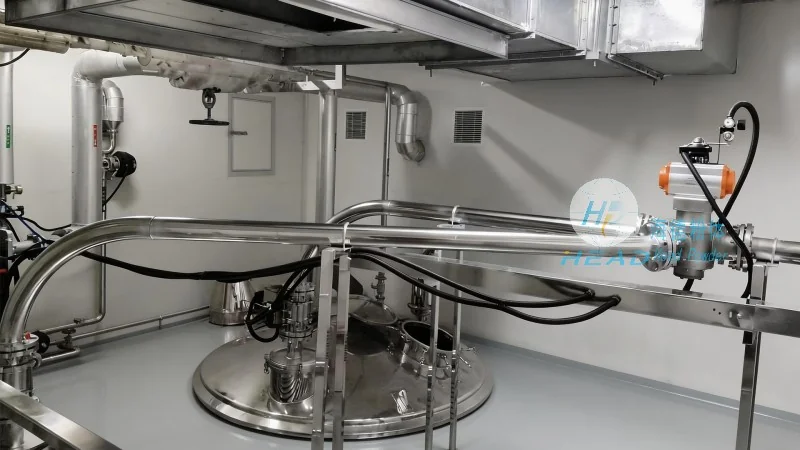
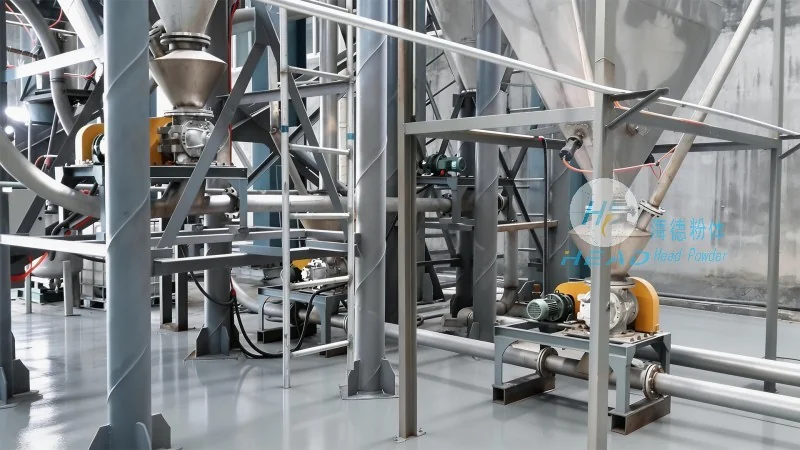
The core of a pneumatic conveying system lies in its ability to transport bulk materials through a pipeline using compressed air. In the case of yellow sand, the system typically operates on the principle of air suspension, where the material is entrained by the airflow and carried through the pipeline. The process involves several critical components, including a material hopper, a rotary airlock valve, a conveying pipeline, and a receiver or discharge unit. The material is first fed into the hopper, where it is then drawn into the pipeline by the action of the rotary airlock valve, which controls the flow rate and prevents backflow. Compressed air is then introduced into the pipeline, creating a high-velocity stream that lifts and transports the yellow sand particles. The air and material mixture travels through the pipeline to the receiving end, where a separator or cyclone separates the air from the material, allowing the yellow sand to be discharged into the target container. This method eliminates the need for mechanical components like belts or buckets, reducing maintenance and increasing operational efficiency.
Operation Process of the System
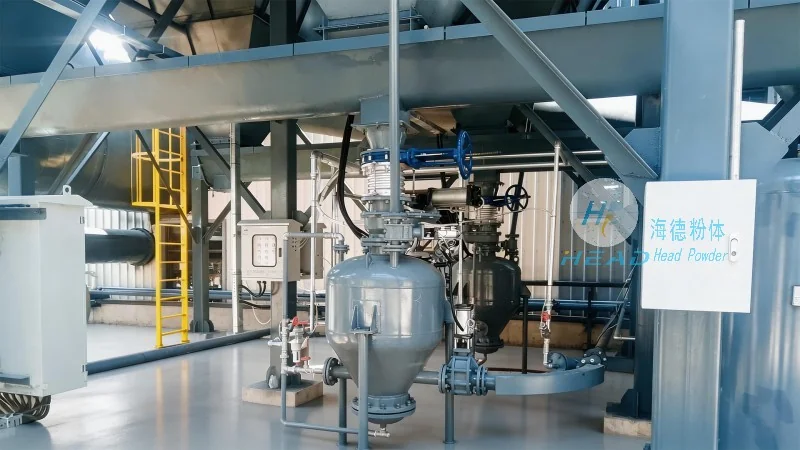
The operation of a yellow sand pneumatic conveying system follows a systematic sequence to ensure smooth and continuous material transport. The process begins with the loading of yellow sand into the material hopper. The hopper is equipped with a level indicator to monitor the material volume, ensuring that the system operates within optimal conditions. Once the hopper is filled, the rotary airlock valve at the inlet opens, allowing the yellow sand to be drawn into the conveying pipeline. Simultaneously, the compressed air system is activated, supplying the necessary air pressure to generate the conveying airflow. The air pressure is carefully controlled to maintain a consistent velocity, which is crucial for preventing material deposition or blockages in the pipeline. As the yellow sand is transported through the pipeline, the system monitors the flow rate and pressure to adjust the air supply as needed. At the receiving end, the separator or cyclone efficiently separates the air from the material, ensuring that the material is discharged cleanly without any air contamination. The discharged yellow sand is then collected in the receiving container, completing the transport cycle. The system can operate continuously, with the hopper refilling and the airlock valve controlling the material flow to maintain a steady output. This continuous operation minimizes downtime and maximizes productivity, making it an ideal solution for industrial applications requiring reliable bulk material handling.
Key Components and Their Functions
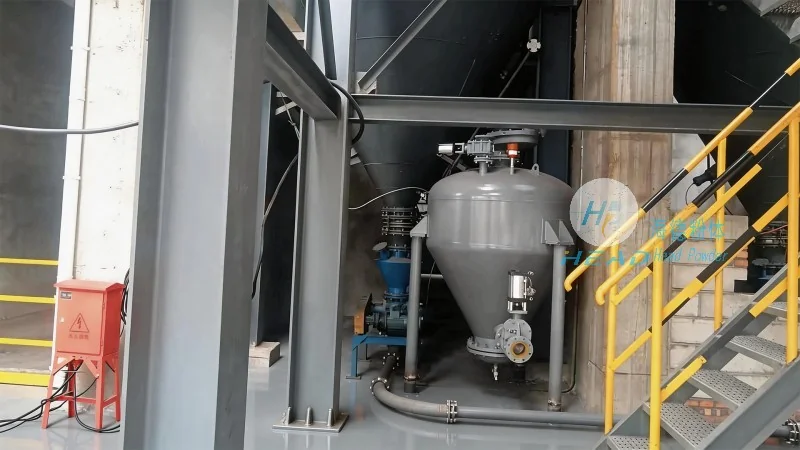
Several key components are integral to the efficient operation of a yellow sand pneumatic conveying system. The material hopper serves as the storage and feeding unit, providing a consistent supply of yellow sand to the system. It is typically designed with a sloped bottom to facilitate material flow and equipped with a level sensor to monitor the material level. The rotary airlock valve, located at the inlet of the conveying pipeline, acts as a control valve, regulating the flow rate of yellow sand into the pipeline and preventing backflow of air or material. This component is critical for maintaining system pressure and preventing material buildup. The conveying pipeline is made of durable materials, such as stainless steel or PVC, to withstand the abrasive nature of yellow sand and the high-pressure air flow. The pipeline is designed with smooth bends and minimal obstructions to ensure consistent airflow and prevent blockages. At the receiving end, the separator or cyclone is responsible for separating the air from the material. This component uses centrifugal force to separate the yellow sand particles from the air stream, allowing the material to be discharged into the receiving container while the air is either recirculated or vented. The compressed air system, including the air compressor and pressure regulator, provides the necessary air pressure to drive the conveying process. The air compressor generates high-pressure air, which is then regulated to the required pressure level for optimal system performance. The pressure regulator ensures that the air pressure remains stable, preventing fluctuations that could affect the material transport efficiency. Additionally, the system may include a filter or air dryer to remove moisture and contaminants from the air, ensuring that the conveying process is clean and efficient.




