Ceramic powder conveying is a critical process in the manufacturing and processing of ceramic materials. The efficient and reliable transport of ceramic powders is essential for maintaining product quality, ensuring consistent production rates, and minimizing operational downtime. This article explores the operation process and working principles of ceramic powder conveying systems, highlighting the key components, mechanisms, and best practices employed by industry leaders such as Shandong HeadPowder Engineering Co., Ltd. (headpowder).
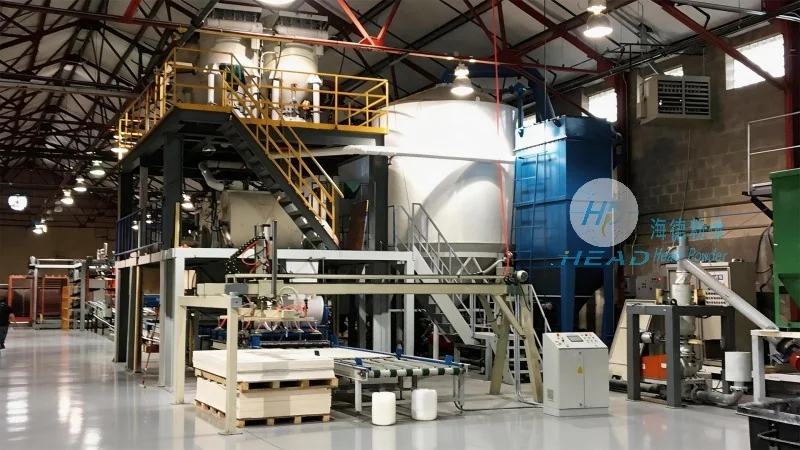
Key Components of Ceramic Powder Conveying Systems
The core components of a ceramic powder conveying system typically include a hopper or storage vessel, a conveying mechanism (e.g., pneumatic or mechanical), a control system, and a discharge or processing unit. The hopper is designed to store and feed the ceramic powder into the conveying system, ensuring a steady supply of material. The conveying mechanism, which may utilize air pressure (pneumatic) or mechanical force (e.g., screw, belt, or vacuum), is responsible for transporting the powder from the hopper to the processing equipment. The control system monitors and regulates the flow rate, pressure, and other parameters to maintain optimal performance. Finally, the discharge unit delivers the powder to the next stage of production, such as mixing, molding, or sintering.
Working Principle of Pneumatic Conveying for Ceramic Powders
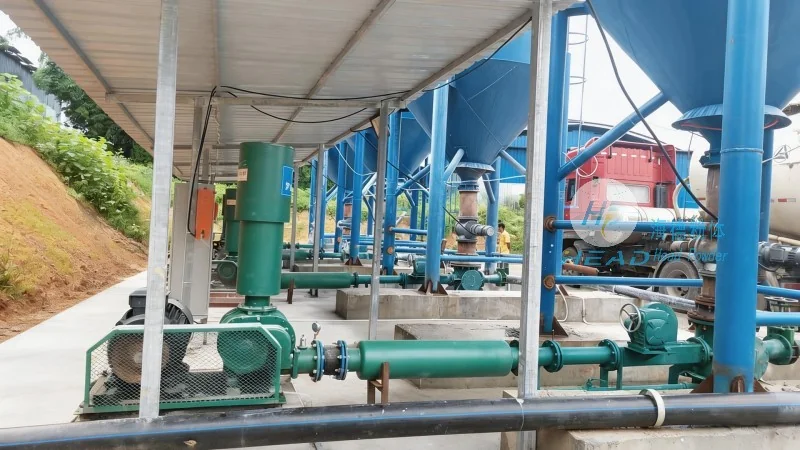
Pneumatic conveying is a widely used method for transporting ceramic powders due to its ability to handle fine, abrasive, or hygroscopic materials without causing contamination or degradation. The process involves creating a pressure differential between the hopper and the discharge point, using compressed air to move the powder particles through a pipeline. In a typical pneumatic conveying system, the ceramic powder is introduced into the hopper, where it is drawn into the conveying line by the suction or pressure created by the air flow. The air and powder mixture travels through the pipeline, with the air velocity maintained above the minimum fluidization velocity to keep the powder suspended and prevent clogging. The discharge unit then separates the powder from the air, often using a cyclone or filter, and delivers the powder to the processing equipment. This method is particularly effective for long-distance or high-volume conveying, as it can handle large quantities of material while minimizing the risk of particle degradation.
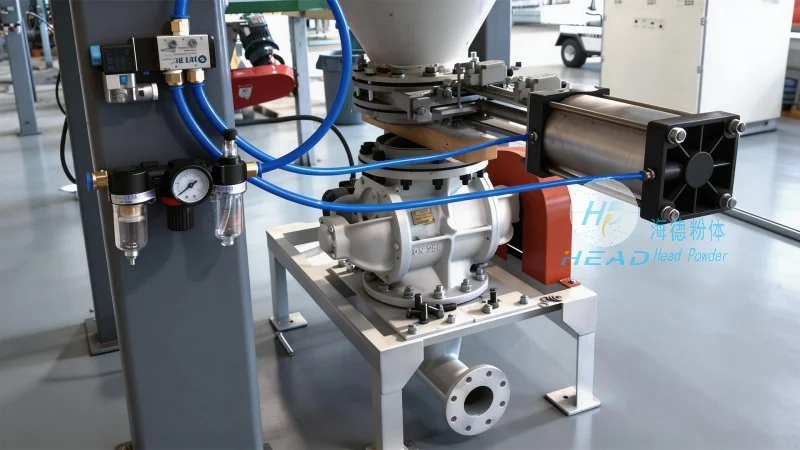
Mechanical Conveying Systems for Ceramic Powders
For applications requiring lower air velocities or the transport of larger particles, mechanical conveying systems are often employed. These systems utilize mechanical components such as screws, belts, or vibrating conveyors to move the ceramic powder. Screw conveyors, for example, consist of a rotating screw within a trough, which pushes the powder forward. The speed and pitch of the screw can be adjusted to control the flow rate and prevent material buildup. Belt conveyors use a moving belt to transport the powder, with the belt speed and tension regulated to maintain consistent material movement. Vibrating conveyors utilize vibrations to move the powder along a trough, which is particularly useful for handling sticky or cohesive materials. Mechanical conveying systems are generally more cost-effective for short-distance or low-volume applications and are less susceptible to air quality issues compared to pneumatic systems.
Operational Considerations and Best Practices
Effective operation of ceramic powder conveying systems requires careful consideration of several factors to ensure optimal performance and longevity. First, the material properties of the ceramic powder must be considered, including particle size, density, and moisture content. These factors influence the choice of conveying method and system design. For example, fine powders with high moisture content may require a pneumatic system with a drying step to prevent clogging or degradation. Second, the system must be designed to minimize particle degradation, which can occur due to high shear forces or excessive air velocities. Proper selection of conveying components, such as smooth pipelines and low-friction materials, can help reduce degradation. Third, regular maintenance is essential to prevent system failures and ensure consistent performance. This includes cleaning the hopper and pipeline to remove accumulated powder, inspecting the conveying mechanism for wear, and checking the control system for proper operation. By following these best practices, manufacturers can maximize the efficiency and reliability of their ceramic powder conveying systems.
Conclusion
Ceramic powder conveying is a complex but essential process in the ceramic industry, requiring careful design and operation to ensure product quality and operational efficiency. The choice of conveying method—whether pneumatic or mechanical—depends on the specific application and material properties. Industry leaders such as Shandong HeadPowder Engineering Co., Ltd. (headpowder) specialize in providing customized conveying solutions tailored to the unique needs of their clients. By understanding the operation process and working principles of ceramic powder conveying systems, manufacturers can optimize their production processes, reduce costs, and enhance overall performance. As the demand for high-quality ceramic products continues to grow, the importance of reliable and efficient powder conveying will only increase, making it a critical component of modern ceramic manufacturing.




