HeadPowder, a leading provider in the field of powder handling technology, specializes in the efficient and reliable transport of cocoa powder. This article delves into the operation process and working principles of cocoa powder conveying systems, highlighting the technical aspects and operational efficiency that define the industry standard for such applications.
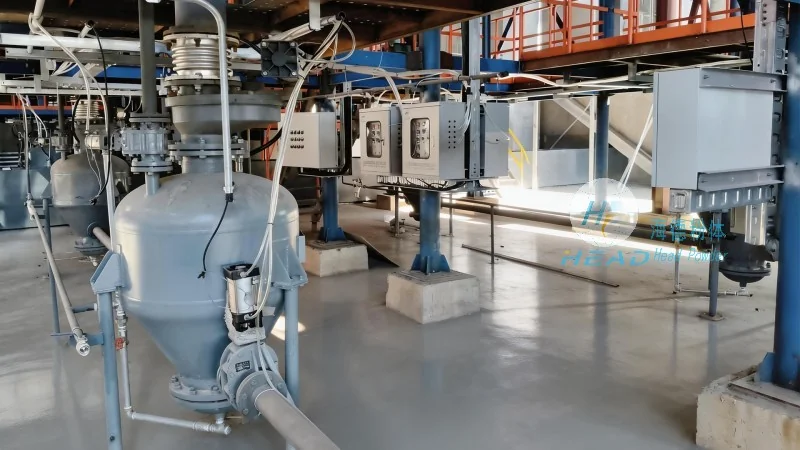
At Shandong HeadPowder Engineering Co., Ltd., based in Shandong, China, we understand the critical importance of maintaining the quality and integrity of cocoa powder during the conveying process. Our systems are designed to handle the unique properties of cocoa powder, ensuring minimal degradation and consistent performance. The following sections outline the key components and operational steps involved in the cocoa powder conveying process.
Key Components of Cocoa Powder Conveying Systems
The foundation of any effective cocoa powder conveying system lies in its components. These typically include a hopper for material storage, a conveyor mechanism (such as a screw conveyor or pneumatic system), and control systems for regulating flow and pressure. The hopper is designed to accommodate the bulk storage of cocoa powder, ensuring a steady feed to the conveyor. The conveyor mechanism is engineered to handle the fine, abrasive nature of cocoa powder, minimizing particle breakage and maintaining product quality. Control systems, often integrated with sensors and automation, monitor parameters like pressure, flow rate, and temperature to optimize performance and prevent system failures.
Operation Process of Cocoa Powder Conveying
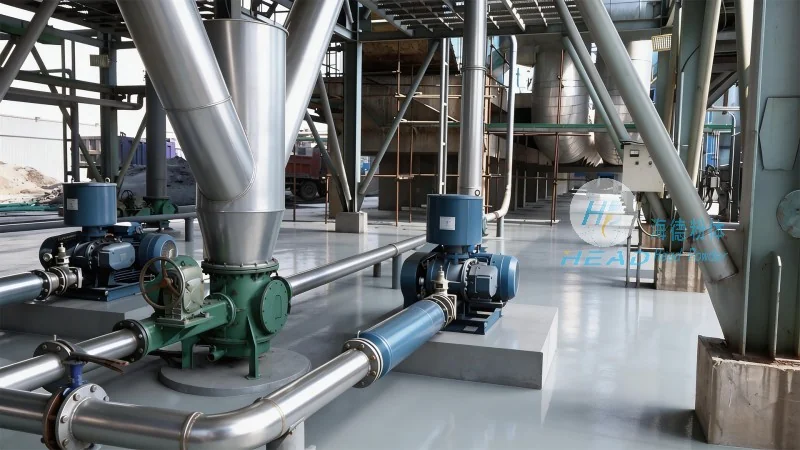
The operation process of cocoa powder conveying begins with the loading of cocoa powder into the hopper. The powder is then drawn into the conveyor system, which transports it to the desired destination, such as a processing unit or storage silo. The process is typically automated, with sensors detecting the level of material in the hopper and adjusting the conveyor speed accordingly. This ensures a consistent flow rate, preventing overloading or underflow. The conveying system is designed to handle varying capacities, from small-scale operations to large industrial applications, making it versatile for different production needs.
Working Principle of Cocoa Powder Conveying
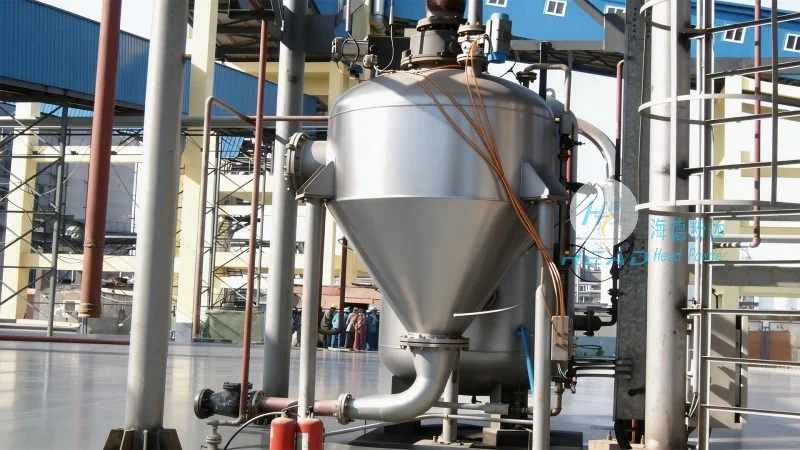
The working principle of cocoa powder conveying systems can vary based on the technology used. Common methods include mechanical conveyors (like screw conveyors) and pneumatic conveying systems. Mechanical conveyors utilize rotating screws or belts to move the powder through a tube or trough. This method is suitable for short to medium distances and is effective for handling dry, free-flowing powders like cocoa. Pneumatic conveying systems, on the other hand, use air pressure to transport the powder through a pipeline. This method is ideal for longer distances and can handle more complex material handling requirements, such as mixing or blending different powders.
Ensuring Efficiency and Quality in Cocoa Powder Conveying
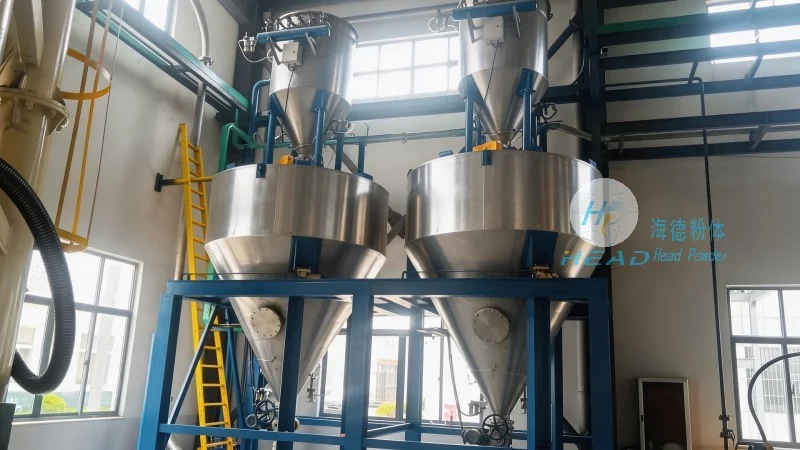
Efficiency and quality are paramount in cocoa powder conveying. Our systems at HeadPowder are engineered to minimize product degradation, maintain consistent moisture levels, and ensure a smooth flow. Regular maintenance and monitoring are essential to keep the system operating at peak performance. The use of high-quality materials and robust construction ensures durability and long-term reliability. Additionally, our systems are designed with safety features to prevent dust explosions and other hazards, adhering to industry standards and regulations.
Conclusion
Understanding the operation process and working principles of cocoa powder conveying is crucial for optimizing production efficiency and maintaining product quality. At Shandong HeadPowder Engineering Co., Ltd., we leverage advanced technology and expertise to provide tailored solutions for cocoa powder handling. Our systems are designed to meet the specific needs of our clients, ensuring reliable and efficient transport of cocoa powder from storage to processing. With a focus on quality and performance, HeadPowder remains a trusted partner in the powder handling industry.




