Shandong HeadPowder Engineering Co., Ltd. specializes in the design, manufacturing, and installation of advanced material handling systems tailored for the transportation and processing of magnesium powder. This article provides a detailed overview of the operation process and working principle of such equipment, highlighting key components, operational sequences, and the technical aspects that ensure efficient and safe handling of magnesium powder.
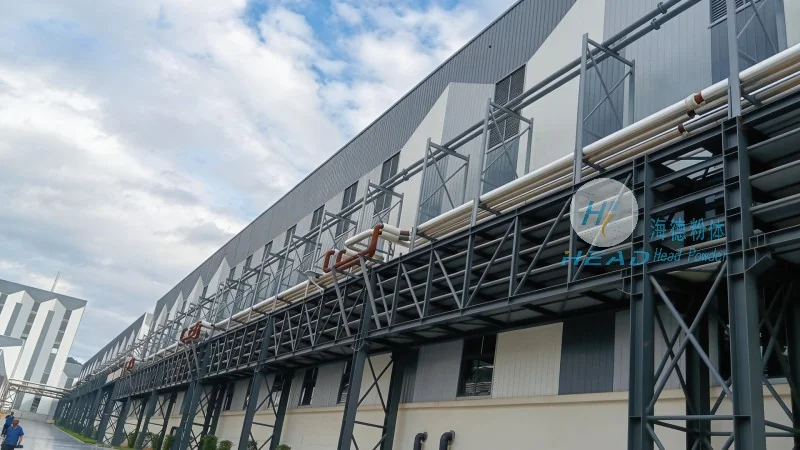
Key Components of the Magnesium Powder Conveying System
The magnesium powder material handling system typically consists of several critical components that work in concert to achieve seamless material transport. These include feed hoppers, conveyor belts or screw conveyors, dust collection systems, and control panels. Each component plays a vital role in the overall functionality of the system, ensuring that magnesium powder is moved from its source to the desired destination with minimal loss and maximum efficiency.
Operation Process of the Magnesium Powder Handling Equipment
The operation process of the magnesium powder material handling equipment begins with the loading of magnesium powder into the feed hopper. The hopper is designed to store the powder and regulate its flow into the conveyor system. Once the powder is fed into the conveyor, it is transported to the processing or storage area. The conveyor system may vary in type, such as a belt conveyor or a screw conveyor, depending on the specific requirements of the application. For magnesium powder, which is often fine and prone to dust generation, the conveyor design incorporates features to minimize dust dispersion and maintain a controlled environment.
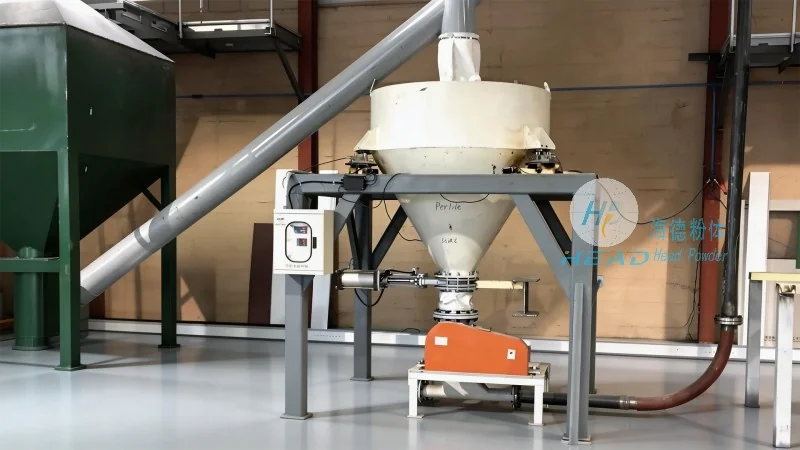
Working Principle of the Magnesium Powder Conveying System
The working principle of the magnesium powder conveying system is based on mechanical energy to move the powder through the system. The feed hopper uses gravity or a feeding mechanism to transfer the powder into the conveyor. The conveyor then uses rotational motion (e.g., belt movement or screw rotation) to transport the powder along its path. Dust collection systems are integrated into the design to capture any airborne particles, ensuring compliance with safety and environmental regulations. Control panels allow operators to monitor and adjust the system parameters, such as conveyor speed and feed rate, to optimize performance and maintain consistent material flow.
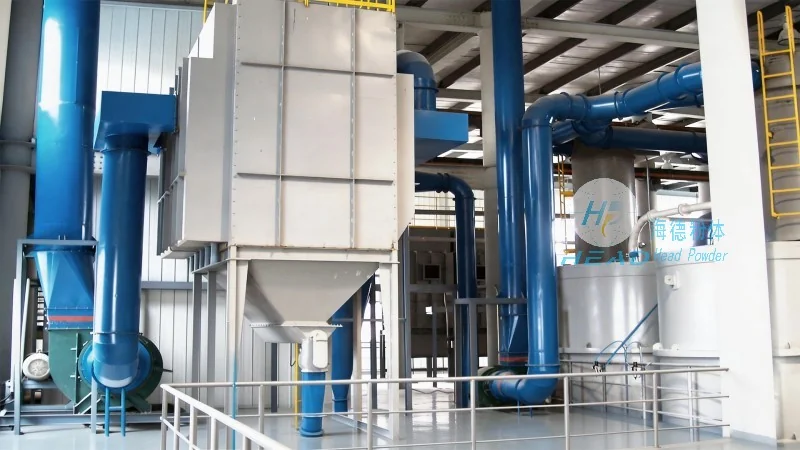
Advantages of the Magnesium Powder Material Handling Equipment
Implementing a specialized magnesium powder material handling system offers several advantages for industrial applications. Firstly, it enhances operational efficiency by automating the material transport process, reducing manual labor and minimizing the risk of human error. Secondly, the system ensures consistent and uniform material flow, which is crucial for downstream processes like compounding or mixing. Additionally, the integrated dust collection and control features improve workplace safety by reducing exposure to fine magnesium powder particles, which can pose health risks if inhaled. The equipment also contributes to cost savings by minimizing material loss and reducing downtime due to manual handling or equipment malfunctions.
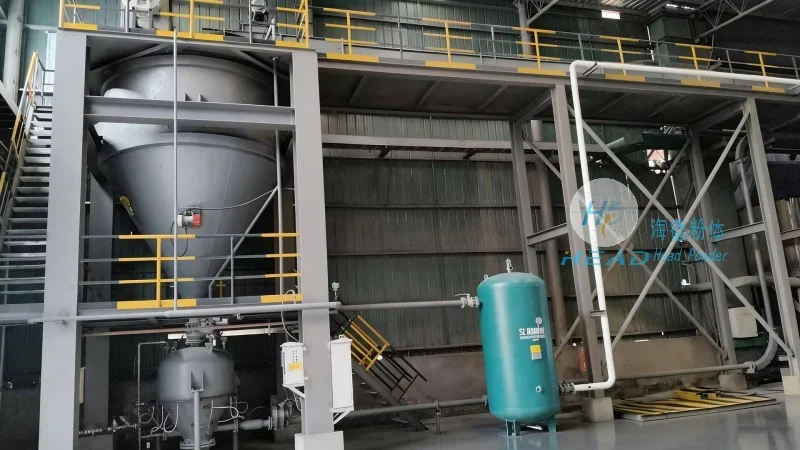
Application Scenarios and Customization Options
Shandong HeadPowder Engineering Co., Ltd. offers customized magnesium powder material handling solutions to meet the diverse needs of various industries. These systems are commonly used in the production of magnesium alloys, chemical manufacturing, and pharmaceutical applications where precise control over powder handling is essential. The company can tailor the system design based on factors such as the powder's particle size, moisture content, and the required throughput. For example, in high-volume production lines, a combination of belt conveyors and screw conveyors may be used to handle large quantities of magnesium powder efficiently. In contrast, for applications requiring more precise control, such as in pharmaceutical manufacturing, a pneumatic conveying system with fine particle control may be employed.
Maintenance and Safety Considerations
Proper maintenance and adherence to safety protocols are critical for the reliable operation of magnesium powder material handling equipment. Regular maintenance includes inspecting conveyor belts for wear and tear, cleaning dust collection systems to prevent clogging, and checking motor and drive components for proper functionality. Safety considerations are paramount due to the flammability and potential health hazards of magnesium powder. The system is equipped with safety features such as explosion-proof designs, dust explosion suppression systems, and emergency stop buttons. Operators must be trained on proper handling procedures, including the use of personal protective equipment (PPE) like respirators and fire-resistant clothing, to mitigate risks associated with handling magnesium powder.




