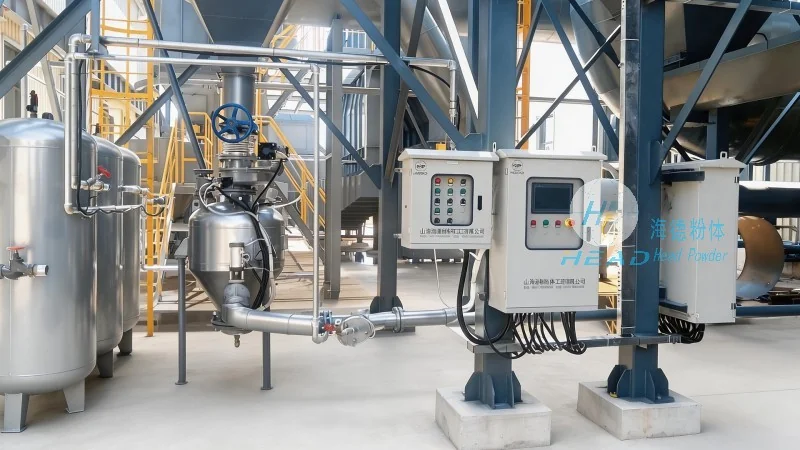
Continuous material loading conveyors are industrial systems engineered to efficiently transport bulk materials from a source to a processing or packaging station. These systems are critical in various manufacturing and processing industries, including food processing, pharmaceuticals, and chemical production, where consistent and reliable material handling is essential for operational efficiency and product quality.
Understanding the Role of Continuous Material Loading Conveyors
In manufacturing environments, the seamless transfer of raw materials or intermediate products is a cornerstone of production workflow. A continuous material loading conveyor addresses this need by providing a steady, unbroken flow of material, reducing downtime and labor costs associated with manual handling. The system typically integrates with upstream and downstream equipment, forming an automated material handling network that enhances overall production throughput.
Key Design Principles of Continuous Material Loading Conveyors
The design of a continuous material loading conveyor is governed by several fundamental principles aimed at optimizing performance, reliability, and adaptability. These principles include:
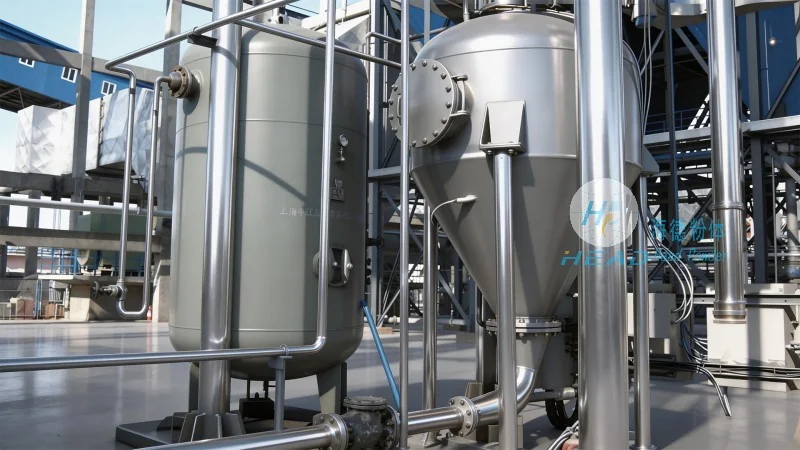
- Material Compatibility: The conveyor's construction materials (e.g., stainless steel, plastic, or specialized coatings) must be compatible with the conveyed material to prevent contamination and ensure durability. For instance, in food processing, stainless steel is preferred to maintain hygiene standards.
- Load Capacity and Speed: The system is designed to handle specific load capacities and operate at speeds that match the production line's requirements. This involves selecting appropriate conveyor belt widths, belt speeds, and drive mechanisms to accommodate the volume and weight of the materials being transported.
- Integration with Processing Equipment: The conveyor is engineered to interface seamlessly with upstream feeding mechanisms (such as hoppers or silos) and downstream processing or packaging equipment. This integration ensures a smooth transition of material without interruptions, which is crucial for maintaining production continuity.
- Space Efficiency and Layout Flexibility: Modern designs often prioritize space efficiency, allowing the conveyor to be configured in various layouts (e.g., straight, curved, or inclined) to fit within existing facility constraints. This flexibility enables the system to adapt to different plant layouts and production needs.
Core Components and Operational Mechanisms
A continuous material loading conveyor typically consists of several key components that work in tandem to achieve efficient material transport. The primary components include:
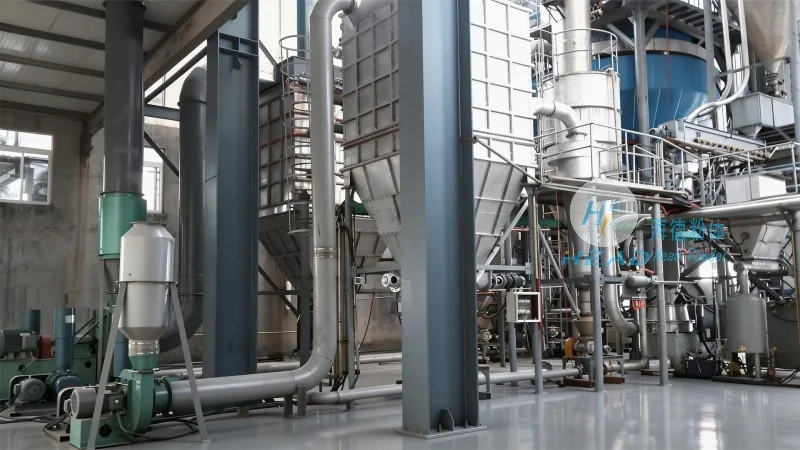
- Conveyor Belt or Chain: This is the primary transport medium, responsible for moving the material from the loading point to the discharge point. The choice of belt material (e.g., rubber, PVC, or metal) depends on the material's characteristics and the operating environment.
- Drive System: The drive system provides the power to move the conveyor belt or chain. It may include electric motors, gearboxes, and pulleys, which are selected based on the required speed, load, and power output.
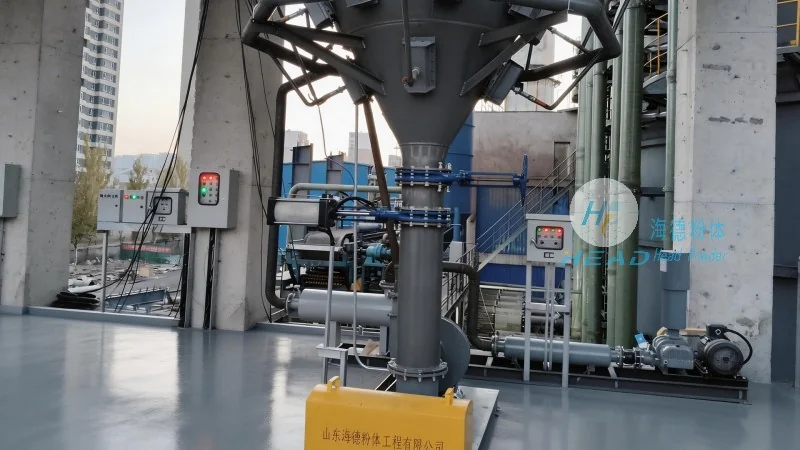
- Loading and Discharge Mechanisms: These components facilitate the entry and exit of material. Loading mechanisms may include hoppers, feeders, or vibrating trays that ensure a consistent flow of material onto the conveyor. Discharge mechanisms, such as chutes or elevators, direct the material to the next processing stage.
- Control and Monitoring Systems: Advanced control systems, often integrated with sensors and feedback mechanisms, monitor the conveyor's operation, detect faults, and adjust parameters as needed. This ensures optimal performance and early detection of potential issues.
Applications and Benefits in Industrial Settings
Continuous material loading conveyors are widely used across various industries due to their ability to enhance operational efficiency and product quality. In the food industry, for example, these systems are used to transport ingredients like flour, sugar, or spices to mixing or packaging lines, ensuring consistent ingredient flow and reducing the risk of contamination. In the pharmaceutical sector, they are employed to move raw materials or finished products between processing and packaging stages, maintaining strict hygiene and quality control standards.
The benefits of implementing a continuous material loading conveyor extend beyond efficiency. By automating material handling, companies can reduce labor costs, minimize human error, and improve overall production throughput. Additionally, the consistent flow of material helps maintain product quality by preventing material degradation or contamination during transport.
About Shandong HeadPowder Engineering Co., Ltd.
Shandong HeadPowder Engineering Co., Ltd., commonly known as headpowder, is a leading manufacturer of industrial material handling systems. With a focus on innovation and quality, the company specializes in designing and manufacturing continuous material loading conveyors tailored to the specific needs of various industries. Headpowder's expertise lies in creating customized solutions that optimize material flow, enhance production efficiency, and ensure compliance with industry standards. The company's facilities are located in Shandong, China, where it leverages advanced manufacturing technologies and a skilled workforce to deliver reliable and durable conveyor systems to global clients.




