Continuous material feeding and conveying systems are critical components in modern industrial operations, designed to efficiently transport bulk materials from one point to another with minimal human intervention. Understanding the operation process and working principle of such equipment is essential for optimizing production lines and ensuring consistent material flow. This article provides a detailed overview of the key aspects of these systems, focusing on the technical and operational elements that contribute to their effectiveness.
Company Introduction
Headpowder, the brand under Shandong HeadPowder Engineering Co., Ltd., specializes in the design, manufacturing, and integration of advanced material handling solutions. With a strong presence in China, particularly in Shandong, the company leverages decades of industry experience to deliver high-performance equipment tailored to diverse industrial needs. Shandong HeadPowder Engineering Co., Ltd. is committed to innovation and quality, ensuring that their products meet the rigorous standards of global manufacturing sectors.
The Operation Process of Continuous Material Feeding and Conveying Systems
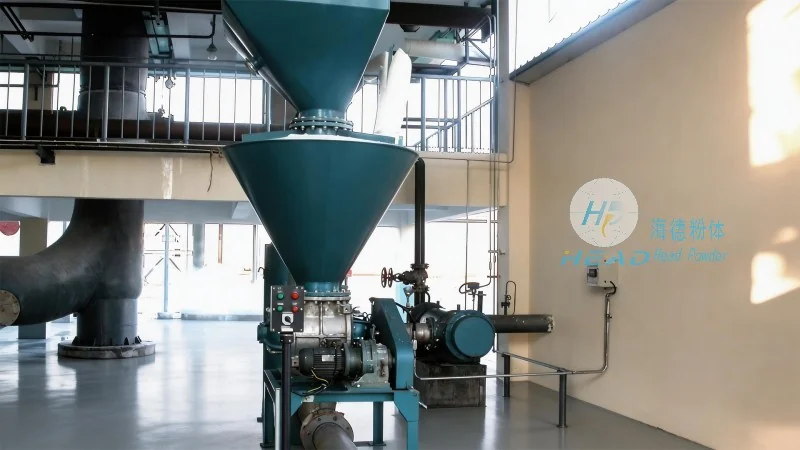
The operation process of a continuous material feeding and conveying system typically involves several sequential steps, each contributing to the smooth and efficient movement of materials. The first step is the initial feeding of raw materials into the system, which may be done through hoppers, silos, or direct loading from storage areas. This initial stage ensures a steady supply of material to the conveyor or feeder mechanism. Following the feeding stage, the system transitions to the conveying phase, where the material is transported along a designated path, such as a belt, screw, or pneumatic tube. During this phase, the system may incorporate components like feeders, dividers, or sorters to regulate the flow and ensure uniform distribution of the material. The final stage involves the discharge of the material at the destination point, which could be a processing unit, storage facility, or packaging line. Throughout the entire process, sensors and control systems monitor the flow rate, pressure, and other critical parameters to maintain optimal performance and prevent disruptions.
The Working Principle of Continuous Material Feeding and Conveying Systems
The working principle of continuous material feeding and conveying systems is based on mechanical or pneumatic forces that propel the material through the system. For mechanical systems, such as belt conveyors or screw conveyors, the primary mechanism involves a rotating drive component that moves a conveyor belt or screw, which in turn transports the material. The belt conveyor system, for example, uses a motor-driven pulley to move a belt, and the material is placed on the belt and carried along its path. Screw conveyors utilize a rotating screw within a trough, which pushes the material forward due to the friction between the screw and the material. Pneumatic conveying systems, on the other hand, employ compressed air to create a flow of material through a pipeline. The air pressure forces the material to move from the source to the destination, often with the assistance of cyclone separators or other air filtration components to separate the material from the air stream. Control systems play a vital role in regulating the speed and pressure of the conveying medium, ensuring that the material is transported at the desired rate and without damage.
Key Components and Their Functions
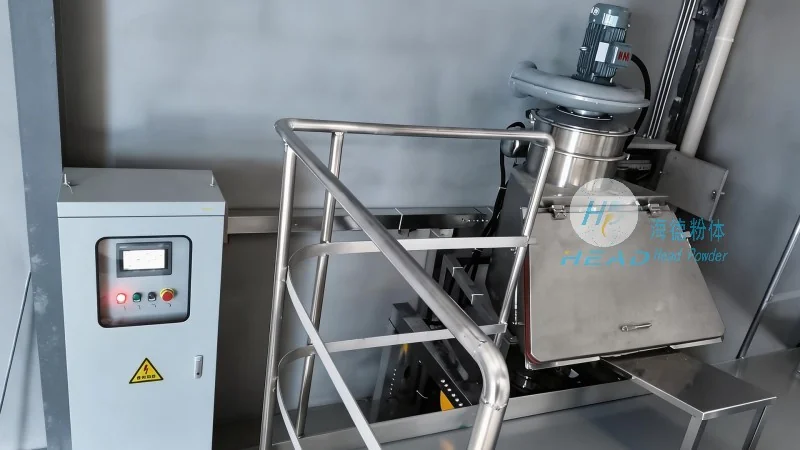
Several key components work in tandem to ensure the effective operation of continuous material feeding and conveying systems. These components include feed hoppers, which store and feed the raw material into the system; conveyors, such as belt or screw conveyors, which transport the material; control panels, which monitor and adjust system parameters; and sensors, which detect material levels, flow rates, and potential blockages. Each component is designed to perform a specific function, and their integration is crucial for the overall efficiency of the system. For instance, feed hoppers are typically equipped with level sensors to prevent overfilling and ensure a consistent feed rate. Conveyors are often fitted with tension and speed controls to maintain optimal performance under varying load conditions. Control panels provide operators with real-time data and allow for adjustments to be made quickly, enhancing the system's responsiveness and adaptability.
Advantages and Applications
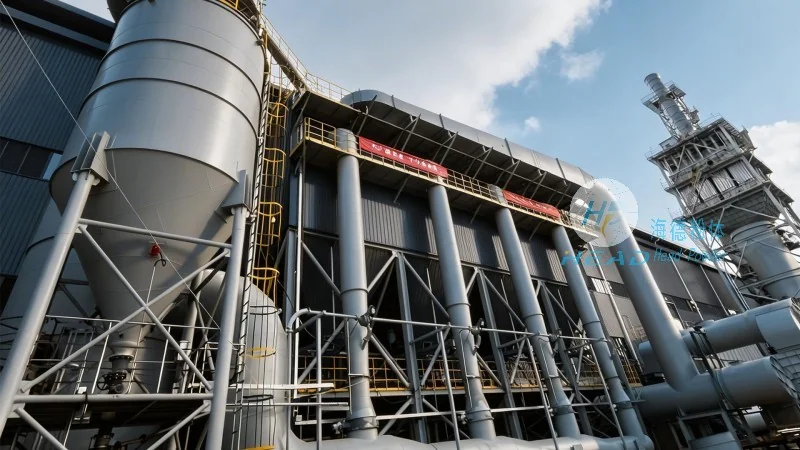
Continuous material feeding and conveying systems offer numerous advantages over traditional manual or batch processing methods. These systems provide consistent and reliable material flow, reducing downtime and improving production efficiency. They also minimize the risk of material contamination and damage, as the enclosed or controlled environment prevents exposure to external factors. Additionally, these systems can handle a wide range of materials, including powders, granules, and bulk solids, making them versatile for various industrial applications. The applications of such systems span multiple sectors, including food processing, pharmaceuticals, mining, and manufacturing. In food processing, for example, continuous conveyors are used to transport ingredients and finished products, ensuring hygiene and safety standards are met. In the pharmaceutical industry, these systems are employed to handle active pharmaceutical ingredients (APIs) and other sensitive materials, maintaining strict quality control measures. In mining operations, bulk materials like ore and coal are conveyed over long distances using large-scale systems, enhancing operational efficiency and reducing transportation costs.
Maintenance and Operational Considerations
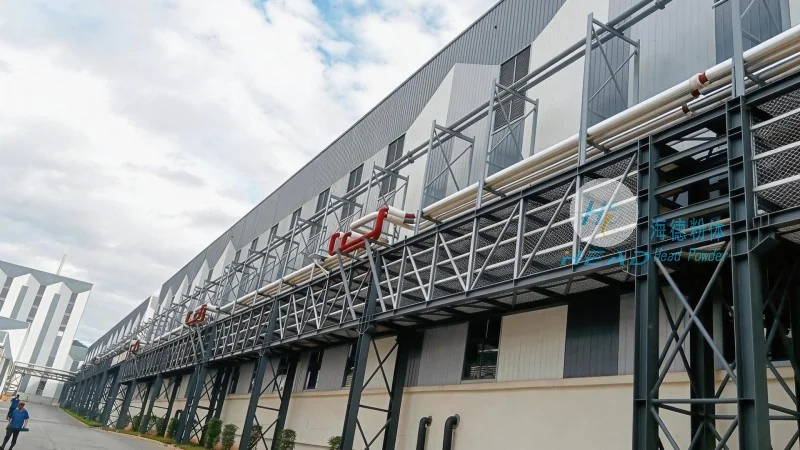
To ensure the longevity and optimal performance of continuous material feeding and conveying systems, regular maintenance and proper operational practices are essential. Maintenance activities include routine inspections of components, such as belts, screws, and bearings, to identify and address wear and tear. Lubrication of moving parts is also critical to reduce friction and prevent overheating. Additionally, cleaning and sanitation procedures are necessary, especially in industries where hygiene is a priority, to prevent contamination and maintain product quality. Operational considerations involve monitoring system performance metrics, such as flow rate and pressure, and adjusting settings as needed to maintain optimal operation. Training operators on proper system operation and emergency procedures is also important to ensure safe and efficient use of the equipment. By adhering to these maintenance and operational guidelines, companies can maximize the lifespan of their equipment and minimize downtime, ultimately improving overall productivity.
Conclusion
Continuous material feeding and conveying systems are indispensable in modern industrial settings, providing efficient and reliable material handling solutions. The operation process, which involves feeding, conveying, and discharging stages, is designed to ensure a steady flow of materials. The working principle, based on mechanical or pneumatic forces, enables the system to transport materials effectively. With proper maintenance and operational practices, these systems can deliver consistent performance and contribute to the overall success of industrial operations. As industries continue to evolve, the demand for advanced material handling solutions will remain high, and companies like Shandong HeadPowder Engineering Co., Ltd. will play a crucial role in meeting these needs with innovative and reliable equipment.




