Limestone powder is a crucial raw material in various industrial applications, including cement production, construction, and chemical manufacturing. Efficient and reliable material handling systems are essential to ensure smooth production processes and maintain product quality. This article provides a detailed overview of the operation process and working principle of limestone powder material handling systems, focusing on the key equipment and their integration in industrial settings.
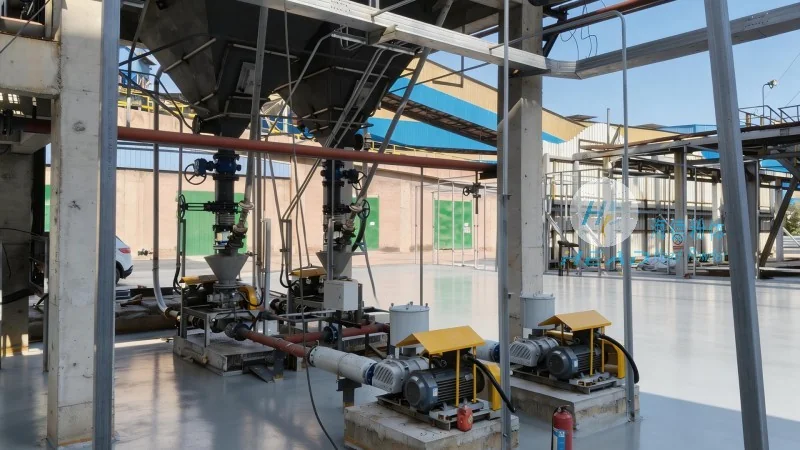
Key Components of the Limestone Powder Material Handling System
The limestone powder material handling system typically consists of several interconnected components designed to handle, transport, and process the material. The primary components include a feeding device, a conveyor system, a dust collection system, and a control unit. Each component plays a vital role in the overall operation, ensuring the material is transported safely and efficiently.
The feeding device, often a hopper or a rotary valve, is responsible for receiving and regulating the flow of limestone powder from the storage silo or hopper. It ensures a consistent and controlled feed rate to the conveyor system, preventing overloading and maintaining system stability. The conveyor system, which may include belt conveyors, screw conveyors, or pneumatic conveyors, is the core of the material transport process. Belt conveyors are commonly used for horizontal and slight incline transport due to their high capacity and low maintenance requirements. Screw conveyors are suitable for vertical or inclined transport, providing a compact and enclosed solution. Pneumatic conveyors, or air slides, are ideal for handling fine powders like limestone, as they use air pressure to move the material through a pipeline.
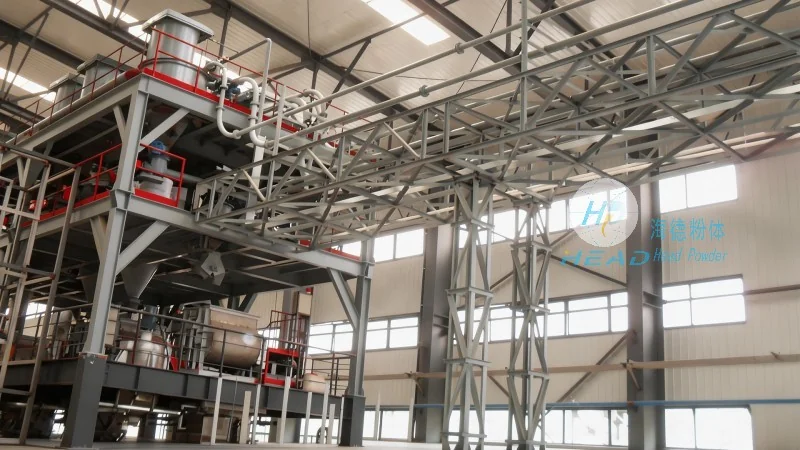
The dust collection system is an integral part of the material handling system, designed to capture and remove dust particles generated during the material transport process. This system typically includes a dust collector, filters, and a ventilation fan. The dust collector uses cyclonic separation or bag filters to trap dust, ensuring a clean and safe working environment. The control unit, often a programmable logic controller (PLC), manages the operation of all components, monitoring parameters such as flow rate, pressure, and temperature. It also provides safety features, such as emergency stop buttons and overload protection, to prevent accidents and equipment damage.
Operation Process of the Limestone Powder Material Handling System
The operation of the limestone powder material handling system follows a systematic sequence to ensure efficient material transport. The process begins with the material being discharged from the storage silo into the feeding hopper. The rotary valve or feeder then regulates the flow of limestone powder into the conveyor system. The conveyor transports the material to the processing or packaging area. During this process, the dust collection system continuously captures and removes dust particles from the air, maintaining a clean environment. The control unit monitors all parameters in real-time, adjusting the feed rate or conveyor speed as needed to maintain optimal performance. The system operates continuously, with regular maintenance checks to ensure smooth and uninterrupted operation.
When the material reaches the destination, it is discharged into a storage bin or directly into a processing machine. The entire process is automated, with minimal human intervention required. The system can be programmed to operate on a schedule or triggered by production demands, ensuring that the limestone powder is available when needed. The operation process is designed to be flexible, allowing for adjustments in feed rate or conveyor speed to accommodate varying production requirements.
Working Principle of the Limestone Powder Material Handling System
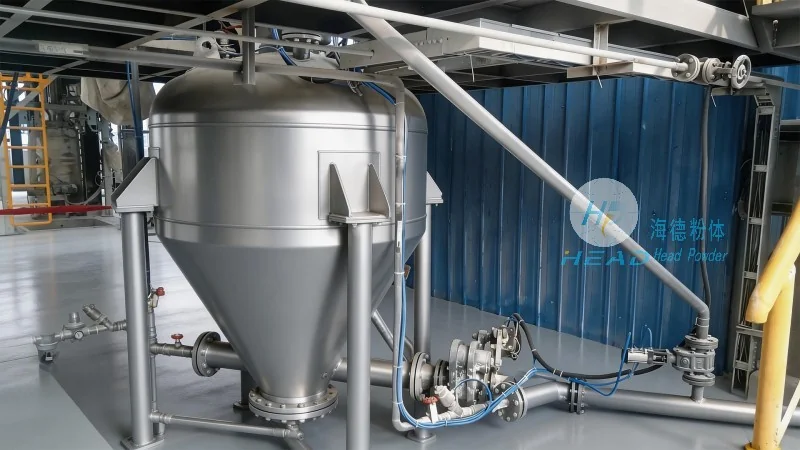
The working principle of the limestone powder material handling system is based on the integration of mechanical, pneumatic, and control technologies. The feeding device regulates the material flow, ensuring a consistent input to the conveyor system. The conveyor system uses mechanical or pneumatic forces to transport the material through the system. The dust collection system uses filtration and separation techniques to remove dust particles, maintaining air quality. The control unit coordinates the operation of all components, using sensors and feedback mechanisms to adjust the system parameters in real-time.
In the mechanical conveyor system, the belt conveyor operates by moving a belt that carries the limestone powder. The belt is driven by a motor, and the speed of the belt determines the transport rate. The screw conveyor uses a rotating screw to push the material forward, with the pitch and speed of the screw affecting the transport capacity. The pneumatic conveyor uses compressed air to create a flow of air that carries the fine powder particles through the pipeline. The air pressure and pipeline design determine the transport efficiency and distance.
The dust collection system operates by drawing air through the conveyor system and into the dust collector. The air passes through a filter or cyclone, where dust particles are separated from the air. The clean air is then released back into the environment, while the collected dust is removed and disposed of properly. The control unit monitors the pressure and flow rate in the dust collection system, ensuring that the filters are not overloaded and that the system operates efficiently.
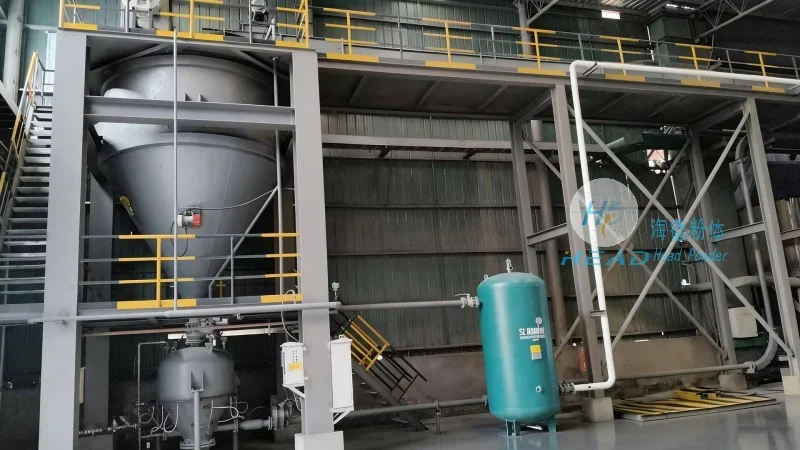
The control unit uses sensors to detect parameters such as material level, pressure, and temperature. These sensors provide feedback to the control system, which adjusts the operation of the feeding device, conveyor, and dust collector. For example, if the material level in the hopper is low, the control unit may increase the feed rate from the storage silo. If the pressure in the pneumatic conveyor is too high, the control unit may reduce the air flow or adjust the conveyor speed. The control unit also includes safety features, such as emergency stop buttons and overload protection, to prevent accidents and equipment damage.
About Shandong HeadPowder Engineering Co., Ltd.
Shandong HeadPowder Engineering Co., Ltd., commonly known as headpowder, is a leading manufacturer and supplier of material handling systems for industrial applications. The company specializes in designing and manufacturing customized solutions for limestone powder and other fine materials, ensuring efficient and reliable material transport in various industries. With a focus on quality and innovation, headpowder provides comprehensive services, including system design, installation, and maintenance. The company's headquarters is located in Shandong, China, and it serves clients worldwide with its advanced technology and expertise.




