HeadPowder, a leading manufacturer based in Shandong, China, specializes in the design and production of advanced pneumatic conveying systems tailored for white powder materials. These systems are engineered to efficiently transport powders such as flour, starch, and other fine particles with high precision and minimal product degradation. The following sections will delve into the operational process and underlying principles of these critical industrial equipment.
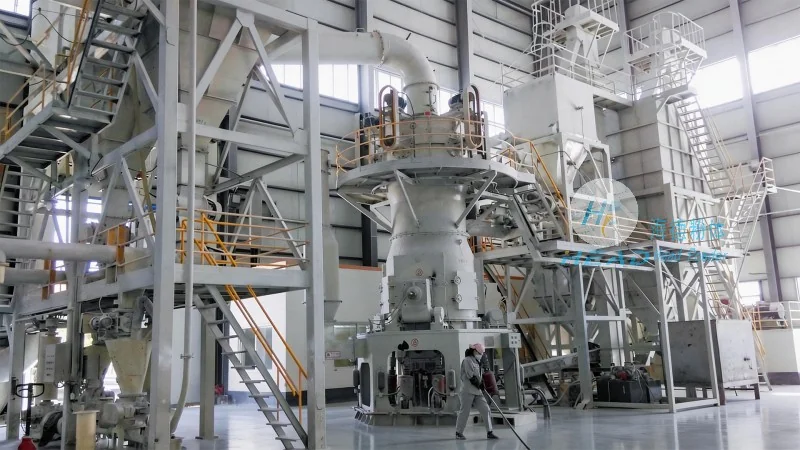
Key Components of Pneumatic Conveying Systems
The pneumatic conveying equipment for white powder materials typically consists of several core components that work in tandem to ensure smooth material handling. These include the hopper or feed hopper, which serves as the storage and feeding unit; the air compressor or blower, responsible for generating the necessary air pressure; the conveying line, which transports the powder through a pipeline; and the receiver or discharge hopper, where the material is collected. Each component plays a vital role in maintaining the system's efficiency and reliability.
Operation Process of Pneumatic Conveying
The operation process of the white powder pneumatic conveying system begins with the material being loaded into the feed hopper. The hopper is equipped with a feeder, often a rotary valve or a screw feeder, which controls the flow rate of the powder into the system. Simultaneously, the air compressor starts and generates a high-pressure air stream. This air stream is then introduced into the conveying line, creating a positive pressure environment that propels the powder particles forward. As the powder travels through the pipeline, it is suspended and transported by the air flow. The receiver at the end of the line collects the conveyed material, completing the cycle. The entire process is automated, with sensors and control systems monitoring parameters like pressure, flow rate, and material level to ensure optimal performance.
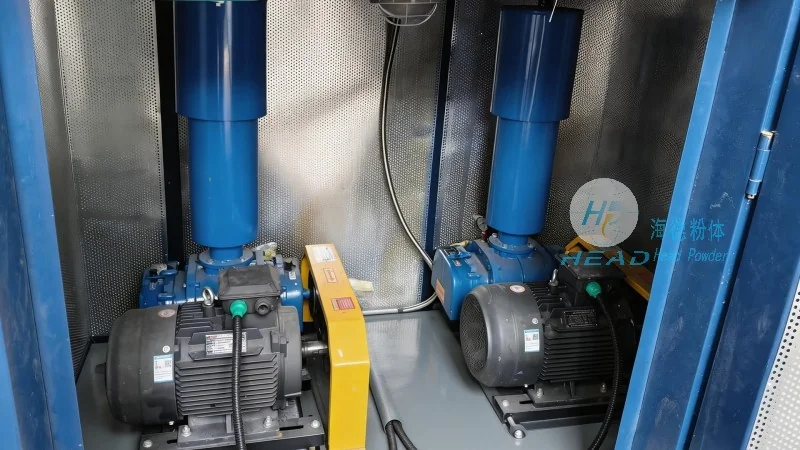
Working Principle of Pneumatic Conveying
The working principle of the pneumatic conveying equipment relies on the fundamental concept of fluidization and particle suspension. When air is introduced into the conveying line at a sufficient velocity, it creates a turbulent flow that lifts and transports the powder particles. This phenomenon is known as pneumatic transport, where the air acts as the conveying medium. The system can operate under either positive pressure (pressure conveying) or negative pressure (vacuum conveying), depending on the application requirements. Positive pressure systems are commonly used for long-distance or high-capacity transport, as they provide consistent pressure and flow. Negative pressure systems are suitable for applications where dust control and material containment are critical, as they create a suction effect that draws the powder into the line.
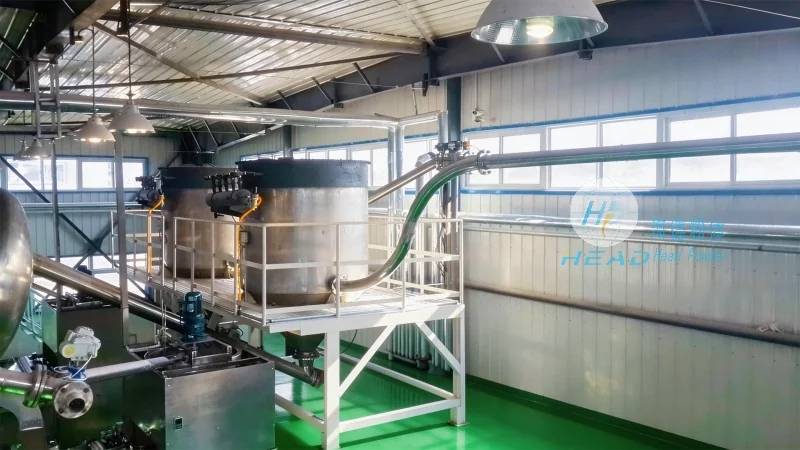
Advantages of Pneumatic Conveying for White Powder Materials
Utilizing pneumatic conveying equipment for white powder materials offers several advantages over traditional mechanical conveying methods. Firstly, it eliminates the need for mechanical components like belts or screws, reducing the risk of product contamination and wear. Secondly, the system provides a clean and hygienic environment, which is essential for food-grade and pharmaceutical powders. Thirdly, it enables precise control over material flow rates and pressure, ensuring consistent product quality. Additionally, pneumatic conveying systems are flexible and can be easily integrated into existing production lines, allowing for scalability and adaptability to changing production needs.
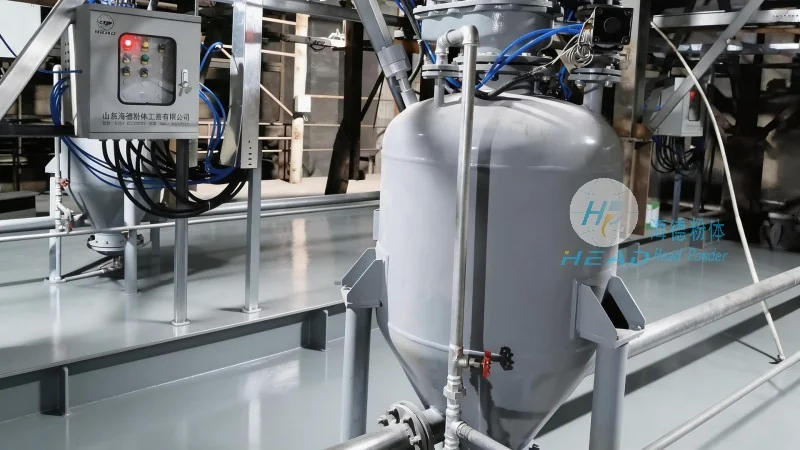
Applications in Various Industries
The pneumatic conveying equipment for white powder materials is widely used across multiple industries due to its versatility and efficiency. In the food industry, it is employed for transporting flour, sugar, and other ingredients in bakeries and food processing plants. In the pharmaceutical sector, it handles powders like active pharmaceutical ingredients (APIs) and excipients, ensuring strict contamination control. The chemical industry also utilizes these systems for transporting fine chemicals and pigments. Furthermore, in the agricultural sector, it aids in the handling of starches and other agricultural powders. The adaptability of the system to different material types and process requirements makes it a preferred choice in these industries.
Maintenance and Operational Considerations
To ensure the long-term reliability and efficiency of the pneumatic conveying equipment, regular maintenance is essential. This includes checking the air compressor for proper operation, cleaning the conveying line to prevent clogging, and inspecting the feed hopper and receiver for any signs of wear or damage. Proper maintenance schedules, as recommended by the manufacturer, should be followed to minimize downtime and maximize system performance. Additionally, operators should be trained on the proper operation of the system, including how to adjust flow rates and pressure settings to accommodate different material types and quantities. By adhering to these operational considerations, the equipment can deliver consistent performance and extend its service life.




