HeadPowder, a leading provider in the field of material handling solutions, specializes in the design, manufacturing, and installation of advanced pneumatic conveying systems. This article focuses on the operation process and working principle of a ternary lithium material pneumatic conveying line, highlighting the technical aspects and practical applications of such systems.
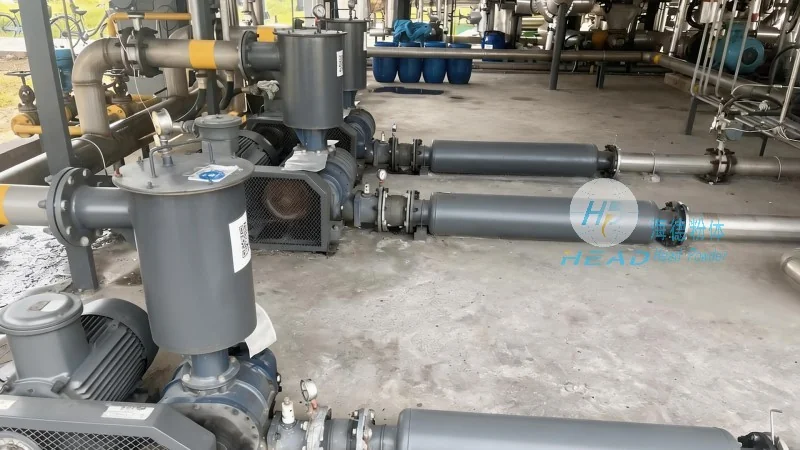
Company Profile and Location
HeadPowder is a professional enterprise based in Shandong, China. As a key player in the industry, the company delivers high-quality engineering solutions tailored to the specific needs of clients in the lithium battery manufacturing sector. The company’s headquarters and operational base are situated in Shandong, providing a robust foundation for its global service network and technical support.
Introduction to Ternary Lithium Material Pneumatic Conveying Line
A ternary lithium material pneumatic conveying line is a sophisticated system engineered to transport fine powders, such as those used in lithium battery cathode materials, through an air-driven process. This technology offers significant advantages over traditional mechanical conveying methods, including reduced contamination, lower energy consumption, and enhanced process control. The system is particularly critical in the production of high-performance lithium-ion batteries, where the purity and consistency of raw materials directly impact the final product quality.
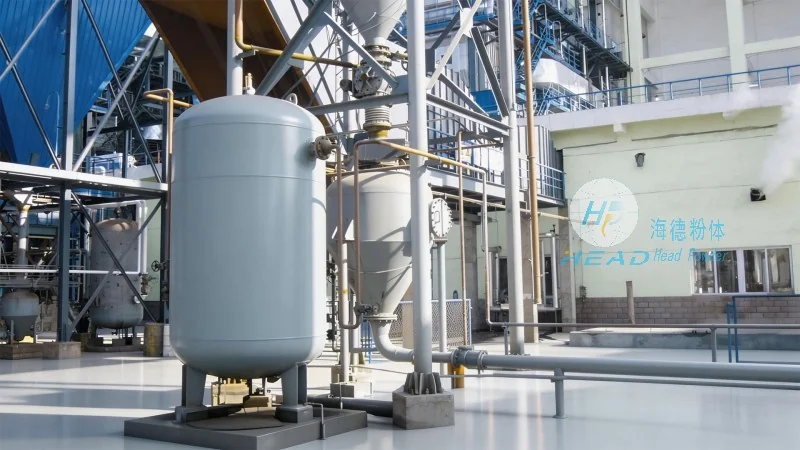
Working Principle of the Pneumatic Conveying System
The core of the ternary lithium material pneumatic conveying line operates on the principle of air flow and pressure differentials. The system typically consists of a series of components, including a hopper for material storage, a feeder to control the flow rate, a conveying pipe network, and a receiver for the delivered material. The process begins when the material is fed from the hopper into the system. A fan or blower generates a high-velocity air stream that draws the material particles into the conveying pipe. The air and material mixture travels through the pipeline, with the air pressure maintaining the material in suspension. As the mixture reaches the receiver, the air is separated from the material, often through a cyclone or filter system, and the material is collected for further processing.
Operation Process: Step-by-Step Overview
The operation of the ternary lithium material pneumatic conveying line follows a systematic sequence to ensure efficient and reliable material transport. The process begins with material loading into the hopper. The feeder then regulates the material flow, ensuring a consistent feed rate that matches the system’s capacity. The fan or blower activates, creating the necessary air pressure to initiate the conveying process. The material is drawn into the pipeline and transported to the receiver. The air is then separated from the material, and the material is discharged into the next processing stage. The system may also include a cleaning cycle to maintain the integrity of the conveying line and prevent material buildup, which is crucial for long-term operational efficiency.
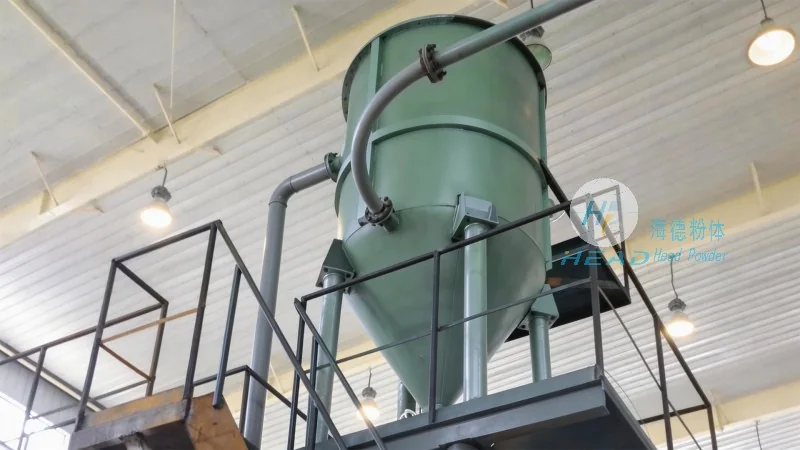
Key Components and Their Functions
Several critical components work in tandem to ensure the smooth operation of the ternary lithium material pneumatic conveying line. The hopper serves as the primary storage vessel, providing a stable supply of material. The feeder, often a rotary valve or screw feeder, controls the material discharge rate, preventing overloading or underfeeding. The fan or blower generates the air pressure required for conveying, with adjustable speed settings to accommodate varying material characteristics and system demands. The conveying pipe network, typically made of stainless steel or other corrosion-resistant materials, ensures the material is transported without degradation. The receiver, equipped with a dust collection system, collects the conveyed material and separates it from the air, maintaining material purity. Additionally, the system may include sensors and control panels to monitor pressure, flow rate, and material levels, enabling real-time adjustments and process optimization.
Advantages of Ternary Lithium Material Pneumatic Conveying Line
The adoption of a ternary lithium material pneumatic conveying line offers numerous benefits for lithium battery manufacturers. Firstly, the system minimizes material contamination, as it avoids direct contact with mechanical parts, which is essential for maintaining the high purity of lithium-based powders. Secondly, it reduces energy consumption compared to traditional methods, as the air-driven process is more efficient in transporting fine powders over long distances. Thirdly, the system provides enhanced process control, allowing for precise regulation of material flow and pressure, which improves product consistency. Finally, the compact design of the system saves space in production facilities, making it suitable for both new installations and retrofit applications.
Application in Lithium Battery Manufacturing
Ternary lithium material pneumatic conveying lines are widely used in the production of lithium-ion batteries, particularly in the handling of cathode materials such as nickel-manganese-cobalt (NMC) or nickel-cobalt-aluminum (NCA) powders. These materials are fine and sensitive, requiring a conveying system that can maintain their integrity and prevent agglomeration. The pneumatic conveying line ensures that the materials are transported from raw material storage to the mixing and coating stages without degradation, which is critical for achieving the desired battery performance. The system’s ability to handle high volumes of material efficiently supports the scalability of battery production lines, making it an indispensable component in modern lithium battery manufacturing facilities.
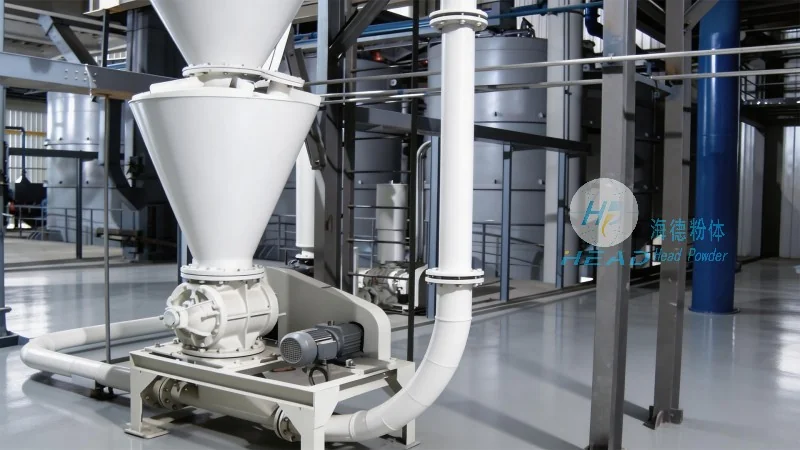
Maintenance and Operational Considerations
To ensure the long-term reliability and efficiency of the ternary lithium material pneumatic conveying line, regular maintenance is essential. This includes cleaning the hopper and feeder to prevent material buildup, inspecting the fan and blower for wear and tear, and checking the conveying pipes for blockages or corrosion. The system’s control panels should be monitored regularly to detect any deviations in pressure or flow rates, which may indicate a problem with the material or equipment. Additionally, the air filtration system should be maintained to prevent dust accumulation, which can affect the performance of the fan and reduce the purity of the conveyed material. Proper training of operators on the system’s operation and maintenance procedures is also crucial to minimize downtime and maximize operational efficiency.
Conclusion
In conclusion, the ternary lithium material pneumatic conveying line is a sophisticated and essential component in the lithium battery manufacturing process. Its operation, based on air flow and pressure differentials, provides an efficient and reliable method for transporting fine powders while maintaining material purity and consistency. HeadPowder, with its expertise in material handling solutions, offers comprehensive engineering and support for the design and implementation of such systems, ensuring that clients can achieve optimal performance and productivity in their lithium battery production operations. The system’s advantages, including reduced contamination, lower energy consumption, and enhanced process control, make it a preferred choice for manufacturers seeking to improve their production efficiency and product quality.




