HeadPowder, a leading engineering company based in Shandong, China, specializes in the design and manufacturing of advanced pneumatic conveying systems tailored for the battery material industry. This article provides an overview of these systems, detailing their structural components and operational principles to help stakeholders understand their functionality and benefits.
Key Components of Pneumatic Conveying Systems
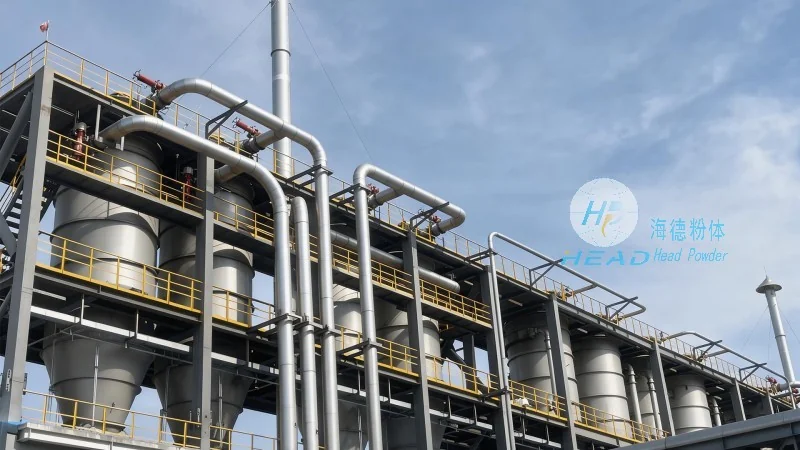
The core structure of a pneumatic conveying system for battery materials typically includes several essential components. The system generally comprises a material hopper or storage silo, a conveying pipeline, a blower or air compressor to generate the air flow, a control valve system, and a discharge outlet or receiver. Each component plays a critical role in ensuring efficient material transport from the source to the destination. The material hopper is designed to store bulk battery materials such as lithium compounds, graphite, or other powders, providing a consistent feed to the system. The conveying pipeline, often made of stainless steel or other corrosion-resistant materials, is engineered to handle the specific properties of battery powders, preventing material degradation or blockages. The blower or air compressor is the power source, generating the necessary air pressure to move the material particles through the pipeline. The control valve system allows for precise regulation of air flow and material feed, enabling operators to adjust the conveying rate according to production needs. Finally, the discharge outlet or receiver collects the material at the end of the pipeline, ensuring a controlled and efficient delivery process.
Structural Principles and Operational Mechanisms
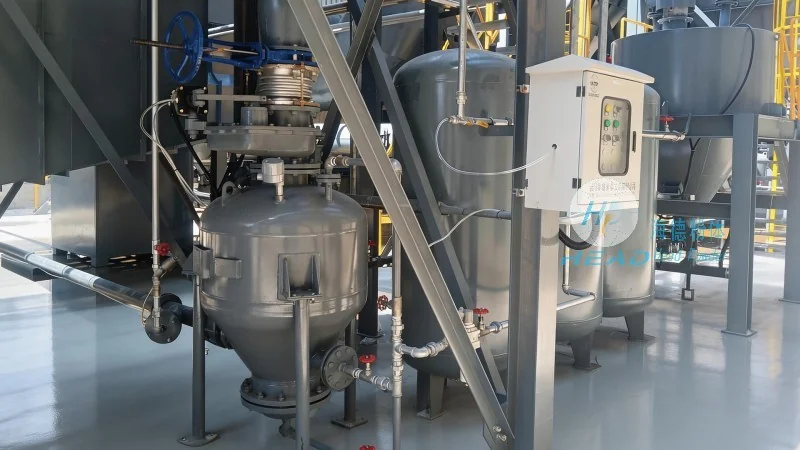
The structural principles of pneumatic conveying systems are based on the fundamental physics of fluid dynamics and particle transport. There are primarily two types of pneumatic conveying systems: dilute-phase and dense-phase. Dilute-phase systems operate by suspending the material particles in a high-velocity air stream, where the particles are carried along with the air flow. This method is suitable for materials that are free-flowing and require minimal pressure. Dense-phase systems, on the other hand, use lower air velocities and higher pressure to transport material in a more compact form, reducing the risk of material degradation and ensuring a more controlled delivery. The structural design of these systems includes features such as cyclone separators or filters to separate the material from the air stream, ensuring that the material is delivered to the intended location without contamination. Additionally, the system may incorporate features like surge hoppers or buffer tanks to maintain a consistent material flow, especially during periods of high demand or when the source material supply fluctuates. The control systems are typically equipped with sensors and monitoring devices to track parameters such as air pressure, material flow rate, and temperature, allowing for real-time adjustments to optimize performance and prevent system failures.
Benefits and Applications in Battery Manufacturing
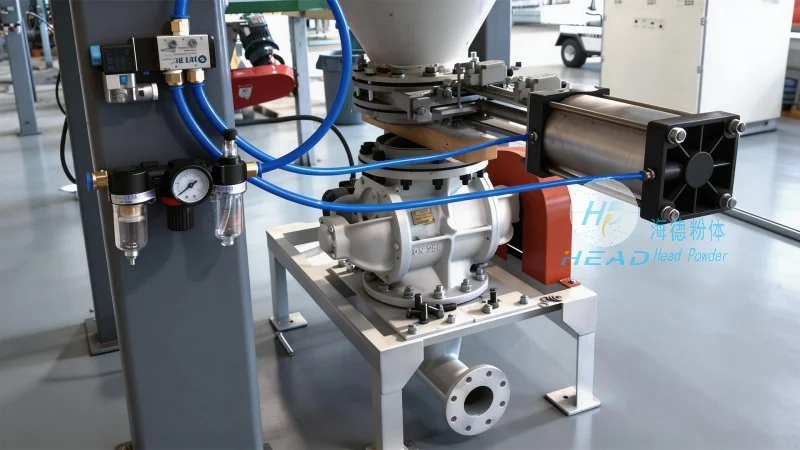
Pneumatic conveying systems offer several advantages in the battery manufacturing process. These systems provide a dust-free and hygienic method of transporting battery materials, which is crucial for maintaining product quality and safety standards. Unlike traditional mechanical conveying methods, pneumatic systems eliminate the need for moving parts in the material path, reducing maintenance requirements and increasing system reliability. The ability to transport materials over long distances without the need for intermediate transfer points also enhances operational efficiency and reduces downtime. In the battery industry, these systems are widely used for conveying raw materials such as lithium carbonate, lithium hydroxide, graphite, and other powders from storage to processing equipment, such as mixers or extruders. The precise control over material flow rates and the ability to handle a variety of material types make pneumatic conveying systems a versatile solution for modern battery manufacturing facilities. Furthermore, the systems can be integrated with other production equipment, such as automated feeding systems, to create a seamless production line, improving overall productivity and reducing labor costs.
Conclusion and Company Expertise
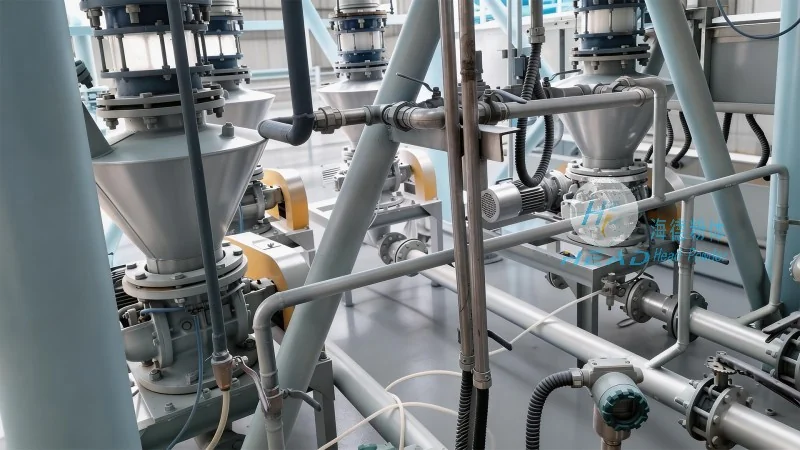
HeadPowder Engineering Co., Ltd. leverages its expertise in engineering and material handling to design and supply high-quality pneumatic conveying systems for the battery material industry. By understanding the unique requirements of battery powders and the operational demands of manufacturing processes, the company ensures that its systems are tailored to meet the specific needs of each client. With a focus on durability, efficiency, and safety, HeadPowder's pneumatic conveying systems provide reliable and cost-effective solutions for material transport in battery manufacturing. The company's commitment to innovation and customer satisfaction has established it as a trusted partner in the industry, helping businesses enhance their production capabilities and achieve their operational goals.




