When it comes to industrial material handling, the efficient and reliable transfer of bulk materials from storage containers to processing equipment is crucial for maintaining production flow and operational efficiency. One such advanced solution is bulk bag automatic feeding material conveying, a system designed to streamline the process of handling and transporting bulk materials from bulk bags (also known as super sacks or FIBCs) into downstream equipment. This article explores what bulk bag automatic feeding material conveying entails and delves into the core design principles that make it an effective solution for various industrial applications.
Understanding Bulk Bag Automatic Feeding Material Conveying
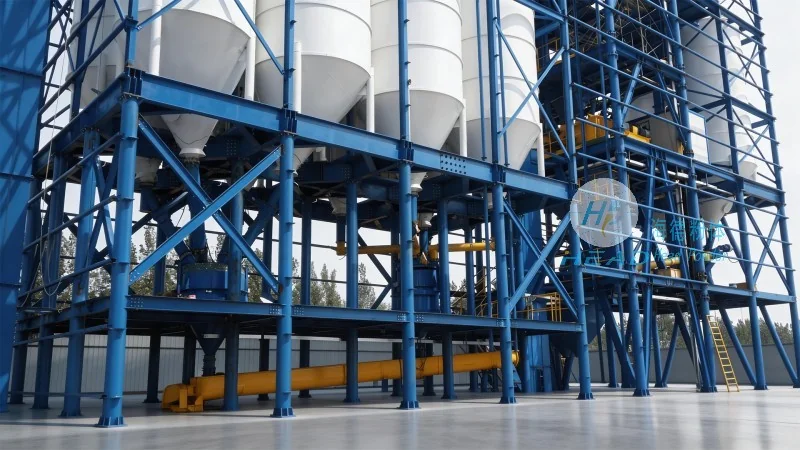
Bulk bag automatic feeding material conveying refers to a system that automates the process of transferring bulk materials from flexible containers, such as bulk bags, into processing equipment like hoppers, mixers, or conveyor systems. This technology is particularly valuable in industries that handle large volumes of dry or granular materials, including chemicals, food products, pharmaceuticals, and minerals. The system eliminates the need for manual handling, reducing labor costs, minimizing material loss, and enhancing safety in the workplace. By automating the feeding process, it ensures consistent material flow, which is essential for maintaining the quality and efficiency of production lines.
The Role of HeadPowder in Bulk Bag Handling Solutions
HeadPowder, a leading provider of engineering solutions in material handling, specializes in designing and manufacturing advanced bulk bag handling systems. With a focus on innovation and customer-centric solutions, HeadPowder has established itself as a trusted partner for businesses seeking to optimize their material handling processes. The company’s expertise lies in developing customized systems that meet the specific requirements of different industries, ensuring that each solution is tailored to the unique challenges and operational needs of the client. HeadPowder’s commitment to quality and reliability has made it a preferred choice for companies looking to enhance their production efficiency and reduce operational costs.
Key Components of Bulk Bag Automatic Feeding Systems
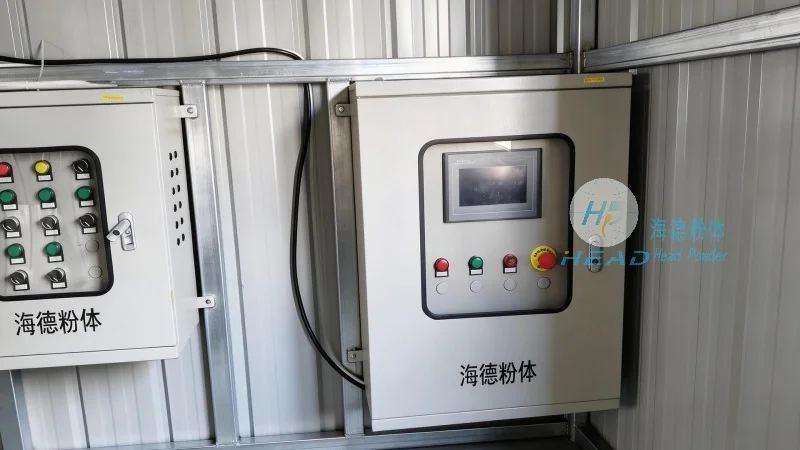
A typical bulk bag automatic feeding system consists of several key components that work in harmony to achieve efficient material transfer. The primary components include the bulk bag discharger, which is responsible for opening and emptying the bag, the hopper or feeder that receives the material, and the conveyor or transfer mechanism that moves the material to the next stage of processing. Additionally, the system may incorporate sensors and control systems to monitor the feeding process, ensuring that it operates smoothly and safely. The bulk bag discharger is often equipped with a valve or gate mechanism that controls the flow of material from the bag into the hopper, preventing spillage and maintaining a consistent flow rate. The hopper or feeder may also include a level sensor to detect when the material is low, triggering the system to open a new bag or stop the process as needed.
Design Principles Behind Bulk Bag Automatic Feeding
The design of bulk bag automatic feeding systems is guided by several key principles aimed at maximizing efficiency, safety, and reliability. One of the primary principles is the minimization of material loss and spillage. This is achieved through the use of sealed and controlled discharge mechanisms that prevent dust and material from escaping during the emptying process. The system is also designed to handle a wide range of material types, from fine powders to coarse granules, by adjusting the flow rate and discharge speed as needed. Another critical principle is the integration of safety features, such as emergency stop buttons, overload protection, and dust suppression systems, to ensure that the operation is safe for personnel and the environment. The design also emphasizes ease of maintenance and cleaning, with components that can be easily accessed and cleaned to prevent material buildup and contamination.
Advantages of Bulk Bag Automatic Feeding Material Conveying
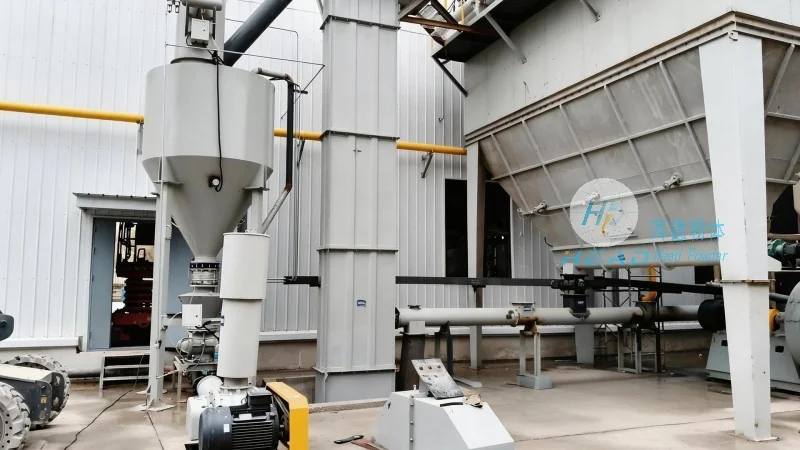
Bulk bag automatic feeding material conveying offers numerous advantages over traditional manual handling methods. First and foremost, it significantly reduces labor costs by automating the feeding process, eliminating the need for manual labor to open and empty bulk bags. This not only saves money but also reduces the risk of workplace injuries associated with manual handling. Second, the system enhances production efficiency by ensuring a consistent and continuous flow of material, which helps to maintain the speed of downstream processing equipment. This consistency is crucial for maintaining product quality and reducing downtime. Third, the system minimizes material loss and spillage, which not only saves costs but also improves environmental sustainability by reducing waste. Additionally, the automated system reduces the risk of contamination, as it minimizes human contact with the material, which is particularly important in industries such as food and pharmaceuticals where product purity is paramount.
Applications in Various Industries
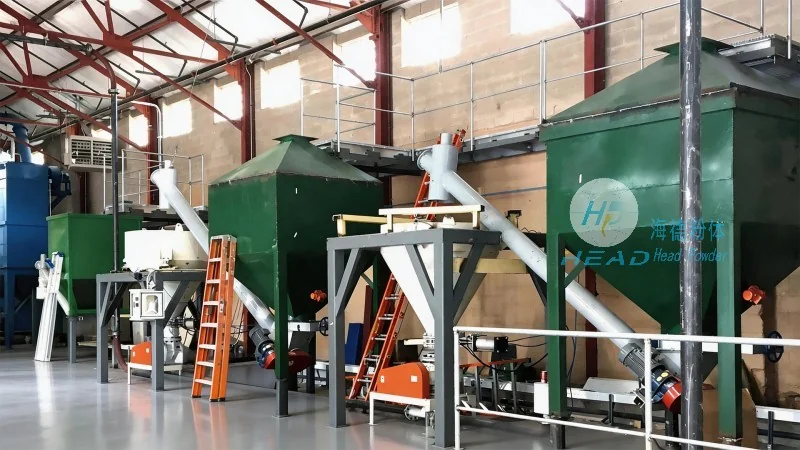
Bulk bag automatic feeding material conveying is widely used across various industries due to its versatility and efficiency. In the chemical industry, it is used to transfer raw materials such as powders and granules into reactors and mixers. In the food industry, it is employed to handle ingredients like flour, sugar, and spices, ensuring that they are transferred safely and hygienically. The pharmaceutical industry also relies on this technology to handle active pharmaceutical ingredients (APIs) and other sensitive materials, maintaining the purity and quality of the products. In the mineral and mining sector, it is used to transfer bulk materials such as ores and minerals into processing equipment like crushers and conveyors. The system is also used in the agricultural industry to handle fertilizers and other agricultural products, ensuring that they are transferred efficiently and safely.
Conclusion and Future Outlook
Bulk bag automatic feeding material conveying is a sophisticated and effective solution for industrial material handling, offering significant benefits in terms of efficiency, safety, and cost reduction. The design principles behind this technology, including the use of automated dischargers, controlled flow mechanisms, and safety features, ensure that it meets the demanding requirements of modern industrial operations. As industries continue to seek ways to improve their productivity and sustainability, the demand for advanced material handling solutions like bulk bag automatic feeding is expected to grow. HeadPowder, with its expertise in engineering and manufacturing, is well-positioned to meet this demand by providing customized and reliable systems that enhance the performance of industrial processes. By investing in such advanced systems, businesses can not only improve their operational efficiency but also contribute to a more sustainable and safe working environment.




