HeadPowder, a leading engineering firm based in Shandong, China, specializes in the design and implementation of advanced material handling solutions. Among its portfolio is the Polyvinylidene Fluoride (PVDF) Pneumatic Conveying System, a cutting-edge technology tailored for the efficient and reliable transport of PVDF materials. This system integrates precision engineering with robust construction to meet the demanding requirements of industrial applications.
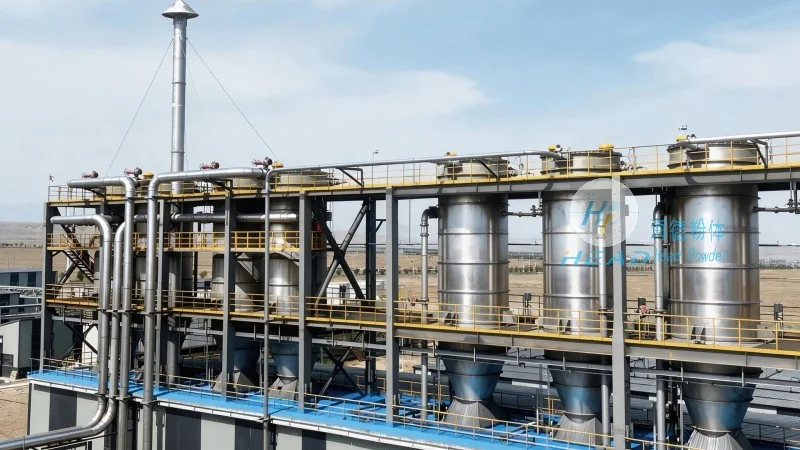
PVDF Pneumatic Conveying System Overview
The PVDF Pneumatic Conveying System is engineered to handle PVDF powders and granules with exceptional accuracy and minimal product degradation. It operates on the principle of air-based transport, utilizing a combination of positive and negative pressure to move materials through a network of pipes and components. The system is designed to ensure high transfer efficiency, often achieving rates of up to 95% or more, while maintaining product purity and preventing contamination.
Key Structural Components and Their Functions
The system comprises several critical components, each playing a vital role in the overall operation. The primary components include the material feed hopper, which stores and meters the PVDF material; the air supply unit, which generates the necessary air pressure for conveying; the conveying line, which transports the material from the feed point to the discharge point; and the control system, which monitors and regulates the entire process.
The material feed hopper is equipped with a variable-speed feeder that ensures a consistent flow rate, preventing overloading or underfeeding that could affect system performance. The air supply unit typically includes a blower or compressor, which provides the required air pressure, often ranging from 0.5 to 2 bar, depending on the material characteristics and system configuration. The conveying line is constructed from high-quality materials, such as stainless steel or PVDF-coated components, to withstand the corrosive nature of PVDF and maintain product integrity.
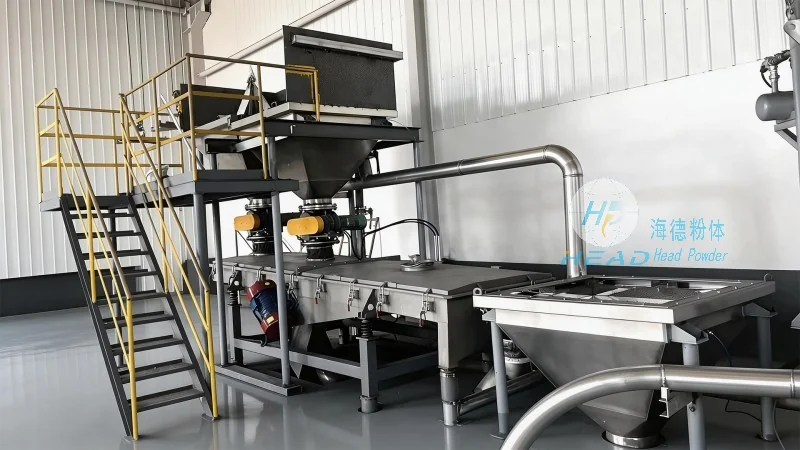
Working Principle of the Pneumatic Conveying Process
The operation of the PVDF Pneumatic Conveying System involves a sequence of steps that ensure efficient material transport. Initially, the PVDF material is fed into the hopper at a controlled rate. Simultaneously, compressed air is introduced into the conveying line. The air flow creates a negative pressure at the feed point, drawing the material into the air stream. As the material travels through the line, it is carried by the air, which maintains a consistent velocity to prevent material settling or blockages.
At the discharge point, the air flow is adjusted to create a positive pressure, which helps to deposit the material into the receiving container. The system may also include a filter or separator to remove any air particles or dust from the material, ensuring that the delivered product is clean and free from contaminants. The control system continuously monitors parameters such as air pressure, flow rate, and material level, adjusting the operation in real-time to maintain optimal performance.
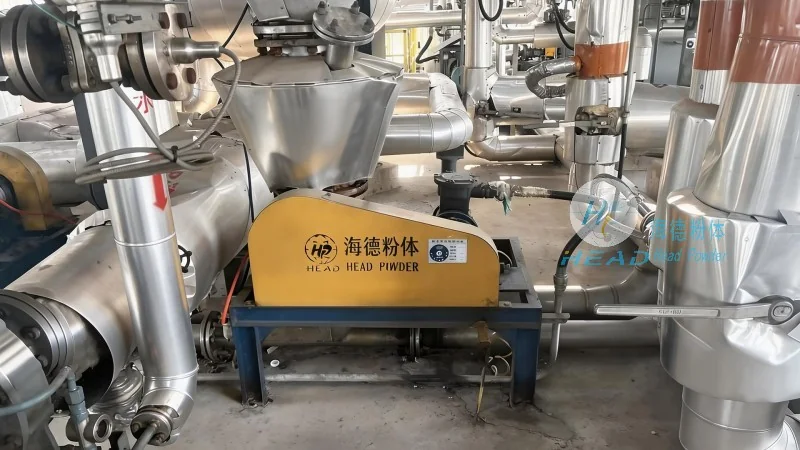
Advantages and Applications
The PVDF Pneumatic Conveying System offers several advantages that make it suitable for a wide range of industrial applications. Its ability to handle fine powders and granules without clogging or degradation is particularly beneficial in industries where product quality is paramount. The system is also highly flexible, allowing for integration with existing production lines and customization to meet specific operational requirements.
Applications of the PVDF Pneumatic Conveying System include the pharmaceutical, chemical, and food industries, where the transport of sensitive materials requires strict control over temperature, moisture, and contamination. It is also used in research and development settings, where precise material handling is essential for experimental processes. The system's reliability and efficiency make it a preferred choice for companies seeking to improve their material handling processes and reduce operational costs.
Conclusion
HeadPowder's PVDF Pneumatic Conveying System represents a sophisticated solution for the efficient transport of PVDF materials. By combining advanced engineering with robust construction, the system ensures high transfer efficiency, product purity, and operational reliability. With its ability to handle a variety of material characteristics and its flexibility in integration, the system is an ideal choice for industrial applications where precision and quality are critical. As a leading provider of material handling solutions, HeadPowder continues to innovate and deliver systems that meet the evolving needs of its clients in Shandong and beyond.




