Plugging type pneumatic conveying equipment is a specialized system designed for the efficient and reliable transport of bulk materials over long distances or within complex industrial settings. This technology is particularly valuable in industries such as chemical processing, food processing, and pharmaceutical manufacturing, where the need for clean, dust-free, and low-energy material handling is paramount. The equipment operates on the principle of creating a plug, or a solid block of material, within a pressurized air stream, which allows for controlled and stable material movement without the need for mechanical components that could introduce contamination or wear.
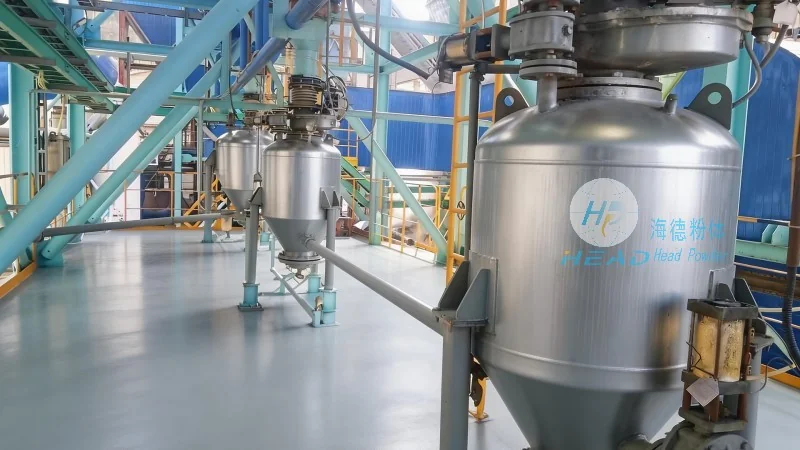
HeadPowder, a leading manufacturer based in Shandong, China, specializes in the design, development, and production of advanced plugging type pneumatic conveying systems. The company’s commitment to quality and innovation has positioned it as a trusted partner for businesses seeking reliable material handling solutions. With a focus on precision engineering and customer-centric design, HeadPowder’s equipment is engineered to meet the diverse needs of modern industrial applications.
Key Structural Components of Plugging Type Pneumatic Conveying Systems
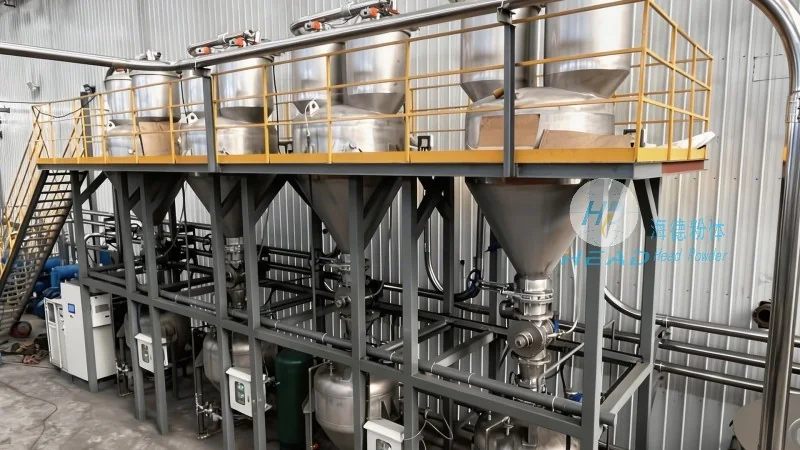
The plugging type pneumatic conveying system consists of several critical components that work in harmony to achieve efficient material transport. The primary components include the feeding unit, the conveying pipeline, the air supply system, and the control mechanisms. Each component plays a vital role in ensuring the smooth operation of the entire system.
The feeding unit is responsible for introducing the bulk material into the conveying pipeline. This unit typically includes a hopper or a feeder that can handle various material types, from fine powders to granules, with minimal segregation or degradation. The design of the feeding unit is crucial to maintain the integrity of the material and prevent blockages or uneven flow.
The conveying pipeline is the core of the system, where the material and air travel together. The pipeline is usually made of durable materials such as stainless steel or plastic, depending on the material being conveyed and the operating conditions. The pipeline is designed to withstand the pressure and temperature variations associated with the conveying process, ensuring long-term reliability and minimal maintenance.
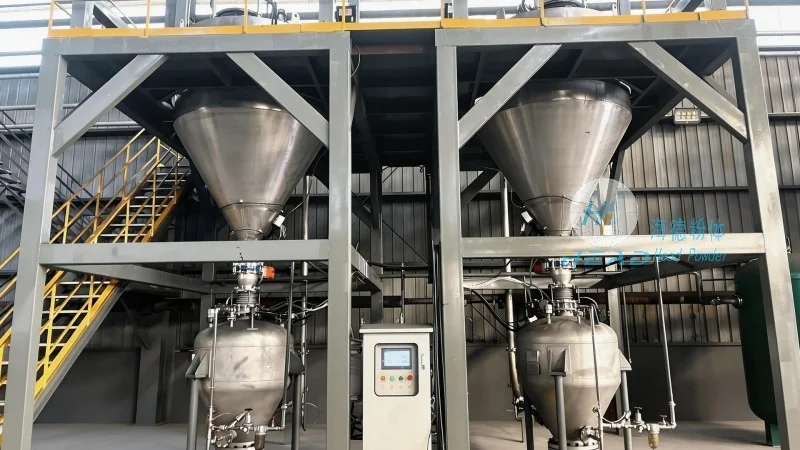
The air supply system provides the necessary pressure and volume of air to create the plug and move the material through the pipeline. This system typically includes a blower or a compressor, which generates the required air flow. The air is then filtered and conditioned to remove contaminants and ensure the material remains clean and free from dust or moisture. The control mechanisms, such as pressure sensors and flow meters, monitor the system’s performance and adjust the air supply as needed to maintain optimal conveying conditions.
Working Principle of Plugging Type Pneumatic Conveying
The working principle of plugging type pneumatic conveying involves the creation of a solid plug of material within a pressurized air stream. This plug is formed by the continuous feeding of material into the pipeline while maintaining a consistent air pressure. The material is carried forward by the air pressure, and the plug moves as a single unit, preventing the material from mixing with the air or settling out prematurely.
When the plug reaches the discharge point, the pressure is reduced, causing the plug to break and release the material. This controlled release ensures that the material is discharged in a uniform manner, without the need for mechanical agitation or vibration. The process is repeated continuously, allowing for the efficient transport of large quantities of material over long distances.
The key advantage of this principle is the ability to transport materials with minimal degradation and maximum efficiency. Unlike other pneumatic conveying methods, plugging type systems do not rely on high air velocities or mechanical components that could damage the material or introduce contamination. This makes them ideal for sensitive materials, such as food products or pharmaceuticals, where purity and quality are critical.
Advantages of Plugging Type Pneumatic Conveying Equipment
Plugging type pneumatic conveying equipment offers several advantages over traditional material handling methods. One of the primary benefits is the ability to transport materials in a clean and dust-free environment. The enclosed system prevents the material from coming into contact with the external environment, reducing the risk of contamination and improving product quality.
Another significant advantage is the energy efficiency of the system. By creating a solid plug, the equipment minimizes the amount of air required for transport, resulting in lower energy consumption compared to other pneumatic conveying methods. This not only reduces operational costs but also contributes to a more sustainable and environmentally friendly operation.
The system also offers high material throughput and long-distance transport capabilities. With the ability to handle large volumes of material, plugging type systems are suitable for applications that require the movement of bulk materials over several hundred meters or more. The reliability of the system, with minimal maintenance requirements, ensures consistent performance and reduces downtime.
Applications and Industries Served by Plugging Type Pneumatic Conveying
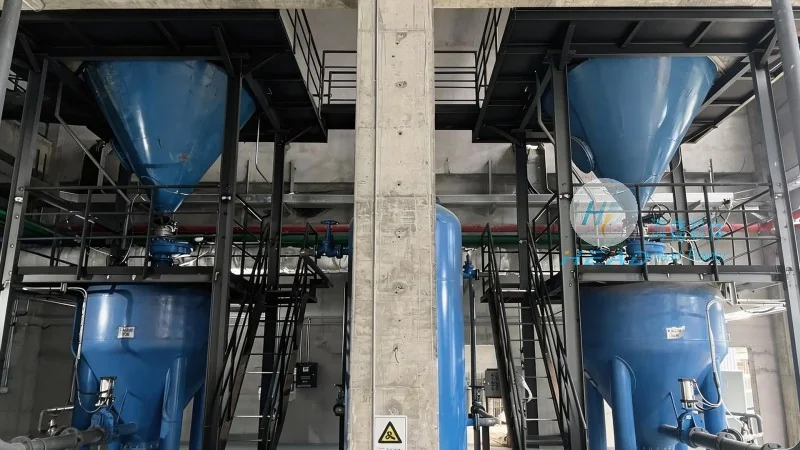
Plugging type pneumatic conveying equipment is widely used in various industries due to its versatility and efficiency. In the chemical industry, it is used to transport powders and granules for processing and storage. The system’s ability to handle corrosive or abrasive materials makes it suitable for applications such as chemical synthesis and polymer production.
In the food and pharmaceutical industries, the equipment is used to transport sensitive materials such as powders, granules, and liquids. The clean and dust-free operation of the system ensures that the materials remain free from contamination, meeting the stringent quality standards required by these industries.
In the agricultural sector, plugging type systems are used to transport grains, seeds, and other bulk agricultural products. The system’s ability to handle large volumes and long distances makes it ideal for agricultural processing and storage facilities.
Overall, plugging type pneumatic conveying equipment provides a reliable and efficient solution for bulk material handling, catering to the diverse needs of modern industrial applications.




