HeadPowder, a leading engineering company based in Shandong, China, specializes in the design, manufacturing, and supply of advanced pneumatic conveying systems for various industrial applications. This article provides an overview of coal particle pneumatic conveying equipment, detailing its structural components and operational principles to help users understand its functionality and benefits.
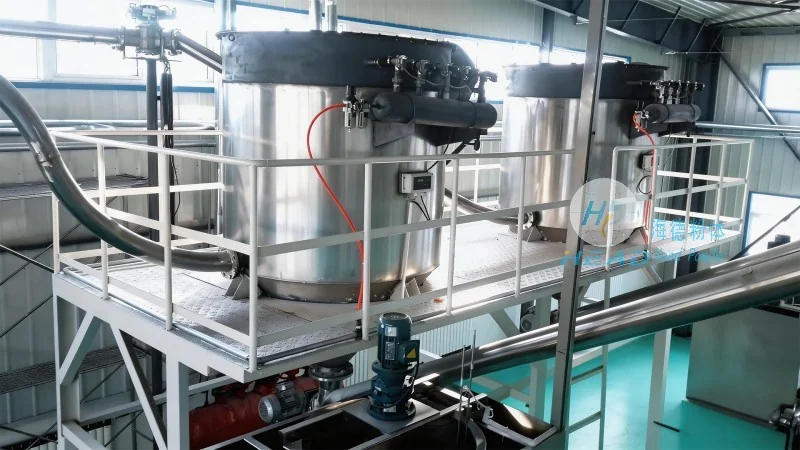
Overview of Coal Particle Pneumatic Conveying Equipment
Coal particle pneumatic conveying equipment is a critical component in modern industrial operations, particularly in the coal processing and power generation sectors. It enables the efficient and safe transportation of coal particles from storage areas to processing units or combustion chambers. The system operates by using a stream of air or gas to move the solid particles through a pipeline network. This method offers several advantages over traditional mechanical conveyors, including reduced maintenance costs, lower energy consumption, and the ability to handle a wide range of particle sizes and moisture contents.
Key Structural Components of the Pneumatic Conveying System
The coal particle pneumatic conveying system consists of several key components that work in tandem to ensure smooth operation. These components include the hopper, feeder, air compressor, pipeline system, and control valves. Each part plays a crucial role in the overall performance of the equipment.
The Hopper and Feeder
The hopper is the primary storage vessel where raw coal is loaded. It is designed with a conical or rectangular shape to facilitate uniform flow of the coal particles. The feeder, typically a rotary valve or a screw feeder, is responsible for regulating the flow rate of coal from the hopper into the pipeline. This component ensures a consistent and controlled supply of coal to the conveying system, preventing blockages and maintaining system efficiency.
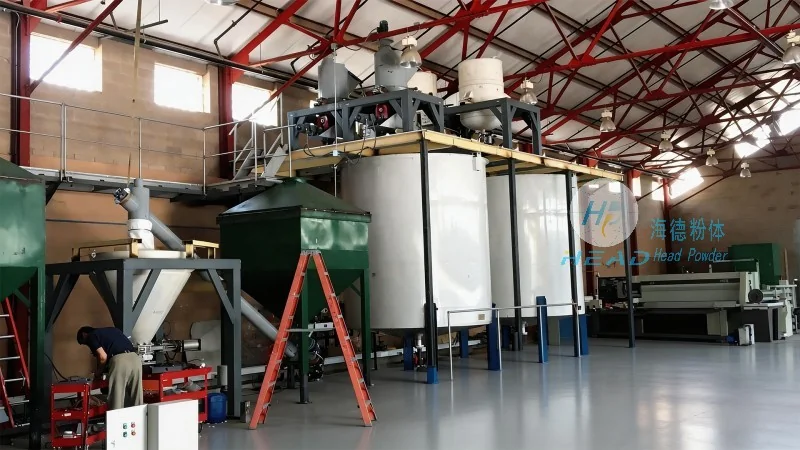
The Air Compressor and Air Treatment System
The air compressor is the heart of the pneumatic conveying system, responsible for generating the necessary pressure and airflow to move the coal particles. It can be a positive displacement type or a centrifugal type, depending on the system requirements. The air treatment system, which includes filters and dryers, ensures that the air used for conveying is clean and free from contaminants. This is essential to prevent clogging of the pipeline and to maintain the quality of the conveyed coal.
The Pipeline System and Control Valves
The pipeline system is the main pathway for transporting the coal particles. It is typically made of stainless steel or other corrosion-resistant materials to withstand the abrasive nature of coal particles. The system includes various sections such as straight runs, bends, and vertical lifts, each designed to handle specific flow conditions. Control valves, such as check valves and pressure relief valves, are installed throughout the pipeline to regulate pressure, prevent backflow, and protect the system from overpressure conditions.
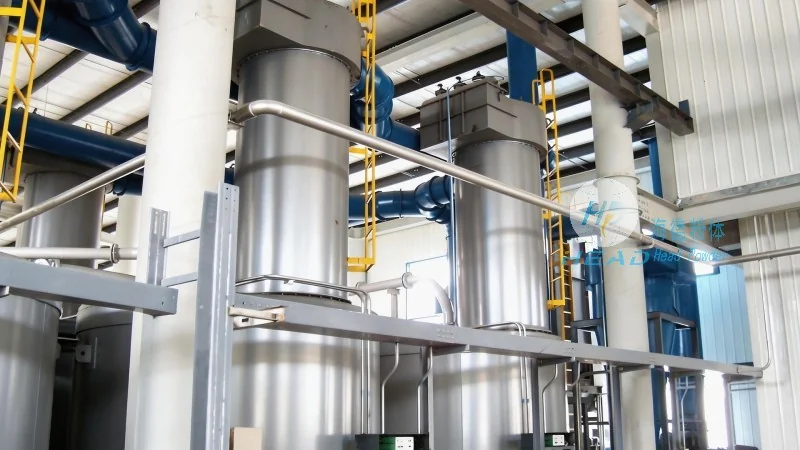
Operational Principles and Working Mechanism
The operational principle of the coal particle pneumatic conveying system is based on the concept of fluidization. When air is introduced into the pipeline at a sufficient velocity, it creates a fluidized bed of coal particles, allowing them to be carried along with the air stream. The velocity of the air must be maintained above the minimum conveying velocity to prevent particle deposition and ensure continuous flow. The system can operate in either dilute-phase or dense-phase modes, depending on the application requirements. Dilute-phase conveying is suitable for long-distance and high-velocity applications, while dense-phase conveying is used for short-distance and low-velocity applications where higher particle concentration is desired.
Advantages and Applications
Coal particle pneumatic conveying equipment offers several advantages over traditional conveying methods. These include reduced labor costs, improved safety by eliminating the need for manual handling, and the ability to transport coal in a dust-free environment. The system is widely used in power plants, coal mines, and industrial facilities where efficient and reliable coal transportation is essential. It can handle various coal types, including bituminous, sub-bituminous, and lignite, and can be adapted to different operational conditions.
Conclusion
Coal particle pneumatic conveying equipment is a sophisticated and efficient solution for the transportation of coal particles in industrial settings. By understanding its structural components and operational principles, users can make informed decisions about its application and maintenance. HeadPowder, with its expertise in engineering and manufacturing, provides high-quality pneumatic conveying systems that meet the diverse needs of the coal industry.




