Shandong HeadPowder Engineering Co., Ltd., a leading provider in the field of material handling solutions, specializes in the design and implementation of advanced pneumatic conveying systems. This document outlines the comprehensive design approach for a system specifically tailored for the efficient and reliable transport of electrical insulating powder, commonly known as Bakelite powder. The system is engineered to meet stringent industry standards while ensuring optimal performance, safety, and durability.
Key Design Considerations
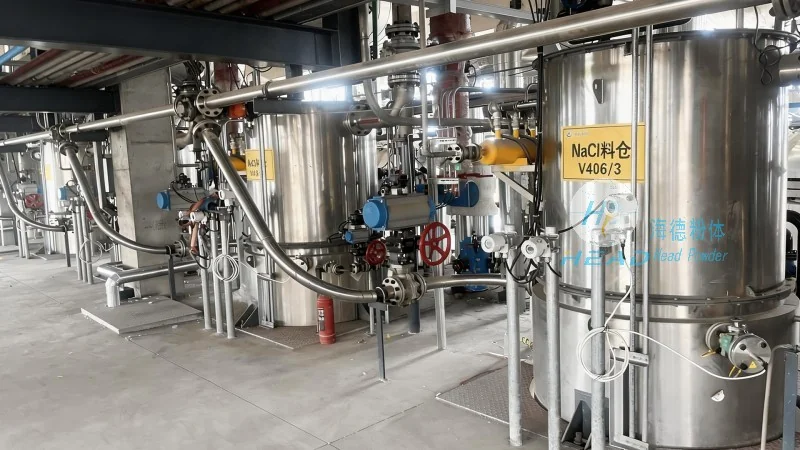
The design of the pneumatic conveying system for electrical insulating powder involves several critical factors that directly impact its operational efficiency and longevity. First, the material properties of the powder, such as its particle size distribution, moisture content, and flowability, are meticulously analyzed to determine the most suitable conveying method. For powders like electrical insulating powder, which may have varying particle sizes and potential for static charge accumulation, the system incorporates specialized components to mitigate these challenges. Additionally, the system is designed with a focus on energy efficiency, utilizing optimized air flow rates and pressure control mechanisms to minimize operational costs without compromising performance.
System Components and Configuration
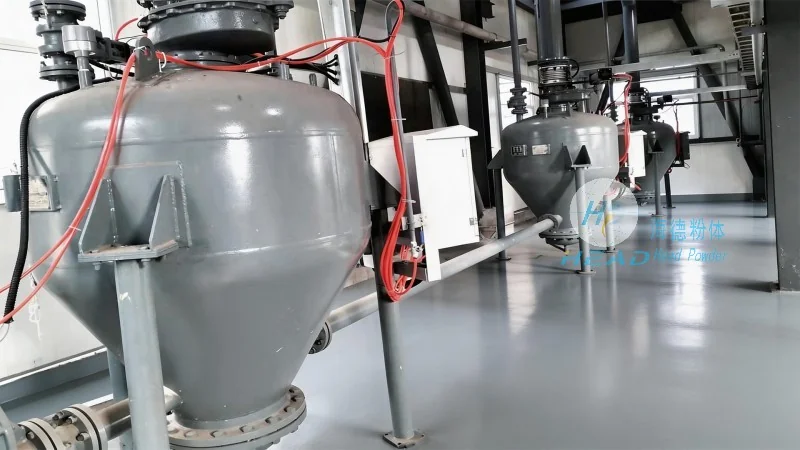
The pneumatic conveying system comprises several key components, each playing a vital role in the overall operation. The primary components include a hopper for material storage, a rotary valve for controlled material discharge, a positive displacement blower or air compressor to generate the necessary air pressure, a conveying pipeline network, and a receiver for material deposition. The configuration is tailored to the specific layout of the facility, ensuring minimal material handling distances and streamlined workflow. For the electrical insulating powder, the system employs a closed-loop design to prevent dust contamination and environmental pollution, adhering to strict industrial hygiene standards. The pipeline is constructed from materials resistant to chemical corrosion and wear, such as stainless steel or specialized plastic composites, to ensure long-term reliability.
Material Handling and Flow Control
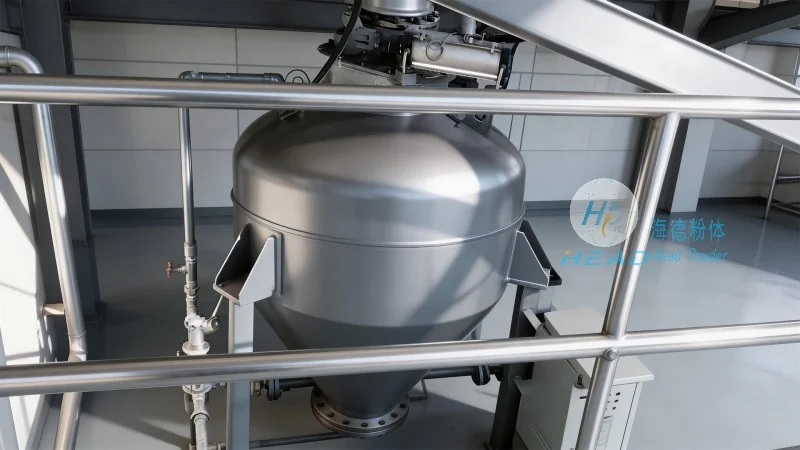
Effective material handling is achieved through precise flow control mechanisms integrated into the system. The rotary valve at the hopper outlet regulates the flow rate of the electrical insulating powder, preventing overloading of the conveying line and ensuring consistent air-powder mixture ratios. The blower or air compressor maintains a stable pressure within the system, which is crucial for maintaining the flow of the powder through the pipeline. The system also includes pressure sensors and flow meters to monitor real-time performance, allowing for immediate adjustments to optimize conveying efficiency. For powders prone to bridging or caking, the system may incorporate vibration or air agitation features to maintain free-flowing conditions, ensuring uninterrupted operation.
Safety and Environmental Compliance
Compliance with safety and environmental regulations is a paramount consideration in the design of the pneumatic conveying system. The system is equipped with safety interlocks and emergency shut-off valves to prevent accidental release of the powder or air pressure. Additionally, dust collection and filtration systems are integrated to capture any airborne particles, ensuring that emissions are minimized and meet regulatory standards. The design also addresses the potential for static electricity buildup, which can be hazardous in powder handling operations. Anti-static materials and grounding mechanisms are incorporated into the system to dissipate static charges, reducing the risk of sparks or explosions. These safety features are essential for maintaining a secure working environment and protecting both personnel and equipment.
Installation and Commissioning
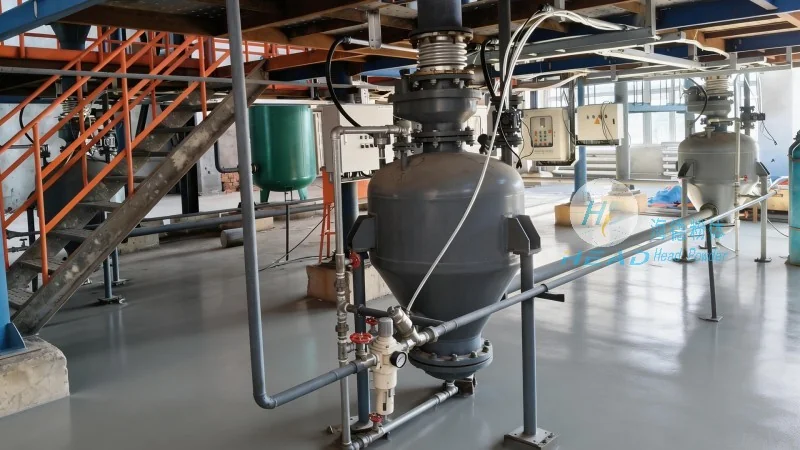
The installation process of the pneumatic conveying system is carried out by experienced engineers from Shandong HeadPowder Engineering Co., Ltd. The team ensures that all components are properly assembled and aligned according to the design specifications. Commissioning involves a series of tests to verify the system's performance, including pressure tests, flow rate measurements, and material transport trials. The system is calibrated to achieve the desired conveying capacity and efficiency, with adjustments made as needed to optimize operation. The company provides comprehensive documentation and training to the client's staff, ensuring that the system is operated and maintained correctly for long-term reliability.




