Efficient and reliable material handling is a critical aspect of modern industrial operations, particularly in the production of electrode carbon black. The design of a pneumatic conveying system for the purification slag from the process is essential to ensure smooth material transport, minimize downtime, and enhance overall operational efficiency. This article provides a detailed overview of the system design, highlighting key components, operational principles, and the expertise of Shandong HeadPowder Engineering Co., Ltd. in delivering tailored solutions for such industrial applications.
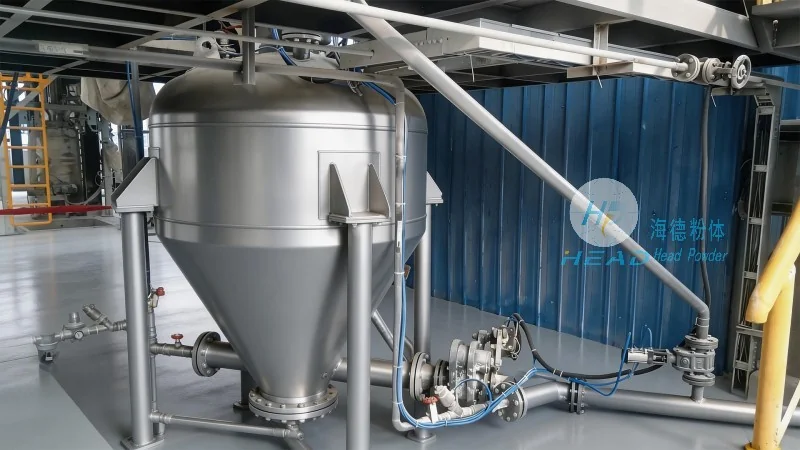
Company Overview: HeadPowder Engineering
HeadPowder, as the name suggests, is a leading engineering firm specializing in powder and bulk material handling systems. With a strong presence in Shandong, China, the company has built a reputation for its innovative approaches and commitment to quality. As a key player in the industry, HeadPowder offers comprehensive services ranging from system design and installation to maintenance and optimization. The company's expertise is rooted in years of experience working with diverse industrial sectors, ensuring that each project is approached with a deep understanding of the unique challenges and requirements of the client.
System Design Objectives and Key Considerations
The primary objective of designing a pneumatic conveying system for electrode carbon black purification slag is to achieve efficient, low-cost, and safe transport of the material from the source to the destination. Several critical factors must be considered during the design phase. First, the physical properties of the slag, such as particle size, density, and moisture content, significantly influence the choice of conveying method and equipment. For instance, fine particles may require higher air velocities to prevent blockages, while larger particles might necessitate different nozzle designs and pressure levels. Second, the system must be designed to handle the specific flow rates required by the production process, ensuring that the conveying capacity matches the plant's output. Third, energy efficiency is a paramount consideration, as pneumatic conveying systems can be energy-intensive. Therefore, optimizing the system for minimal air consumption while maintaining adequate transport velocity is crucial. Additionally, safety and environmental compliance are non-negotiable. The system must be designed to prevent dust emissions, comply with local regulations, and ensure the safety of personnel operating the equipment.
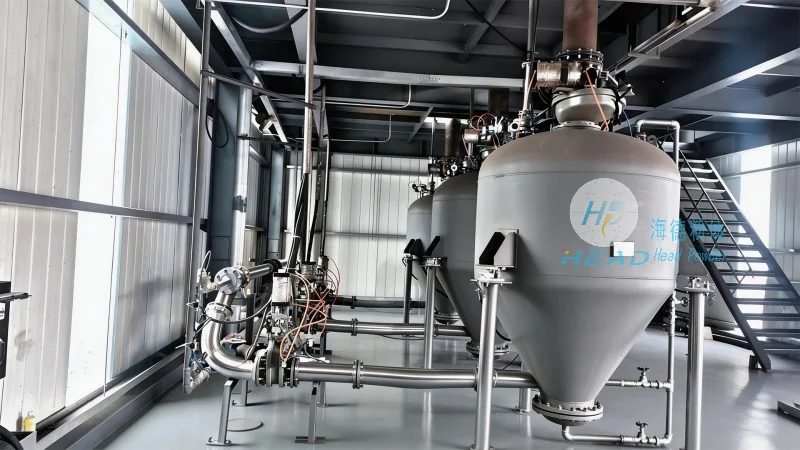
Core Components of the Pneumatic Conveying System
The pneumatic conveying system for electrode carbon black purification slag typically consists of several key components, each playing a vital role in the overall operation. The primary components include the material feed hopper, which stores and feeds the slag into the system. The hopper is equipped with a rotary valve or feeder to control the flow rate and prevent material buildup. The conveying line, usually made of stainless steel or other corrosion-resistant materials, is designed to withstand the abrasive nature of the slag particles. The air supply system, which includes a blower or compressor, generates the necessary pressure to move the material through the line. The line may include bends, elbows, and expansion joints to accommodate changes in direction and prevent pressure drops. At the discharge end, a receiver or silo collects the conveyed material, and a dust collection system, such as a cyclone or baghouse, is integrated to capture any fine particles and ensure environmental compliance. The control system, often automated, monitors and regulates the flow of material and air, ensuring consistent performance and preventing overloading or underloading of the system.
Operational Principles and Performance Metrics
The pneumatic conveying system operates on the principle of using air as a medium to transport solid particles. There are two main types of pneumatic conveying systems: dilute-phase and dense-phase. Dilute-phase systems use high air velocities to keep the particles suspended in the air stream, typically operating at pressures between 0.5 to 2 bar. Dense-phase systems, on the other hand, use lower air velocities and higher pressures (up to 10 bar) to push the material in a plug flow, reducing the risk of particle degradation and ensuring more precise control over the discharge rate. For the electrode carbon black purification slag, a dilute-phase system is often preferred due to the fine particle size and the need for efficient transport over longer distances. The performance of the system is evaluated based on several metrics, including conveying capacity (tonnes per hour), pressure drop (Pa/m), air consumption (m³/min), and material recovery rate. These metrics are crucial for optimizing the system and ensuring that it meets the production requirements. For example, a higher conveying capacity indicates that the system can handle more material, while a lower pressure drop suggests that the system is more energy-efficient. The material recovery rate, which measures the percentage of material successfully conveyed to the destination, is also an important indicator of system performance.
Advantages of the Pneumatic Conveying System
Implementing a pneumatic conveying system for electrode carbon black purification slag offers several advantages over traditional methods such as belt conveyors or bucket elevators. First, the system provides a closed-loop operation, which significantly reduces dust emissions and improves environmental safety. This is particularly important in industries where dust control is a regulatory requirement. Second, the system is highly flexible, allowing for changes in the conveying route or destination without major modifications to the infrastructure. This flexibility is beneficial for plants that may need to expand or reconfigure their production lines. Third, the system is relatively compact, requiring less floor space compared to other material handling systems. This is advantageous for plants with limited space or in urban areas where space is at a premium. Fourth, the system can be integrated with other process equipment, such as crushers or classifiers, to form a complete material handling system. This integration enhances overall plant efficiency and reduces the need for manual intervention. Finally, the system is relatively easy to maintain and repair, as most components are accessible and can be replaced or serviced without extensive downtime.
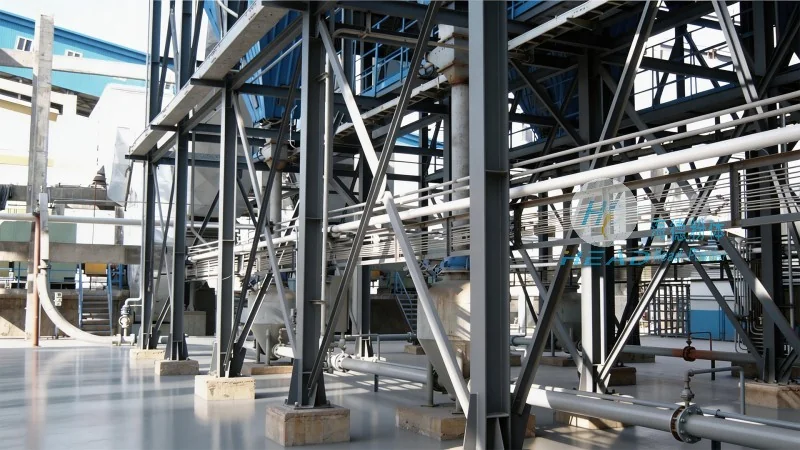
Case Study: Application in Electrode Carbon Black Production
Shandong HeadPowder Engineering Co., Ltd. has successfully implemented a pneumatic conveying system for electrode carbon black purification slag in a major electrode carbon black production facility in Shandong, China. The system was designed to transport approximately 50 tonnes of slag per hour from the purification unit to the storage silo. The system was installed and commissioned by HeadPowder's engineering team, who worked closely with the client to ensure that all requirements were met. The system has been in operation for over two years and has demonstrated excellent performance. The conveying capacity has consistently met or exceeded the design specifications, with a material recovery rate of over 98%. The pressure drop across the system is low, indicating high energy efficiency. The dust collection system has effectively captured all fine particles, ensuring that the plant meets all environmental regulations. The client has reported significant improvements in operational efficiency, with reduced downtime and lower maintenance costs. The success of this project has further solidified HeadPowder's reputation as a leading provider of pneumatic conveying systems for industrial applications.
Conclusion and Future Developments
In conclusion, the design of a pneumatic conveying system for electrode carbon black purification slag is a complex but essential task that requires a deep understanding of material properties, operational principles, and engineering expertise. Shandong HeadPowder Engineering Co., Ltd. has demonstrated its capability to deliver high-quality, customized solutions that meet the specific needs of its clients. The advantages of pneumatic conveying systems, including efficiency, flexibility, and environmental compliance, make them an attractive option for modern industrial operations. As technology advances, future developments may include the integration of advanced control systems, such as artificial intelligence and machine learning, to optimize system performance further. Additionally, the use of more sustainable materials and energy sources may become more prevalent, leading to even more efficient and environmentally friendly pneumatic conveying systems. However, regardless of future developments, the core principles of designing a reliable and efficient system will remain the same: understanding the material, optimizing the components, and ensuring safe and effective operation.




