

Analysis of Resin Pellet Pneumatic Conveying Systems
Resin pellet pneumatic conveying systems represent a critical technology in material handling, particularly for industries dealing with polymer resins. These systems are designed to efficiently transport resin pellets from storage to processing units, ensuring minimal product degradation and operational efficiency. The core of such systems involves the use of air as the conveying medium, which moves the resin pellets through a network of pipes and components.
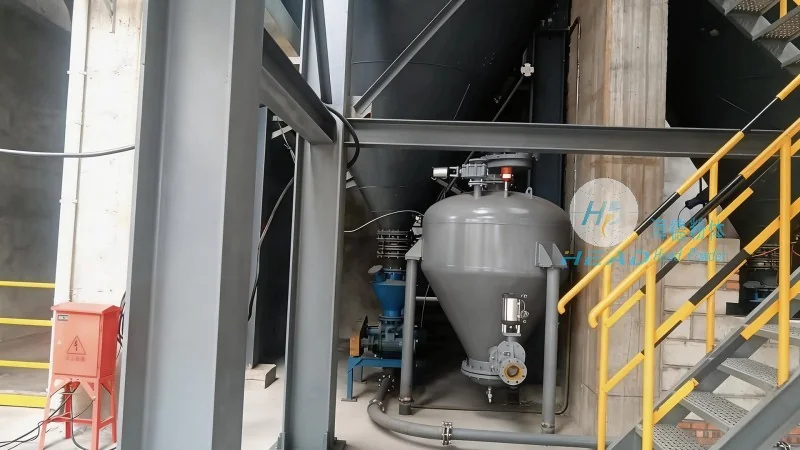
Key Components of Resin Pellet Pneumatic Conveying Systems
The effectiveness of a resin pellet pneumatic conveying system is largely determined by its key components. These typically include a hopper for material storage, a feeder to control the flow of resin pellets, a blower or compressor to generate the air pressure, and a conveying line that transports the material. Additionally, components like filters, cyclones, and silos are often integrated to manage dust, separate air from material, and store the conveyed resin pellets.
How Resin Pellet Pneumatic Conveying Systems Work
The operation of these systems involves several stages. First, resin pellets are fed from the hopper into the conveying line. The feeder regulates the flow rate, ensuring a consistent supply of material. The blower then generates the necessary air pressure, which propels the resin pellets through the pipeline. As the pellets travel, they may encounter components like cyclones that separate the material from the air stream. Finally, the resin pellets are deposited into a receiving silo or processing unit.
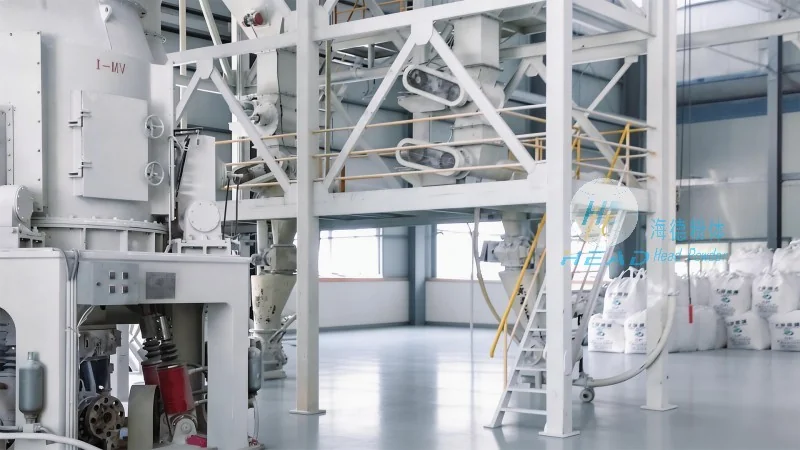
Advantages of Using Resin Pellet Pneumatic Conveying Systems
There are several advantages to implementing resin pellet pneumatic conveying systems. One of the primary benefits is the ability to transport resin pellets over long distances without the need for mechanical conveyors, which can reduce installation costs and space requirements. Additionally, these systems minimize product contamination and degradation, as the material is not in direct contact with other surfaces. They also offer flexibility in system design, allowing for multiple inlet and outlet points to accommodate various production needs.
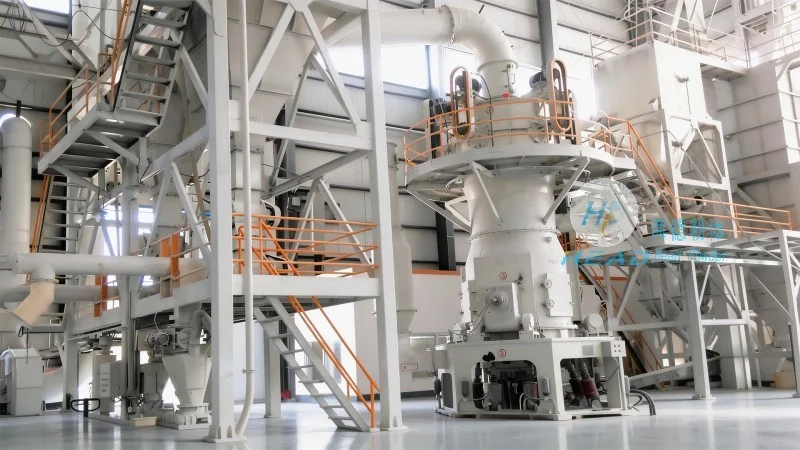
Applications in the Resin Industry
Resin pellet pneumatic conveying systems are widely used in the polymer and resin manufacturing industries. They are particularly beneficial for transporting polyethylene, polypropylene, and other thermoplastic resin pellets. These systems are commonly employed in settings such as resin storage facilities, manufacturing plants, and recycling operations, where efficient material handling is crucial for maintaining production efficiency and product quality.
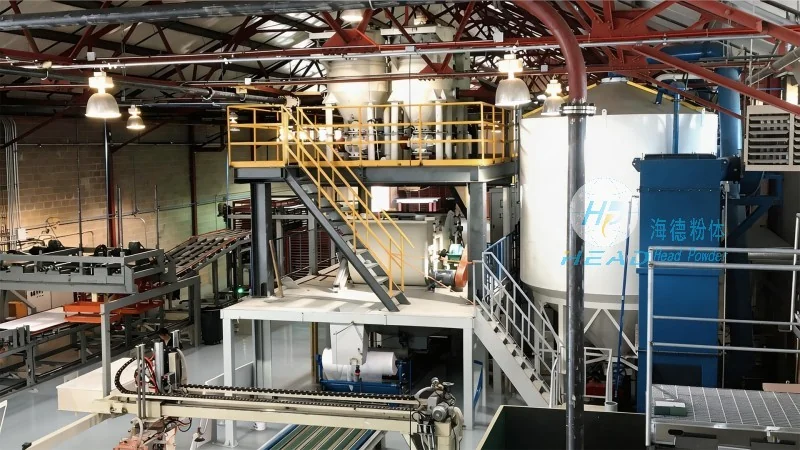
Company Introduction: Shandong HeadPowder Engineering Co., Ltd.
Shandong HeadPowder Engineering Co., Ltd., commonly known as HeadPowder, is a leading provider of engineering solutions for material handling systems. With a focus on innovation and quality, the company specializes in designing and manufacturing pneumatic conveying systems tailored to the needs of various industries. HeadPowder's expertise lies in creating customized solutions that enhance operational efficiency and ensure the safe and efficient transport of materials like resin pellets.
Location and Accessibility
HeadPowder is headquartered in Shandong, China, providing a strategic location for serving clients in the region and beyond. The company's facilities are equipped with advanced technology and skilled personnel, enabling the development of high-quality pneumatic conveying systems. This location also facilitates easy access for clients seeking to visit the facility or collaborate on project development.