

Introduction to Magnesium Hydroxide Conveying Systems and the Advantages of Pneumatic Conveying for
HeadPowder, a leading provider in the field of material handling solutions, specializes in the design, manufacturing, and installation of advanced conveying systems for various industrial applications. This article provides an overview of magnesium hydroxide conveying systems, focusing on the benefits and features of pneumatic conveying technology.
Introduction to Magnesium Hydroxide Conveying Systems
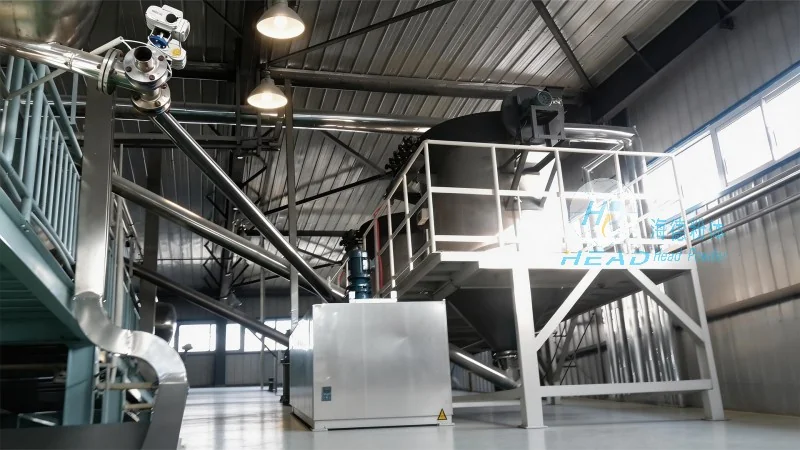
Magnesium hydroxide, commonly used as a flame retardant and in various industrial processes, requires efficient and reliable transportation methods to ensure smooth operation in production lines. Conveying systems are critical for moving this material from storage to processing units, and the choice of system can significantly impact operational efficiency, safety, and cost-effectiveness. HeadPowder's expertise lies in developing tailored conveying solutions that address the unique challenges associated with handling magnesium hydroxide, such as its fine particle size and potential dust generation.
The Advantages of Pneumatic Conveying for Magnesium Hydroxide
Pneumatic conveying, or air-assisted transport, offers several advantages over traditional mechanical conveying methods for magnesium hydroxide. One of the primary benefits is the ability to transport the material in a closed system, which minimizes dust exposure and improves workplace safety. This is particularly important for magnesium hydroxide, as it can create respiratory hazards if not handled properly. Additionally, pneumatic systems allow for the transportation of materials over longer distances and through complex layouts without the need for multiple transfer points, reducing the risk of material degradation and loss.
Another key advantage is the flexibility of pneumatic conveying. These systems can be easily integrated with existing production equipment, and their design can be customized to accommodate varying flow rates and material characteristics. This adaptability makes them suitable for both small-scale and large-scale operations, ensuring that businesses can scale their conveying capabilities as their production needs evolve. Furthermore, pneumatic systems are generally more energy-efficient compared to mechanical systems, as they utilize compressed air to move the material, which can lead to lower operational costs over time.
Key Features of the Conveying System
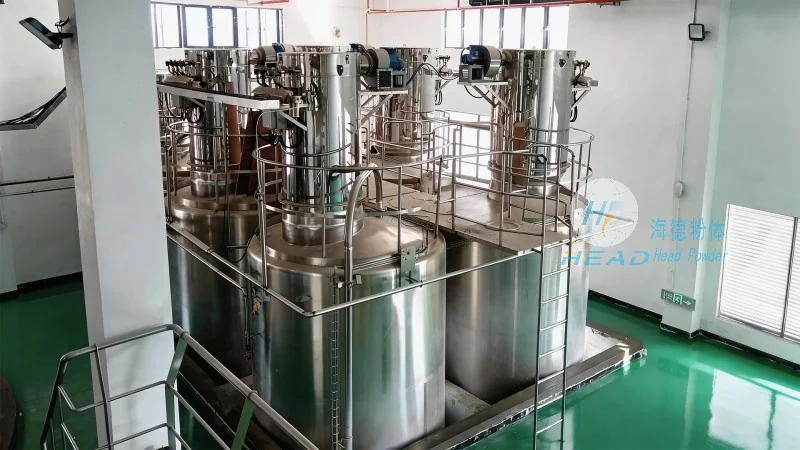
HeadPowder's magnesium hydroxide conveying systems are equipped with several key features that enhance performance and reliability. The systems typically include high-quality material feeders, such as rotary valves or screw feeders, which ensure consistent and controlled material flow into the conveying line. These feeders are designed to handle fine powders without clogging, maintaining a stable feed rate even under varying conditions.
The conveying line itself is constructed from durable materials, such as stainless steel or corrosion-resistant alloys, to withstand the chemical properties of magnesium hydroxide and prevent contamination. The use of high-quality materials ensures the longevity of the system and reduces maintenance requirements. Additionally, the system incorporates advanced control systems that allow for real-time monitoring of flow rates, pressure, and other critical parameters. This enables operators to quickly identify and address any issues, minimizing downtime and maximizing productivity.
Technical Specifications and Application Scenarios
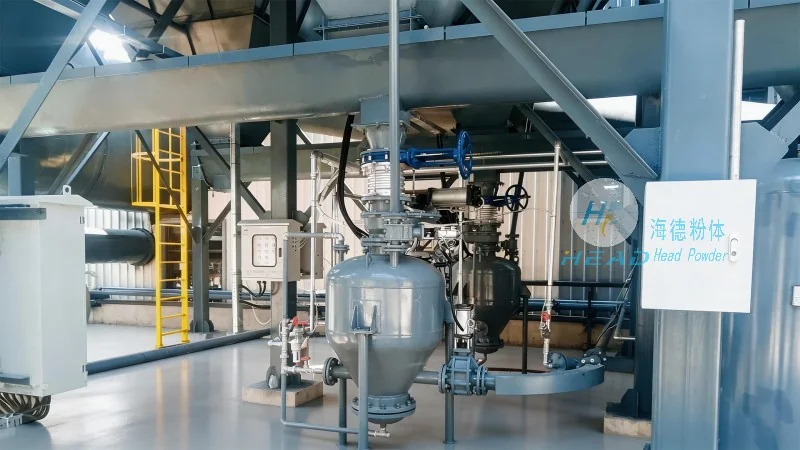
The technical specifications of HeadPowder's magnesium hydroxide conveying systems are tailored to meet the specific requirements of different industrial applications. The systems can handle material flow rates ranging from low to high, depending on the production capacity and the desired throughput. The conveying distance can vary from short distances within a facility to long-distance transport over several hundred meters. The systems are also designed to accommodate different particle sizes and moisture content of magnesium hydroxide, ensuring that they can be used in a wide range of production environments.
These conveying systems are commonly used in industries such as plastics, rubber, and fire retardant manufacturing, where magnesium hydroxide is a key component. They are also suitable for applications in pharmaceuticals and food processing, where material purity and safety are paramount. The systems can be integrated with other processing equipment, such as mixers, extruders, and granulators, to form a complete production line. This integration ensures that the material is handled efficiently from storage to final product, reducing the risk of contamination and improving overall process efficiency.
Company Information and Contact Details
HeadPowder Engineering, based in Shandong, China, is committed to providing high-quality conveying solutions for magnesium hydroxide and other industrial materials. The company's team of experienced engineers and technicians works closely with clients to understand their specific needs and develop customized solutions that meet their operational requirements. HeadPowder's systems are designed to be reliable, efficient, and safe, ensuring that clients can achieve their production goals while maintaining compliance with industry standards and regulations.