Coal ash granular material conveying is a specialized process used in industrial settings to transport coal ash, a byproduct of coal combustion, from one location to another. This method is crucial for efficient waste management and resource utilization in power plants and related facilities. The design principles behind such systems are tailored to handle the unique properties of coal ash, ensuring safe, reliable, and cost-effective operation.
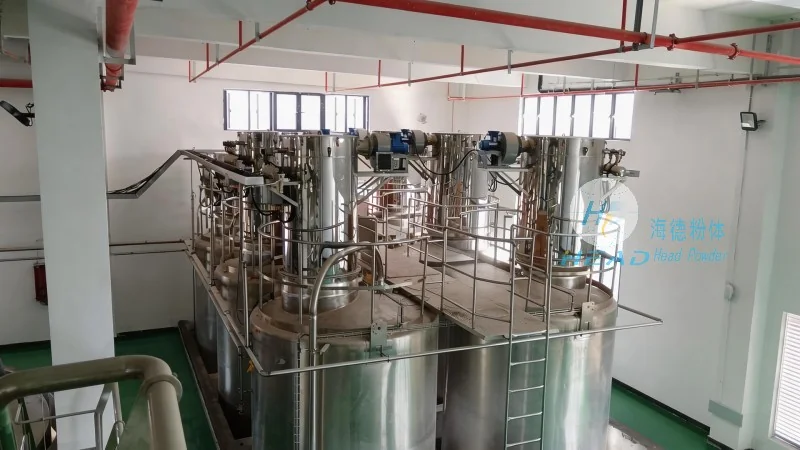
Understanding Coal Ash Granular Material Conveying
Coal ash, also known as fly ash or bottom ash depending on its origin, is a fine, granular material that requires specialized handling due to its abrasive nature and potential for dust generation. Conveying systems for coal ash must address these challenges while maintaining operational efficiency. The process typically involves the use of equipment such as screw conveyors, belt conveyors, or pneumatic systems, each chosen based on the specific characteristics of the ash and the layout of the facility.
Key Design Principles for Coal Ash Conveying Systems
The design of coal ash conveying systems is guided by several critical principles to ensure optimal performance. First, the system must be capable of handling the abrasive properties of coal ash, which can wear down equipment components over time. This often involves the use of high-quality materials, such as stainless steel or special alloys, for conveyor components and wear parts. Second, dust control is a major consideration, as coal ash is a fine particulate that can create health hazards and environmental issues if not properly managed. Enclosed systems with effective dust collection and filtration are commonly employed to mitigate these risks.
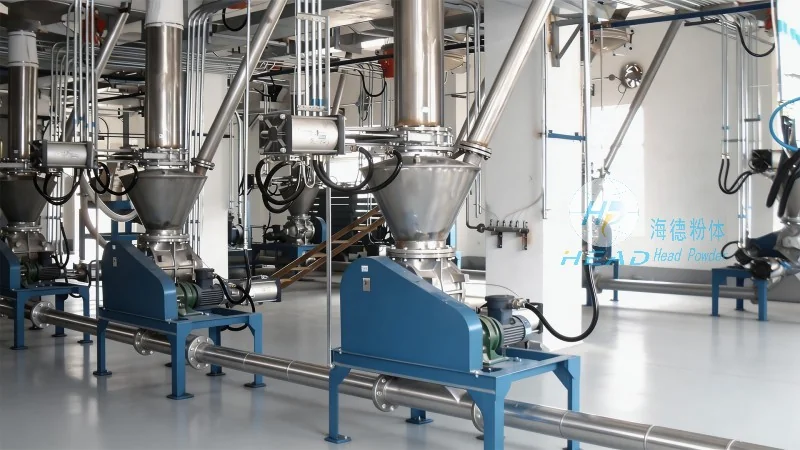
Third, the system must be designed for scalability and adaptability. Power plants may experience changes in ash production or operational requirements, so the conveying system should be able to accommodate varying flow rates and material volumes. This flexibility is achieved through modular components and adjustable speed controls. Fourth, energy efficiency is a key factor in modern design. The use of energy-saving motors, variable frequency drives (VFDs), and optimized system layouts helps reduce operational costs and environmental impact.
Components of a Typical Coal Ash Conveying System
A standard coal ash granular material conveying system consists of several interconnected components. The primary components include the feed hopper, which collects the ash and feeds it into the conveyor; the conveyor itself, which transports the material; and the discharge hopper, which delivers the ash to its final destination. In some systems, a dust collection system is integrated to capture and remove airborne particles, improving safety and compliance with environmental regulations.
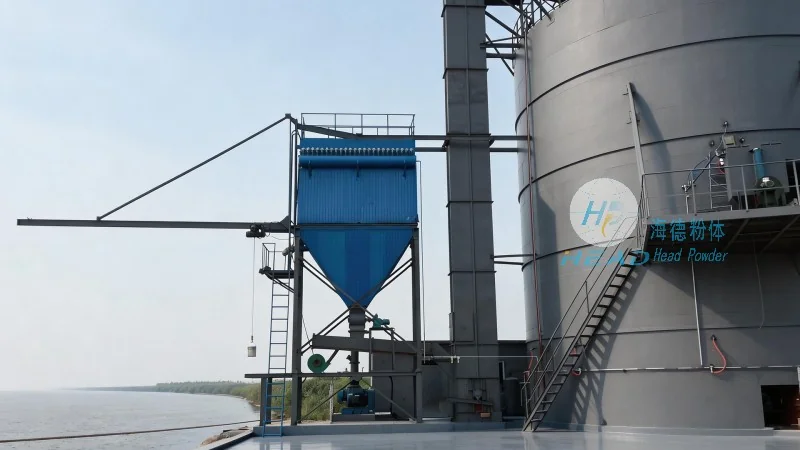
For example, a screw conveyor system may be used for horizontal or slight incline transport, while a belt conveyor is suitable for longer horizontal distances. Pneumatic conveying systems, which use air to transport the ash in a slurry or dry form, are also common in applications where dust control is paramount. Each component is carefully selected and sized to match the specific requirements of the coal ash material and the operational conditions of the facility.
Applications and Benefits of Coal Ash Conveying
Coal ash granular material conveying is widely used in various industrial applications, particularly in power generation and waste management. The primary benefits of such systems include improved operational efficiency, reduced labor costs, and enhanced safety. By automating the transport of coal ash, facilities can minimize manual handling, which reduces the risk of accidents and exposure to hazardous materials.
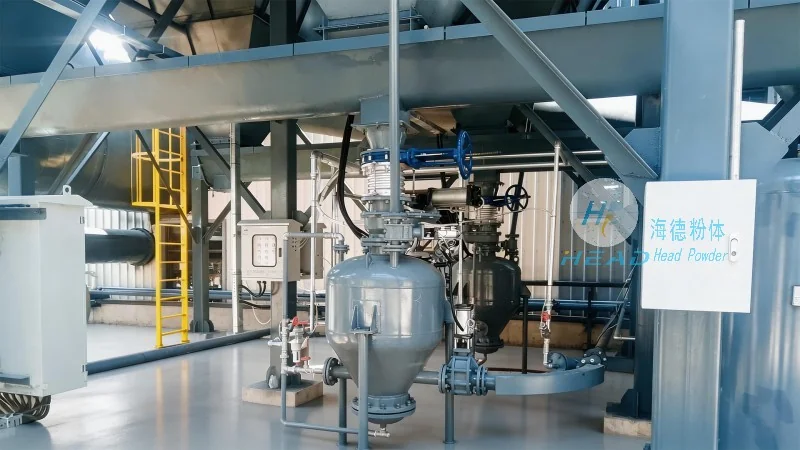
Additionally, efficient conveying systems help in the proper disposal or reuse of coal ash. Many power plants now utilize coal ash as a raw material in cement production or other construction materials, making the conveying process a critical link in the recycling and resource recovery chain. The design principles discussed above ensure that the conveying system supports these applications by providing consistent, reliable transport of the material.
Conclusion
In summary, coal ash granular material conveying is a vital process in industrial operations, supported by well-defined design principles that address the unique challenges of handling coal ash. The systems are designed to be durable, efficient, and safe, ensuring that they can operate reliably over long periods while meeting environmental and operational standards. As technology advances, these systems continue to evolve, incorporating more advanced materials and control systems to further improve performance and sustainability.




