Mineral powder pneumatic conveying is a technology that utilizes air flow to transport powdered materials such as minerals, ores, and other granular substances. This method is widely used in industrial sectors including mining, chemical processing, and food production due to its efficiency and flexibility in material handling. The process involves creating a pressure or vacuum differential to move the powder through a pipeline system, ensuring safe and effective transport without the need for mechanical components like belts or buckets. This technology is provided by Shandong HeadPowder Engineering Co., Ltd., a leading company based in China, specializing in engineering solutions for material handling systems.
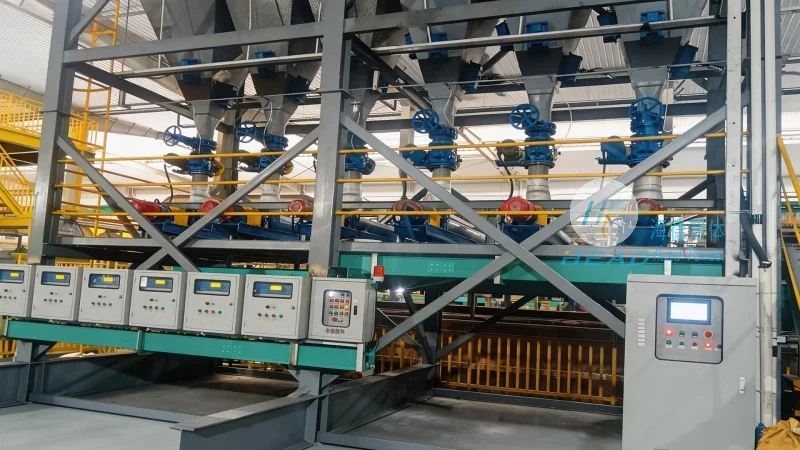
Working Principle of Mineral Powder Pneumatic Conveying
The core principle of mineral powder pneumatic conveying is based on the interaction between air and the solid particles. There are two main types of systems: pressure and vacuum. In a pressure system, air is compressed and forced through the pipeline, carrying the powder particles along. Conversely, a vacuum system creates a low-pressure environment that draws the powder into the pipeline. The velocity of the air flow is critical; it must be sufficient to overcome the gravitational and frictional forces acting on the particles to prevent clogging and ensure smooth transport. The design of the system, including the size of the pipeline, the air velocity, and the particle size distribution, directly impacts the conveying efficiency and system performance.
Classification of Mineral Powder Pneumatic Conveying Systems
Mineral powder pneumatic conveying systems can be classified based on several factors, including the method of air supply, the conveying pressure, and the application requirements. The primary classifications are pressure conveying, vacuum conveying, and mixed conveying systems.
Pressure conveying systems are commonly used for long-distance and high-capacity transport. They operate at pressures above atmospheric, typically ranging from 0.5 to 10 bar. These systems are suitable for transporting large quantities of material over distances of several hundred meters. The high pressure ensures that the material is moved efficiently without the need for multiple transfer points. However, they require robust equipment and higher energy input compared to vacuum systems.
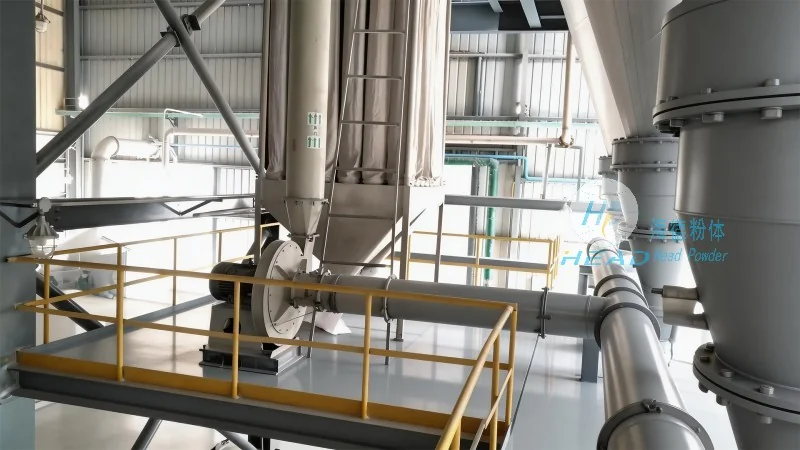
Vacuum conveying systems, on the other hand, operate at pressures below atmospheric, often around 0.1 to 0.5 bar. These systems are ideal for short-distance transport and handling of fine powders that are prone to dust generation. They are commonly used in applications such as loading hoppers, feeding mixers, and transporting materials from low-level sources. The lower pressure reduces the risk of material degradation and makes the system more suitable for sensitive products.
Mixed conveying systems combine elements of both pressure and vacuum systems. They use a combination of positive and negative pressure to optimize the conveying process. For example, a system might use a vacuum to draw the material into the pipeline and then switch to a pressure boost to transport it over longer distances. This hybrid approach allows for greater flexibility and can be tailored to specific operational needs, such as varying material types or transport distances.
Key Components and Their Functions in Pneumatic Conveying Systems
Several key components are essential for the proper operation of mineral powder pneumatic conveying systems. These include the air compressor or vacuum pump, the pipeline network, the feeders, the control valves, and the dust collection systems.
The air compressor or vacuum pump is responsible for generating the necessary air flow. In pressure systems, a positive displacement compressor is typically used to deliver high-pressure air. In vacuum systems, a rotary vane or roots blower is common. The choice of compressor depends on the system's pressure requirements and the material being conveyed. The pipeline network consists of straight sections and fittings such as elbows, tees, and reducers. The diameter of the pipeline is critical; it must be large enough to prevent excessive pressure drop and particle deposition. The feeders, such as rotary valves or star feeders, control the flow rate of the material into the pipeline, ensuring a consistent and controlled feed. These components are designed and manufactured by Shandong HeadPowder Engineering Co., Ltd., ensuring high-quality and reliable performance for industrial applications.
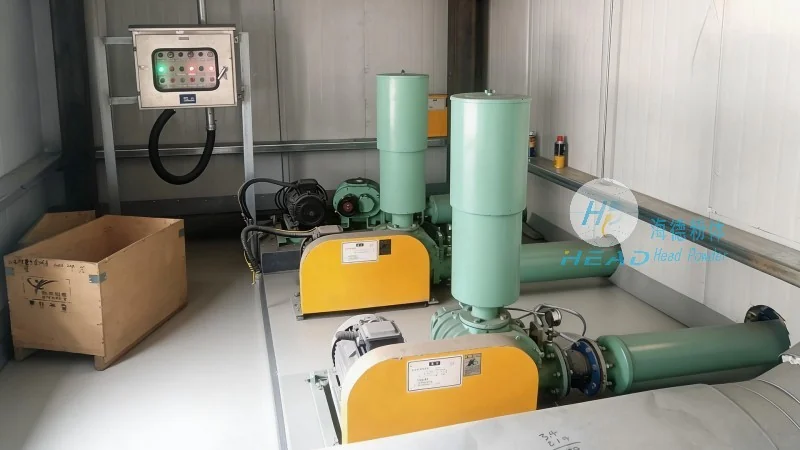
Control valves, including check valves and flow control valves, regulate the air flow and prevent backflow, which can cause clogging or damage to the system. The dust collection system, often a cyclone or baghouse, removes fine particles from the exhaust air, ensuring compliance with environmental regulations and protecting the equipment from wear and tear. Proper maintenance of these components is crucial for the longevity and efficiency of the system.
Applications of Mineral Powder Pneumatic Conveying
Mineral powder pneumatic conveying is applied in a wide range of industrial processes. In the mining industry, it is used to transport ore from mines to processing plants, reducing the need for heavy machinery and labor. In chemical processing, it facilitates the handling of raw materials and intermediates, improving safety and reducing contamination risks. The food industry utilizes pneumatic conveying for transporting powders like flour, sugar, and spices, maintaining product quality and hygiene. Additionally, in the pharmaceutical sector, it is employed to handle sensitive powders, ensuring that the material remains uncontaminated and free from moisture.
The versatility of pneumatic conveying makes it suitable for various applications, from small-scale laboratory operations to large-scale industrial plants. The ability to transport materials in a closed system also minimizes dust exposure, enhancing workplace safety and environmental protection. As a result, many industries have adopted pneumatic conveying as a preferred method for material handling due to its efficiency, reliability, and adaptability. Shandong HeadPowder Engineering Co., Ltd. provides comprehensive solutions for these applications, ensuring that clients receive tailored systems that meet their specific operational needs and regulatory requirements.




