HeadPowder, a leading provider in the field of material handling solutions, specializes in the design, manufacturing, and implementation of advanced pneumatic conveying systems for various industrial applications. This article provides an in-depth exploration of the principles underlying borax pneumatic conveying, along with a detailed classification of its applications across different industries.
Introduction to Borax Pneumatic Conveying
Borax, also known as sodium tetraborate, is a white crystalline powder widely used in industries such as glass manufacturing, detergents, and chemical production. The efficient and reliable transport of borax from storage to processing units is crucial for maintaining production efficiency and product quality. Pneumatic conveying offers a solution to this challenge by utilizing air or gas as the conveying medium to move the material through a pipeline system.
Working Principles of Pneumatic Conveying Systems
The core principle of pneumatic conveying involves the use of a pressurized or vacuum system to transport bulk materials like borax. There are two primary types of pneumatic conveying systems: dilute-phase and dense-phase. Dilute-phase systems operate at higher velocities, typically 20-30 meters per second, and are suitable for short-distance transport with low material concentration. Dense-phase systems, on the other hand, use lower velocities (5-15 meters per second) and higher pressure to move material in a more concentrated form, reducing the risk of material degradation and pipeline blockages.
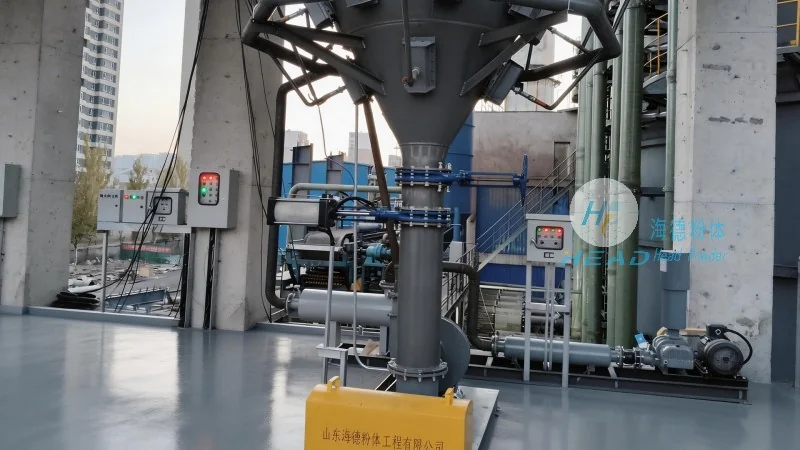
In a typical borax pneumatic conveying system, the process begins with the material being fed into a hopper or feeder. From there, it is introduced into a pipeline where it is mixed with air or gas under controlled pressure. The air stream carries the borax particles through the pipeline to the destination point, such as a storage silo or processing equipment. The system may include components like rotary valves, airlocks, and filters to ensure smooth operation and prevent material loss or contamination.
Classification of Pneumatic Conveying Applications for Borax
Borax pneumatic conveying systems are categorized based on the type of application and the specific requirements of the industrial process. The main classifications include:
1. Dilute-Phase Conveying for Short-Distance Transport
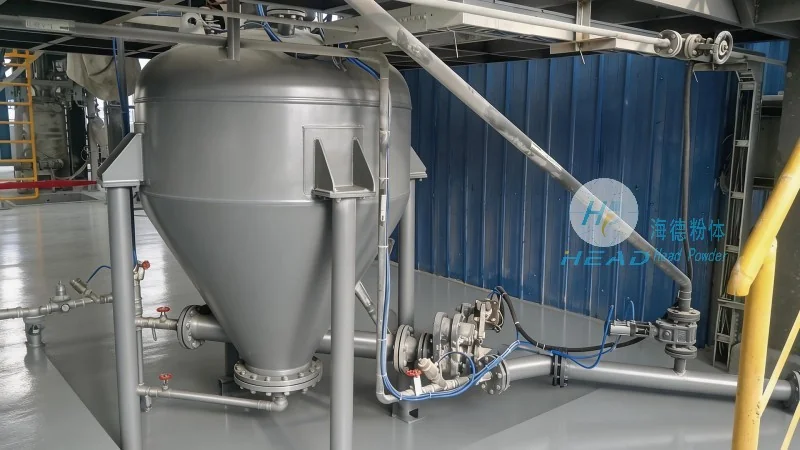
This type of system is commonly used in applications where the distance between the source and destination is relatively short, typically less than 100 meters. Dilute-phase conveying is ideal for transporting borax in a fine powder form without the need for high-pressure equipment. It is often employed in scenarios where the material is to be delivered to a nearby processing unit or storage area. The system operates by maintaining a low material concentration in the air stream, which helps to minimize the risk of clogging and ensures consistent flow rates.
2. Dense-Phase Conveying for Long-Distance and High-Pressure Transport
For applications requiring longer distances or higher material concentrations, dense-phase pneumatic conveying is preferred. This method is particularly suitable for transporting borax over distances of up to several hundred meters or more. Dense-phase systems use higher pressure and lower air velocities to move the material in a more compact form, reducing the likelihood of particle degradation and ensuring a stable flow. This type of conveying is often used in industrial settings where the material needs to be transported to a remote processing facility or a large storage silo.
3. Vacuum Conveying for Material Recovery and Transfer
Vacuum conveying systems are used in applications where the material needs to be transferred from a lower elevation to a higher one or when the material is to be recovered from a process or a storage area. This method is particularly effective for handling borax in a fine powder form, as it can efficiently collect and transport the material without the need for mechanical feeders. Vacuum conveying is often used in scenarios where the material is to be transferred from a hopper or a storage bin to a processing unit, ensuring minimal material loss and consistent flow.
Key Factors Influencing Borax Pneumatic Conveying Performance
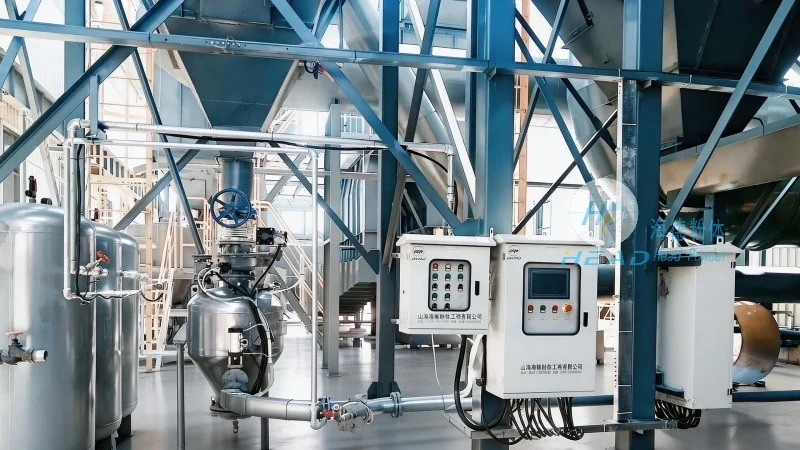
The effectiveness of a borax pneumatic conveying system depends on several key factors, including the particle size and density of the borax, the air velocity and pressure, and the pipeline design. Proper system design and maintenance are crucial to ensure optimal performance and minimize operational issues. For instance, the particle size of borax can affect the air velocity required for efficient transport; finer particles may require higher velocities to prevent clogging. Similarly, the density of the material influences the pressure needed to maintain a stable flow. Additionally, the pipeline diameter and length must be carefully selected to match the material flow rate and prevent excessive pressure drop.
Benefits of Implementing Borax Pneumatic Conveying Systems
Adopting pneumatic conveying systems for borax transport offers several advantages over traditional methods such as belt conveyors or bucket elevators. These benefits include:
1. Improved Material Handling Efficiency
Pneumatic conveying systems allow for continuous and automated material transport, reducing the need for manual handling and increasing overall production efficiency. The system can operate 24/7 without the need for frequent maintenance or downtime, ensuring a steady supply of borax to the processing units.
2. Reduced Material Loss and Contamination
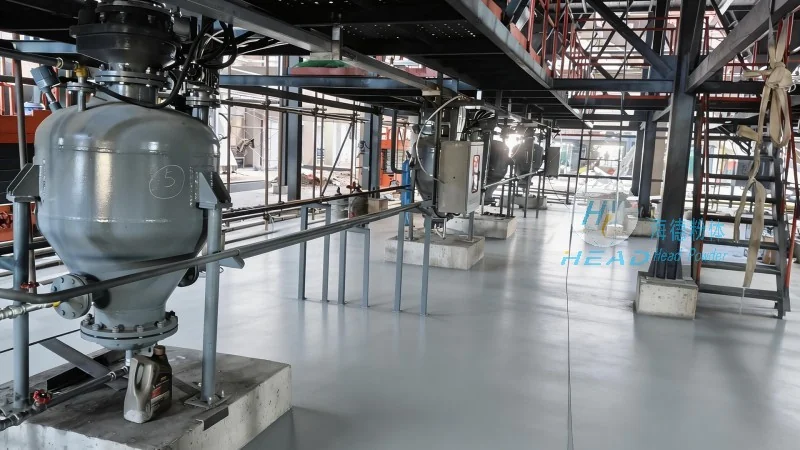
Unlike traditional methods that may involve material spillage or exposure to the environment, pneumatic conveying systems keep the material enclosed within the pipeline, minimizing the risk of contamination and loss. This is particularly important for borax, which is a high-value material and may be susceptible to moisture or other environmental factors.
3. Enhanced Safety and Environmental Protection
Pneumatic conveying systems eliminate the need for open-air handling of borax, reducing the risk of dust exposure and improving workplace safety. The enclosed system also helps to prevent environmental contamination, as the material is not released into the atmosphere during transport.
4. Flexibility and Adaptability
Borax pneumatic conveying systems can be easily adapted to different production requirements and can be integrated with existing equipment or processes. This flexibility allows companies to scale their operations and meet changing market demands without significant modifications to the conveying system.
Conclusion
HeadPowder, with its expertise in material handling solutions, provides comprehensive pneumatic conveying systems tailored to the specific needs of borax processing industries. By understanding the principles of pneumatic conveying and the classification of its applications, companies can optimize their material transport processes, improve efficiency, and enhance product quality. The implementation of advanced pneumatic conveying systems not only addresses the challenges of borax transport but also contributes to overall operational excellence and sustainability in industrial settings.




