Release time:2026-09-14 10:40:42
name of the company:Shandong Headpowder Engineering Co., Ltd.
telephone:156-6277-7102
contacts:Zhang manager
When it comes to transporting glass particles, the choice of a pneumatic conveying system can significantly impact operational efficiency and maintenance costs. A common challenge in such systems is pipeline blockage, which can lead to production downtime and increased repair expenses. Understanding how to prevent these blockages and the key design parameters involved is crucial for optimizing the performance of glass particle transport systems.
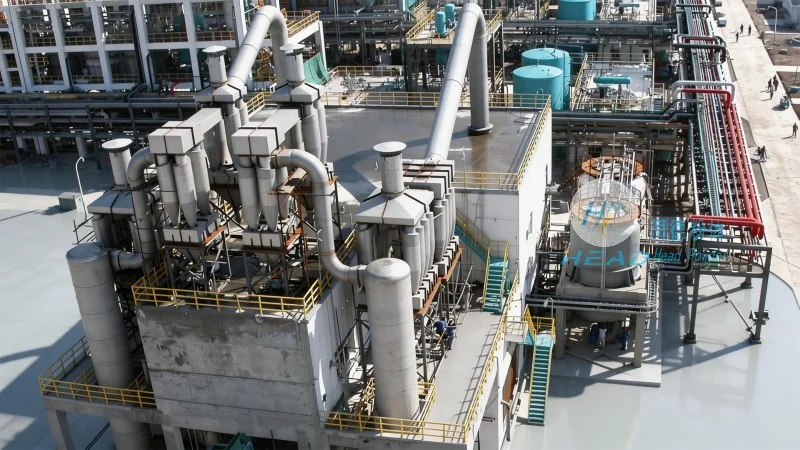
About HeadPowder Engineering
Shandong HeadPowder Engineering Co., Ltd., commonly known as HeadPowder, is a leading provider of specialized engineering solutions for material handling and conveying systems. With a strong presence in China, particularly in Shandong, the company has built a reputation for delivering reliable and efficient pneumatic conveying solutions tailored to the unique demands of glass particle processing industries.
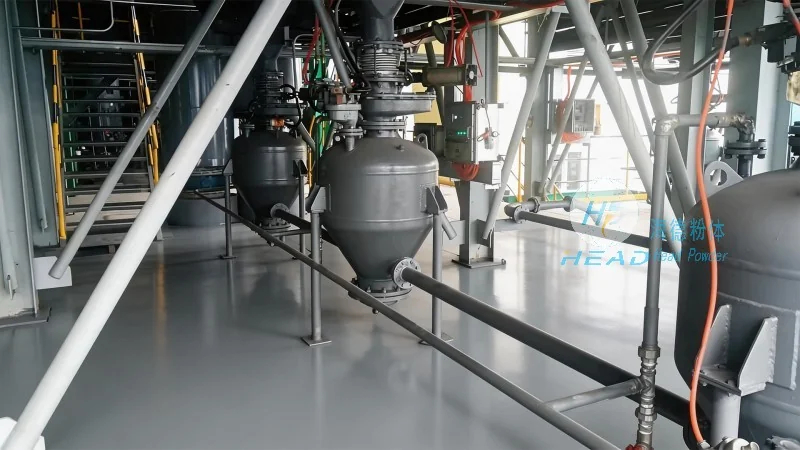
Preventing Pipeline Blockages in Glass Particle Pneumatic Conveying
Preventing pipeline blockages in pneumatic conveying systems for glass particles requires a comprehensive approach that addresses both system design and operational practices. Key factors include the selection of appropriate air velocity, particle size distribution, and system configuration. High air velocity is essential to maintain particle suspension and prevent settlement, while ensuring the system's components are designed to handle the abrasive nature of glass particles.
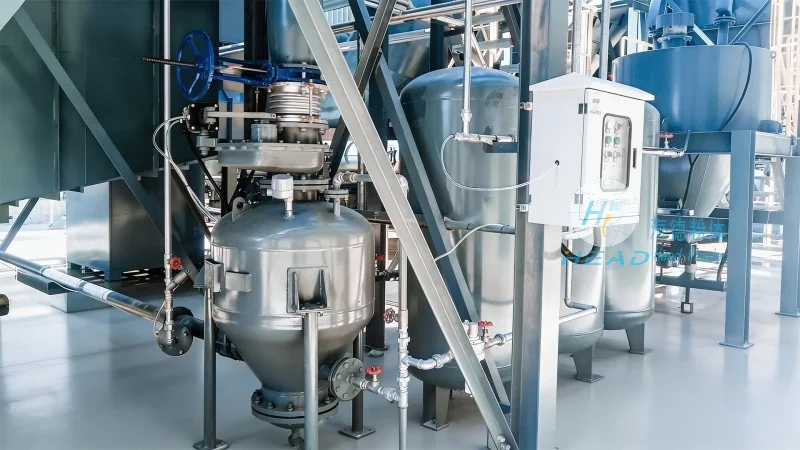
Key Design Parameters for Efficient Glass Particle Transport
Several critical design parameters must be carefully considered when designing a pneumatic conveying system for glass particles. These parameters include the system's pressure or vacuum level, the type of conveying line (e.g., dilute-phase or dense-phase), and the selection of suitable materials for components such as pipes, valves, and filters. The particle size and density of the glass material also play a significant role, as they affect the required air flow rates and system pressure. Additionally, the system's layout, including the number of bends and the length of the conveying line, impacts the risk of blockage and must be optimized to minimize friction and particle accumulation.
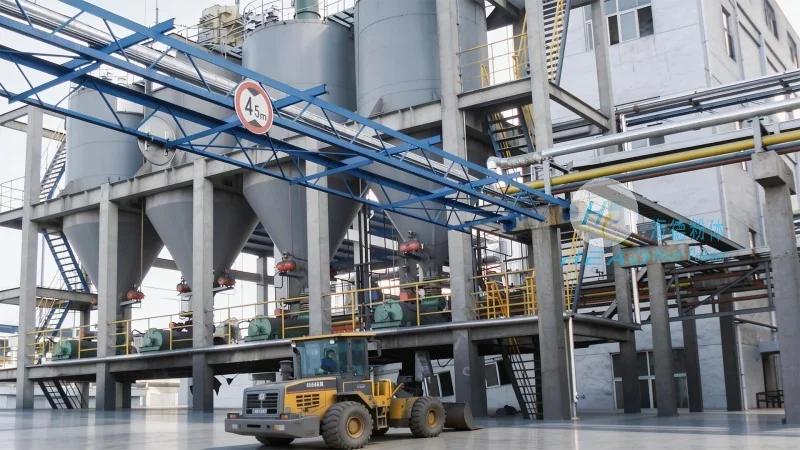
Material Handling Considerations for Glass Particles
Glass particles are known for their abrasive properties, which can lead to wear and tear on system components if not properly managed. Therefore, selecting materials with high wear resistance, such as stainless steel or specialized alloys, is essential for extending the lifespan of the conveying system. Furthermore, incorporating effective filtration systems is crucial to prevent glass particles from clogging filters and reducing system efficiency. Regular maintenance and monitoring of the system's performance are also vital to detect and address potential blockage issues before they escalate.




