For industrial applications involving the transport of calcium lime powder, the selection and configuration of a pneumatic conveying system are critical to ensure efficient and reliable material handling. A common challenge in such systems is the risk of pipeline blockages, which can lead to operational downtime and increased maintenance costs. Understanding the key design parameters that mitigate these risks is essential for optimizing system performance and longevity.
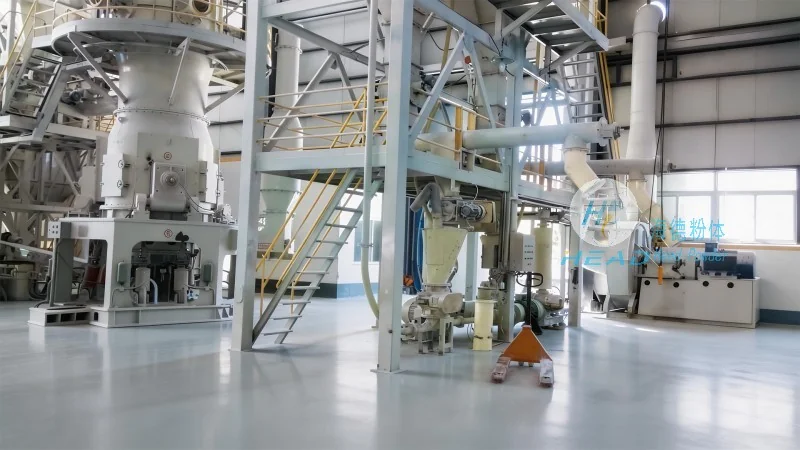
Introduction to Pneumatic Conveying Systems for Calcium Lime Powder
Pneumatic conveying systems utilize air or gas to transport bulk materials like calcium lime powder through a network of pipes. These systems are widely adopted in industries such as construction, agriculture, and chemical processing due to their flexibility and ability to handle materials that are difficult to convey via mechanical means. However, the abrasive and cohesive nature of calcium lime powder can pose significant challenges, making it crucial to implement proper design strategies to prevent blockages.
Key Design Parameters to Prevent Pipeline Blockages
Several design parameters play a pivotal role in minimizing the risk of pipeline blockages in pneumatic conveying systems for calcium lime powder. These parameters include the system type (e.g., dilute-phase or dense-phase), air velocity, material flow rate, and the selection of appropriate pipe diameters and materials. Each of these factors must be carefully considered to ensure the system operates within optimal conditions.
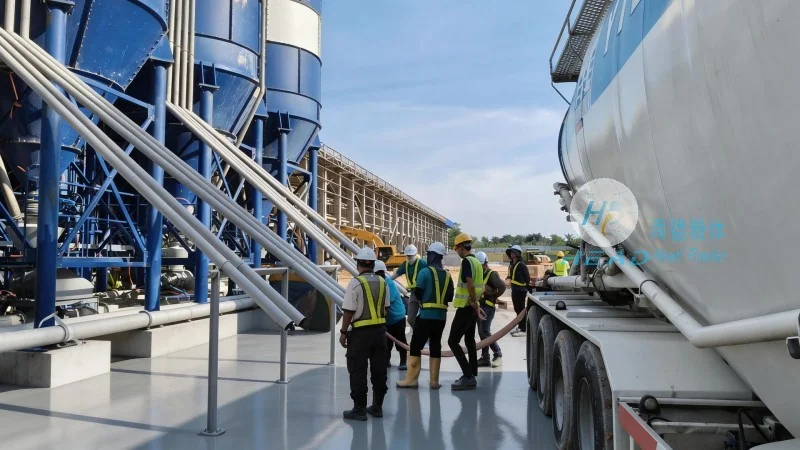
Firstly, the choice between dilute-phase and dense-phase conveying systems is a critical decision. Dilute-phase systems operate at higher air velocities, typically above 20 m/s, and are suitable for materials with low bulk density and good flow characteristics. In contrast, dense-phase systems use lower air velocities (around 5-10 m/s) and higher material-to-air ratios, which are ideal for handling cohesive or abrasive materials like calcium lime powder. The selection of the appropriate system type directly impacts the likelihood of blockages, as dense-phase systems are generally more effective at preventing material agglomeration.
Secondly, air velocity is a key parameter that influences the flow of calcium lime powder through the pipeline. Insufficient air velocity can lead to material settling and blockages, while excessively high velocities may cause erosion of the pipe walls and energy inefficiency. For calcium lime powder, an optimal air velocity range is typically determined based on the material's bulk density, particle size distribution, and the desired conveying distance. Engineers often conduct pilot tests to identify the precise air velocity that maintains a smooth, unobstructed flow.
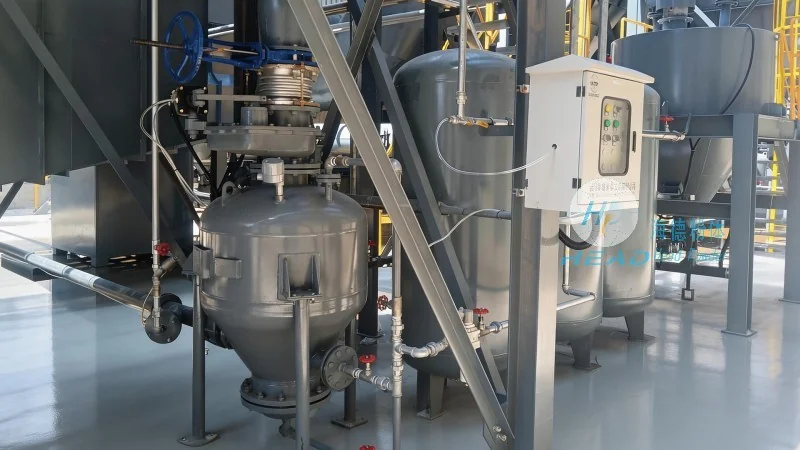
Thirdly, the material flow rate must be matched to the system's capacity to avoid overloading the pipeline. Overloading occurs when the material feed rate exceeds the system's ability to transport it, leading to accumulation and blockages. Proper sizing of the feed hopper and control mechanisms, such as rotary valves or feeders, is essential to regulate the flow rate and maintain a consistent material supply. Additionally, the use of inline mixers or agitators can help break up any agglomerates that may form during transport, reducing the risk of blockages.
Fourthly, pipe diameter and material selection are critical design considerations. Larger pipe diameters reduce the frictional resistance and allow for lower air velocities, which can minimize the risk of blockages. However, excessively large diameters may increase system costs and energy consumption. The material of the pipe, such as stainless steel or polyethylene, must be chosen to resist corrosion and abrasion from calcium lime powder, which can cause wear and potential blockage points over time.
Role of HeadPowder in Design and Implementation
Shandong HeadPowder Engineering Co., Ltd., a leading provider of pneumatic conveying solutions, specializes in designing and manufacturing systems tailored to the unique challenges of calcium lime powder transport. With years of experience in the industry, HeadPowder employs advanced engineering principles to ensure that their systems meet the highest standards of efficiency and reliability. The company's expertise lies in integrating the key design parameters discussed above into comprehensive solutions that prevent pipeline blockages and optimize material handling processes.
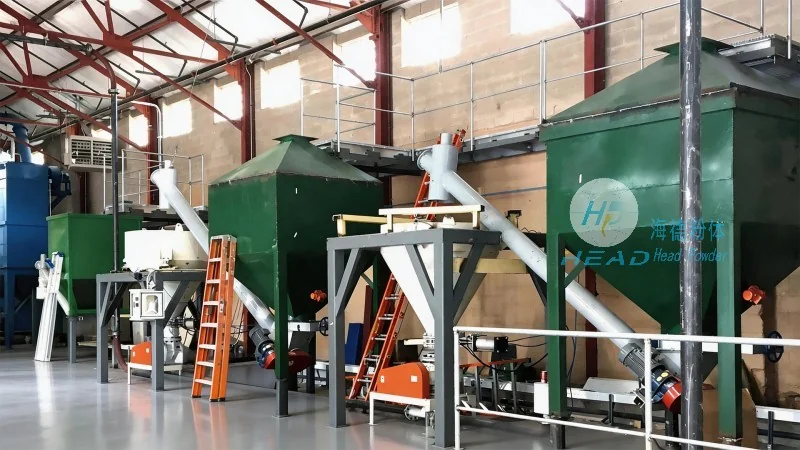
HeadPowder's approach involves a thorough analysis of the material properties, operational requirements, and site conditions to develop customized pneumatic conveying systems. This includes conducting material testing to determine the appropriate air velocity, flow rate, and pipe specifications. By leveraging their technical knowledge and state-of-the-art equipment, HeadPowder ensures that each system is optimized for the specific application, reducing the risk of blockages and minimizing operational disruptions.
Conclusion
Preventing pipeline blockages in pneumatic conveying systems for calcium lime powder requires a systematic approach that considers multiple design parameters. By selecting the appropriate system type, maintaining optimal air velocity, controlling material flow rates, and using suitable pipe materials, operators can significantly reduce the risk of blockages and enhance system performance. As a trusted partner in the industry, Shandong HeadPowder Engineering Co., Ltd. offers expert solutions that address these challenges, ensuring reliable and efficient material transport for their clients.




