

Choosing Positive Pressure or Negative Pressure for Thermoplastic Polyurethane Pneumatic Conveying?
Thermoplastic polyurethane (TPU) is a versatile material widely used in various industrial applications due to its excellent flexibility, abrasion resistance, and chemical stability. When it comes to handling TPU powders or granules, pneumatic conveying systems offer an efficient and cost-effective solution. However, selecting the appropriate conveying method—whether positive pressure or negative pressure—is crucial for ensuring optimal performance, material integrity, and operational efficiency. This article explores the key differences between positive and negative pressure systems, helping you make an informed decision for your TPU handling needs.
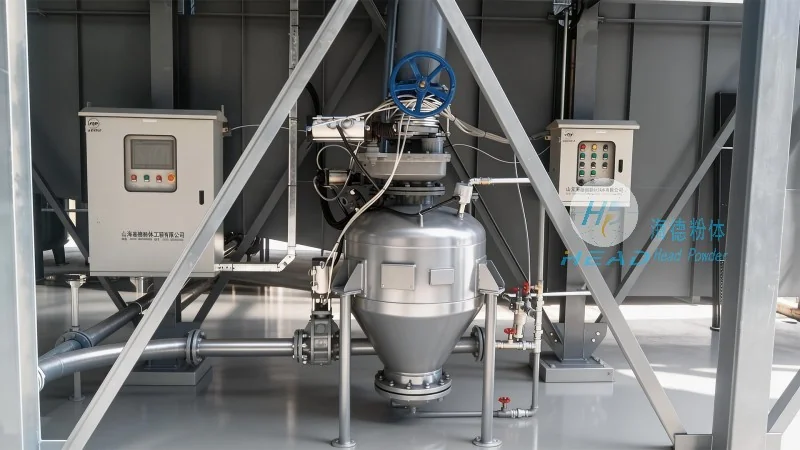
Understanding Positive Pressure vs. Negative Pressure Conveying
At the core of pneumatic conveying are two primary methods: positive pressure and negative pressure. Both systems use air to transport materials, but they operate on opposite principles, which significantly impacts system design, material handling, and overall performance.
Key Differences Between Positive and Negative Pressure Systems
Positive pressure systems, also known as pressure conveying, operate by blowing air into the conveying line, creating a higher pressure inside the system compared to the ambient environment. This method is particularly effective for transporting materials over longer distances or through complex piping networks. The high pressure ensures that the material is continuously pushed through the system, reducing the risk of clogging and improving material flow consistency. In contrast, negative pressure systems, or vacuum conveying, work by creating a lower pressure inside the conveying line, drawing material from the source into the system using suction. This approach is often preferred for shorter conveying distances and for applications where dust containment is critical.
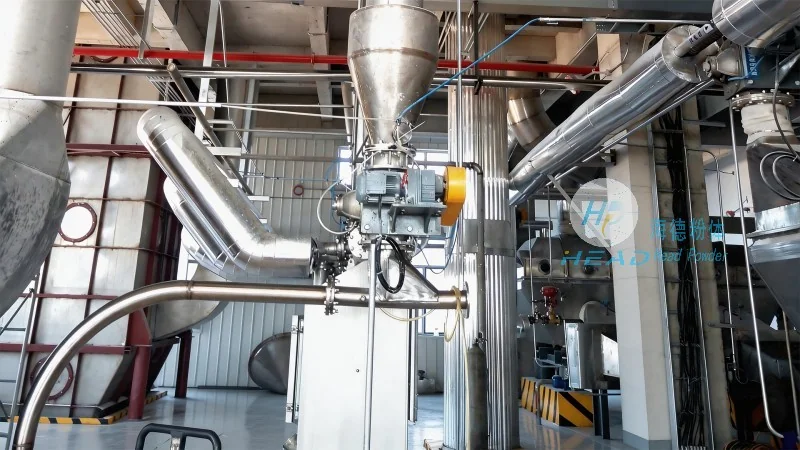
Factors to Consider When Choosing the Right Conveying Method
When deciding between positive and negative pressure for TPU pneumatic conveying, several factors must be evaluated. The first consideration is the distance and layout of the conveying system. Positive pressure is generally more suitable for longer runs or when the material needs to be transported through multiple turns and fittings. Negative pressure, on the other hand, is ideal for shorter distances and when the material is to be collected from a hopper or silo. Another critical factor is the material's properties. TPU powders and granules are often lightweight and can be prone to static electricity, which may affect the conveying efficiency. Positive pressure systems can help mitigate issues related to material flow by maintaining consistent pressure, while negative pressure systems may require additional measures, such as anti-static additives or grounding, to prevent material buildup and ensure smooth transport.
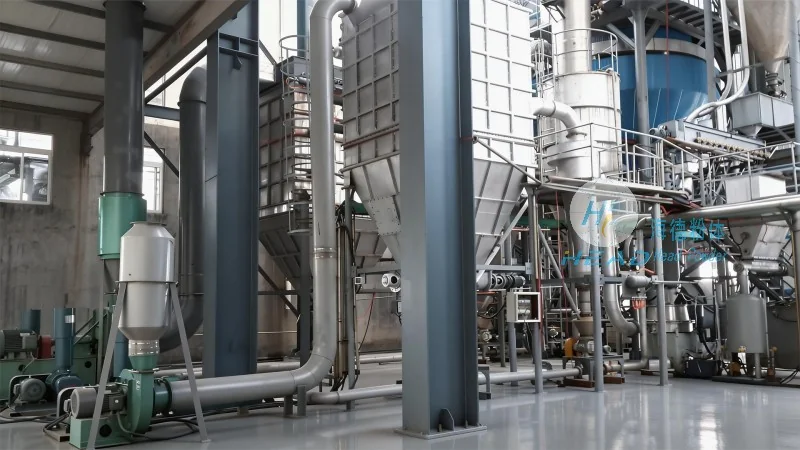
Application Examples and Practical Considerations
Real-world applications of TPU pneumatic conveying vary widely. For instance, in the automotive industry, TPU is used in manufacturing parts like seat cushions and interior components. Positive pressure systems are often employed to transport TPU granules from storage silos to processing machines, especially when the production line spans multiple floors or requires complex routing. In contrast, negative pressure systems may be preferred in food processing facilities where TPU is used for packaging materials, as they provide better containment and reduce the risk of cross-contamination. Additionally, the choice of system can impact maintenance and operational costs. Positive pressure systems typically require more robust components, such as high-pressure blowers and durable piping, which may increase initial investment but offer lower maintenance costs over time. Negative pressure systems, while potentially less expensive upfront, may need more frequent cleaning and maintenance to prevent dust accumulation and ensure efficient operation.
About HeadPowder Engineering Co., Ltd.
HeadPowder Engineering Co., Ltd., a leading provider of pneumatic conveying solutions, specializes in designing and manufacturing systems tailored to the unique needs of thermoplastic polyurethane applications. With years of experience in the industry, HeadPowder offers comprehensive services, including system design, installation, and maintenance, ensuring that clients achieve optimal performance and reliability. HeadPowder's expertise in both positive and negative pressure systems allows them to provide customized solutions that meet specific operational requirements, whether for short or long-distance conveying, material handling, or process integration. Based in Shandong, China, HeadPowder is committed to delivering high-quality, efficient, and cost-effective pneumatic conveying systems that enhance productivity and material integrity for their clients.