

Analysis of White Clay Powder Pneumatic Conveying Technology: Comparison of Positive and Negative Pr
White clay powder, a critical raw material in industries such as papermaking, pharmaceuticals, and cosmetics, demands efficient and reliable material handling solutions. Pneumatic conveying technology has become a preferred method for transporting white clay powder due to its ability to handle fine powders with minimal dust and contamination. This article provides an in-depth analysis of pneumatic conveying systems for white clay powder, focusing on the comparison between positive pressure and negative pressure modes, along with insights into application considerations and best practices.
Pneumatic Conveying Fundamentals for White Clay Powder
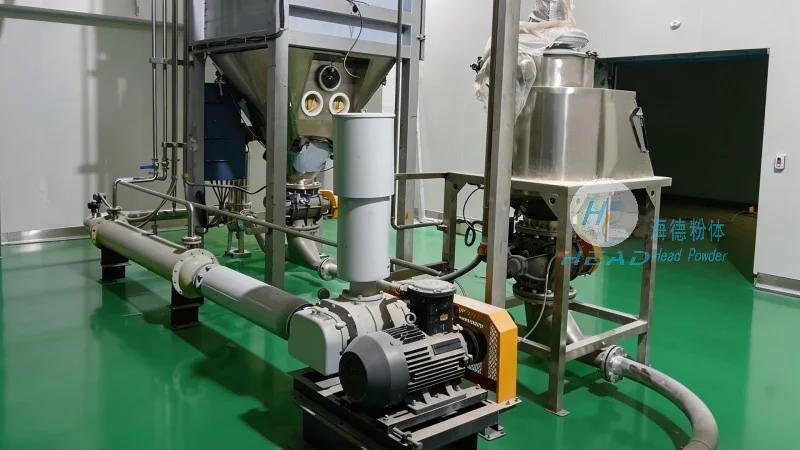
Pneumatic conveying involves transporting bulk materials using air or gas as the conveying medium. The two primary modes are positive pressure (pressure) and negative pressure (vacuum) systems. Understanding these fundamentals is essential for selecting the most suitable system for white clay powder applications. Positive pressure systems operate by blowing air into the conveying line, while negative pressure systems use suction to draw material in. Each mode has distinct characteristics that influence suitability for different operational needs.
Positive Pressure Pneumatic Conveying Systems
Positive pressure systems, or pressure conveying systems, are widely used for long-distance and high-capacity white clay powder transport. These systems employ a blower or compressor to generate pressure within the conveying line, pushing material forward. Key features include high conveying velocities for efficient long-distance transport and the ability to handle diverse particle sizes and moisture content. The system typically consists of a hopper, rotary valve, conveying line, and receiver. Positive pressure ensures continuous material flow, reducing blockage risk. For fine, abrasive white clay powder, specialized components like flexible hoses or metal pipes may be required to prevent wear. Pressure control is critical to avoid material degradation or equipment damage, with regular maintenance essential for optimal performance.
Negative Pressure (Vacuum) Pneumatic Conveying Systems
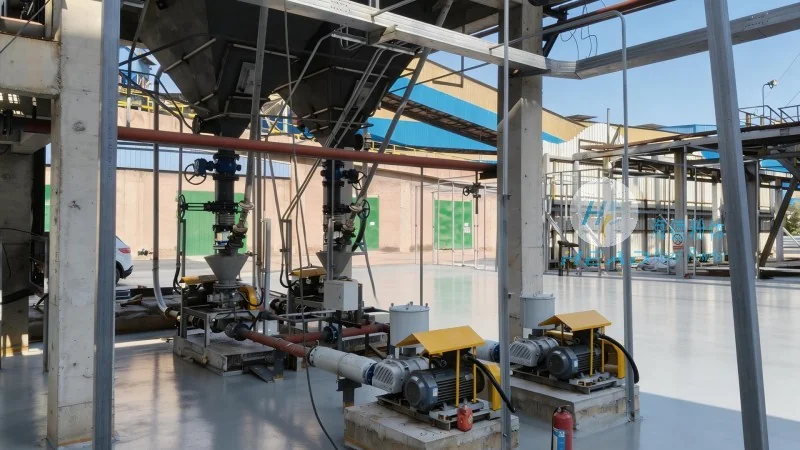
Negative pressure systems, or vacuum conveying systems, operate by creating a vacuum in the line to draw material from the source. These are ideal for low-level sources or applications requiring minimal pressure at the source. The system includes a vacuum pump, hopper, rotary valve, and receiver. The vacuum pump pulls air and material into the line. Conveying velocity is lower than in positive systems, affecting throughput but improving energy efficiency for short to medium distances. Vacuum systems handle sensitive materials like white clay powder gently, reducing degradation risk. Design considerations include suction capacity and backflow prevention, as these impact efficiency.
Comparative Analysis of Positive vs. Negative Pressure Modes
When comparing positive and negative pressure systems for white clay powder, factors like conveying capacity, distance, and energy efficiency come into play. Positive pressure systems excel in high throughput and long distances, suitable for abrasive or high-density materials. Negative pressure systems offer energy savings and gentler handling for sensitive materials or low-level sources. The choice depends on operational requirements: long lines and high throughput favor positive pressure, while short lines and sensitive materials may benefit from vacuum systems.
Application Considerations and Best Practices
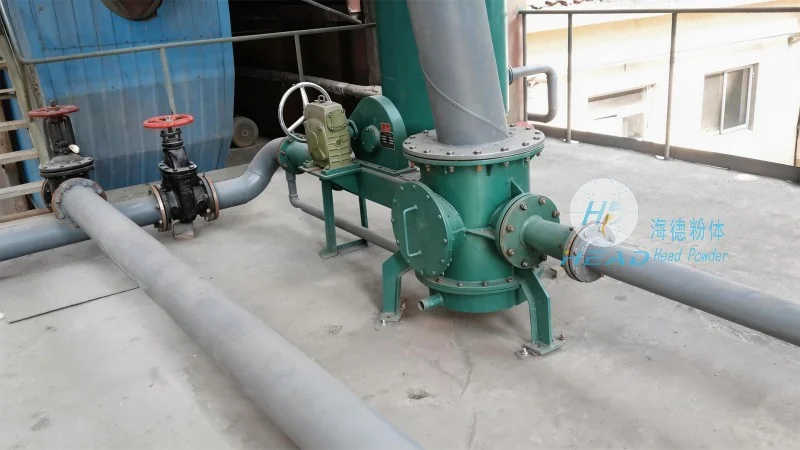
Implementing an effective pneumatic conveying system for white clay powder requires evaluating material characteristics (particle size, density, moisture), conveying distance, and environmental safety. Fine powders may need higher air velocity to prevent settling. Long-distance transport favors positive pressure, while short or low-level source applications benefit from vacuum systems. Noise and dust control are critical, with proper sealing and dust collection essential. Regular maintenance, including line inspections and component replacement, ensures consistent performance. Adjusting air pressure or vacuum levels as needed maintains optimal operation.
About Shandong HeadPowder Engineering Co., Ltd.
Shandong HeadPowder Engineering Co., Ltd., a leading provider of pneumatic conveying solutions, specializes in designing systems tailored to white clay powder applications. With a focus on innovation and quality, the company offers optimized positive and negative pressure systems. HeadPowder’s expertise ensures efficient, reliable, and durable solutions for modern industrial processes. Facilities are located in Shandong, China, leveraging advanced manufacturing and a skilled workforce. By partnering with HeadPowder, clients gain tailored solutions to enhance productivity, reduce costs, and ensure safe, efficient white clay powder transport. Committed to customer satisfaction and continuous improvement, Shandong HeadPowder Engineering Co., Ltd. remains a trusted name in the industry.