Chlorinated polyethylene (CPE) is a widely used polymer in various industrial applications due to its excellent weather resistance, chemical stability, and flexibility. The efficient handling of CPE powders and granules is crucial for industrial processes, and pneumatic conveying systems offer a reliable solution. This article provides an in-depth analysis of the two primary pneumatic conveying modes—positive pressure and negative pressure—used for transporting chlorinated polyethylene materials, highlighting their operational principles, advantages, and practical considerations.
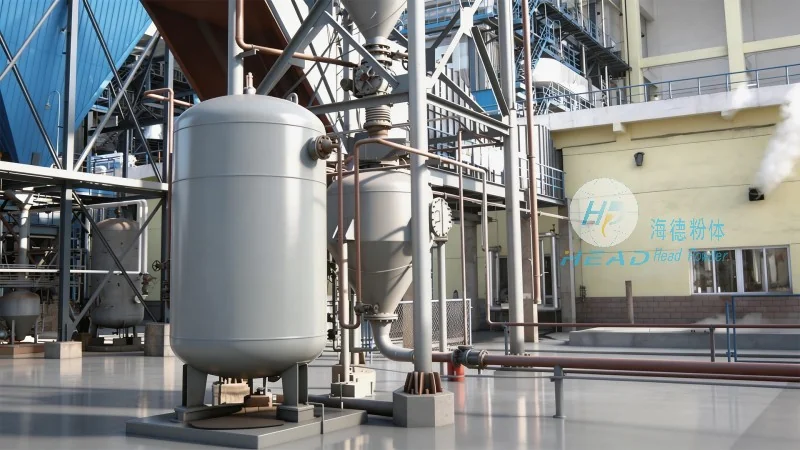
Understanding Pneumatic Conveying Systems
Pneumatic conveying systems utilize air or gas to transport bulk materials like CPE from one location to another. These systems are categorized into two main types based on the pressure differential between the conveying line and the ambient environment: positive pressure and negative pressure. Both modes have distinct characteristics that make them suitable for different industrial scenarios.
Positive Pressure Pneumatic Conveying
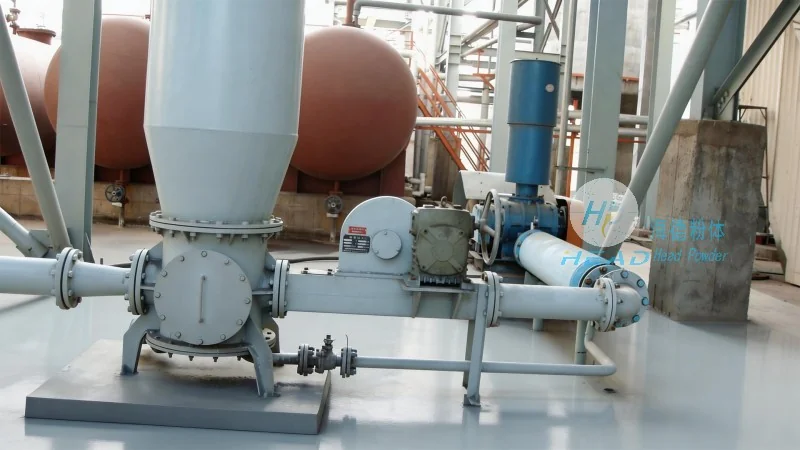
Positive pressure systems operate by blowing air or gas into the conveying line, creating a pressure higher than the ambient air pressure. This method forces the material to move through the pipeline. The headpowder company, Shandong HeadPowder Engineering Co., Ltd., specializes in designing and manufacturing advanced positive pressure pneumatic conveying systems tailored for CPE handling. These systems typically feature a positive pressure blower, a hopper for material storage, and a discharge unit at the receiving end. The positive pressure mode is particularly effective for long-distance and high-capacity conveying, as it can maintain consistent material flow and minimize the risk of material degradation due to exposure to air.
Advantages of Positive Pressure Conveying
One of the key advantages of positive pressure systems is their ability to handle abrasive or corrosive materials without causing significant wear on the equipment. For CPE, which may contain additives or have a tendency to stick to surfaces, positive pressure systems ensure that the material remains dry and free-flowing throughout the conveying process. Additionally, positive pressure conveying is well-suited for applications where the receiving point is at a higher elevation than the source, as the pressure differential can provide the necessary force to move the material upward. The headpowder engineering team has optimized positive pressure systems to minimize energy consumption while maximizing throughput, making them an economical choice for large-scale CPE production facilities.
Negative Pressure Pneumatic Conveying
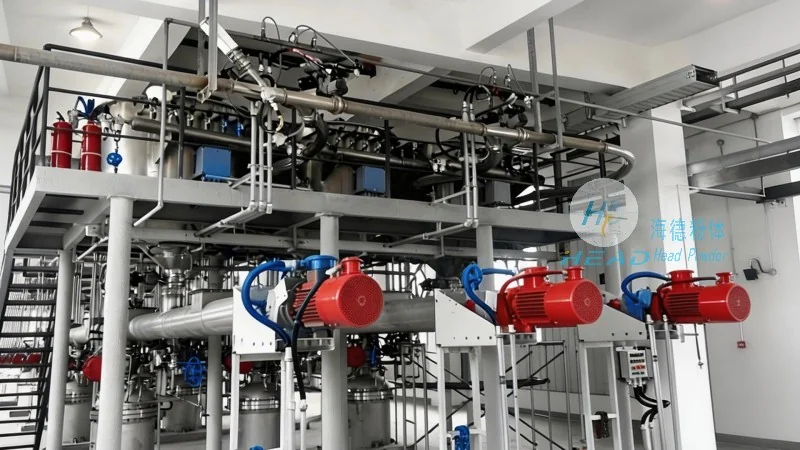
Negative pressure systems, also known as vacuum or suction systems, operate by creating a vacuum inside the conveying line, which draws the material from the source to the receiver. The headpowder company also offers negative pressure pneumatic conveying solutions for CPE, particularly in applications where the material needs to be transported from a higher elevation to a lower one or where the receiving point is enclosed. In negative pressure systems, a vacuum pump is used to create the pressure differential, and the material is drawn into the pipeline through a hopper or feeder. This mode is ideal for handling fine powders or granules that are prone to dust generation, as the sealed system prevents contamination and exposure to the environment.
Advantages of Negative Pressure Conveying
One of the primary benefits of negative pressure systems is their ability to handle materials that are sensitive to air exposure, such as certain types of CPE that may degrade when exposed to oxygen. The sealed pipeline in negative pressure conveying reduces the risk of material oxidation or moisture absorption, preserving the quality of the CPE. Additionally, negative pressure systems are often quieter and more compact than positive pressure systems, making them suitable for applications in enclosed spaces or where noise levels need to be minimized. The headpowder engineering team has developed advanced negative pressure systems with efficient vacuum pumps and sealed components to ensure reliable and low-maintenance operation for CPE handling.
Comparative Analysis: Positive vs. Negative Pressure
When selecting a pneumatic conveying mode for CPE, several factors must be considered, including the material characteristics, conveying distance, and system requirements. Positive pressure systems are generally preferred for long-distance, high-capacity applications where the material needs to be moved from a lower to a higher elevation or where the receiving point is open to the environment. They offer higher throughput and are more energy-efficient for such scenarios. On the other hand, negative pressure systems are better suited for short-distance, enclosed applications or when the material is sensitive to air exposure. They provide a cleaner and more controlled environment, reducing the risk of dust and contamination.
Operational Considerations and Best Practices
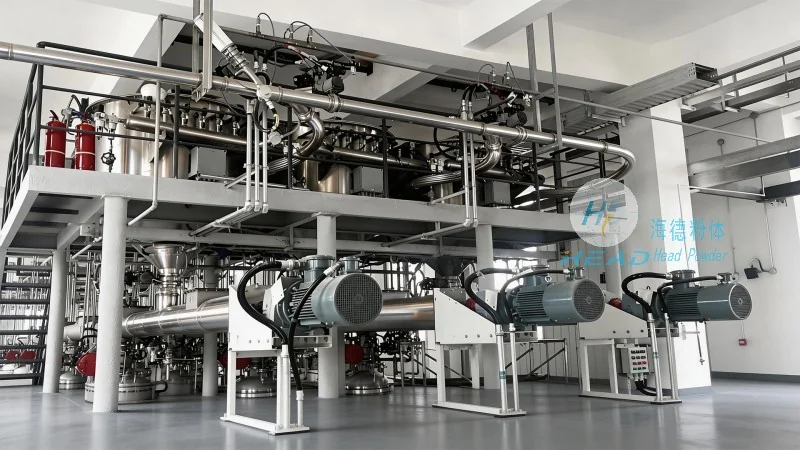
Both positive and negative pressure pneumatic conveying systems require proper maintenance and operational practices to ensure optimal performance and longevity. For positive pressure systems, regular cleaning of the pipeline and blower is essential to prevent material buildup and wear. The headpowder team recommends using high-quality, corrosion-resistant materials for the pipeline and components to handle the abrasive nature of CPE. For negative pressure systems, maintaining the integrity of the sealed pipeline is critical to prevent air leaks and ensure consistent vacuum levels. The company also advises monitoring the pressure differential and material flow rates to detect any issues early and prevent system downtime.
Conclusion
In conclusion, the choice between positive and negative pressure pneumatic conveying systems for chlorinated polyethylene depends on the specific requirements of the industrial application. The headpowder company, with its expertise in CPE handling, offers tailored solutions that leverage the advantages of both modes. By understanding the operational principles and best practices, industrial facilities can select the most efficient and cost-effective pneumatic conveying system to ensure the reliable and safe transport of CPE materials. Whether for long-distance transport or enclosed handling, the advanced engineering and design of headpowder systems ensure that CPE is handled with precision and care, meeting the highest standards of industrial performance.




