HeadPowder, a leading provider of engineering solutions, specializes in the design and implementation of pneumatic conveying systems for various industrial applications. This article delves into the technical aspects of transporting calcium carbonate powder using pneumatic methods, focusing on the comparison between positive and negative pressure modes. By understanding the differences and advantages of each approach, industries can optimize their material handling processes for efficiency and reliability.
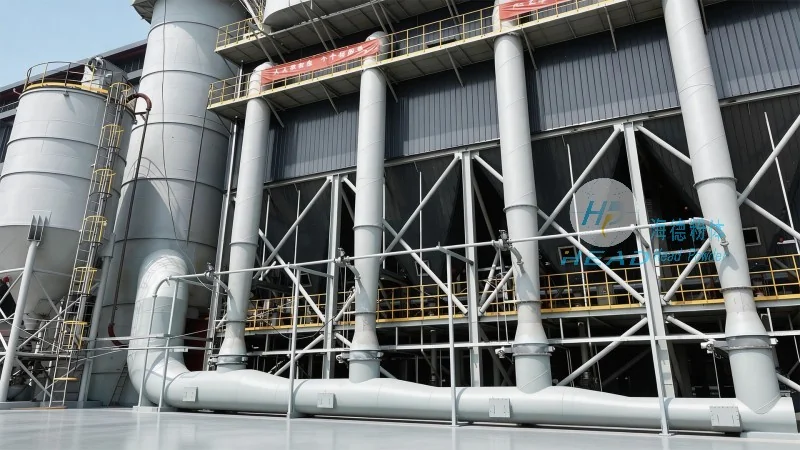
Introduction to Pneumatic Conveying for Calcium Carbonate Powder
Pneumatic conveying is a critical method for transporting bulk materials like calcium carbonate powder, which is widely used in industries such as paper, plastics, and coatings. This technology involves the use of air or gas to move particles through a pipeline system. The choice between positive and negative pressure modes significantly impacts system performance, energy consumption, and operational safety. HeadPowder's expertise in this field ensures that clients receive tailored solutions that meet their specific operational requirements.
Understanding Positive Pressure Pneumatic Conveying
Positive pressure pneumatic conveying operates by generating high-pressure air at the inlet of the conveying line. The system uses a blower or compressor to force air and material through the pipeline. This mode is particularly effective for long-distance and high-capacity transport, as it can handle larger particle sizes and higher flow rates. The positive pressure system also provides better control over the material's velocity and direction, reducing the risk of blockages and ensuring consistent material flow. However, it requires robust equipment to handle the high pressure and can be more energy-intensive compared to negative pressure systems.
Advantages and Applications of Positive Pressure Systems
Positive pressure systems are ideal for applications where the material needs to be transported over long distances or through complex pipeline networks. They are commonly used in industrial settings where large volumes of calcium carbonate powder are required, such as in large-scale paper mills or chemical plants. The ability to maintain a consistent pressure and flow rate makes this system suitable for processes that demand high reliability and minimal downtime. Additionally, positive pressure systems can handle abrasive materials without significant wear on the equipment, as the high-pressure air helps to keep the particles suspended and moving smoothly through the pipeline.
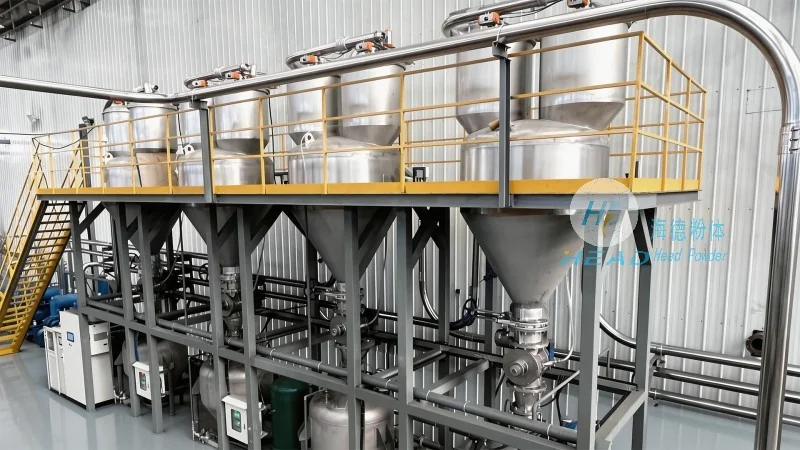
Exploring Negative Pressure Pneumatic Conveying
Negative pressure pneumatic conveying, also known as suction or vacuum systems, operates by creating a low-pressure environment at the inlet. The system uses a vacuum pump to draw air and material into the pipeline. This mode is generally more energy-efficient than positive pressure systems, as it requires less power to maintain the vacuum. However, it is less suitable for long-distance transport or high-capacity applications due to limitations in pressure and flow rate. Negative pressure systems are often used for short-distance conveying or for handling materials that are sensitive to high pressure, such as fine powders that could be damaged by high-velocity air.
Advantages and Limitations of Negative Pressure Systems
One of the key advantages of negative pressure systems is their lower energy consumption, which can lead to cost savings over time. They are also more compact and require less space for installation, making them suitable for facilities with limited room for equipment. However, these systems have lower conveying capacity and are more prone to blockages, especially with cohesive or fine powders. The vacuum created can also lead to dust emissions if not properly controlled, requiring additional filtration systems to maintain air quality. HeadPowder's engineers consider these factors when designing systems to ensure optimal performance and compliance with environmental regulations.
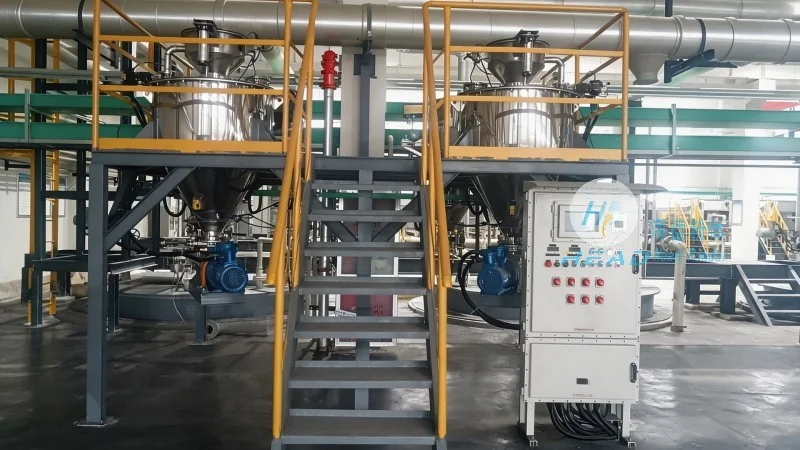
Comparative Analysis: Positive vs. Negative Pressure
When comparing positive and negative pressure pneumatic conveying systems for calcium carbonate powder, several factors must be evaluated. The primary considerations include the distance of transport, the required capacity, the material's properties (such as particle size and moisture content), and the available space for equipment. Positive pressure systems excel in long-distance and high-capacity applications, offering better control and reliability. Negative pressure systems, on the other hand, are more energy-efficient and suitable for short-distance or sensitive material handling. HeadPowder's technical team conducts thorough assessments to determine the most appropriate system for each client's needs, balancing performance, cost, and operational constraints.
HeadPowder's Expertise in Pneumatic Conveying Solutions
As a company based in Shandong, China, HeadPowder Engineering Co., Ltd. has extensive experience in designing and implementing pneumatic conveying systems tailored to the specific requirements of calcium carbonate powder applications. Our engineers leverage advanced technology and industry best practices to develop customized solutions that enhance efficiency, reduce downtime, and improve overall operational performance. By focusing on the technical details of both positive and negative pressure modes, we ensure that our clients receive systems that are not only effective but also sustainable and cost-effective.
Conclusion: Choosing the Right Pneumatic Conveying Mode
The choice between positive and negative pressure pneumatic conveying for calcium carbonate powder depends on a combination of operational and technical factors. Positive pressure systems offer superior performance for long-distance and high-capacity transport, while negative pressure systems provide energy efficiency and suitability for short-distance or sensitive material handling. HeadPowder's comprehensive approach to system design ensures that clients can make informed decisions based on their specific needs. By understanding the advantages and limitations of each mode, industries can optimize their material handling processes, leading to improved productivity and reduced operational costs.




