Colored sand, a critical material in construction, decoration, and industrial processes, often requires efficient and reliable transportation methods. Pneumatic conveying, which utilizes air to move powders like colored sand, offers distinct options with the primary distinction being negative pressure (suction) and positive pressure (blowing) systems. This article provides a comprehensive comparison of the advantages and disadvantages of negative pressure versus positive pressure conveying for colored sand, highlighting key factors that influence system selection in various operational scenarios.
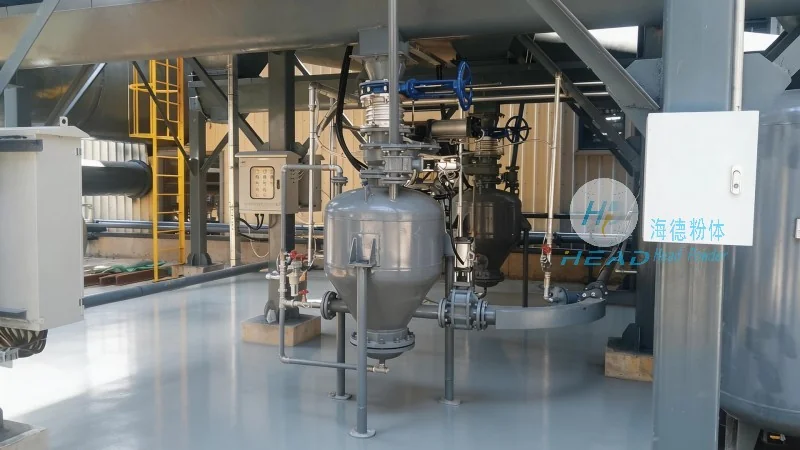
Overview of Pneumatic Conveying Systems for Colored Sand
Pneumatic conveying systems are widely adopted in the handling of colored sand due to their ability to transport materials over long distances, through complex layouts, and with minimal product degradation. The two main types of pneumatic conveying are negative pressure (suction) systems and positive pressure (blowing) systems. Negative pressure systems operate by creating a vacuum at the material inlet, drawing the sand into the system, while positive pressure systems force air and material through the pipeline using a blower or compressor. Each system has unique characteristics that make it suitable for specific applications, and understanding these differences is essential for optimizing material handling processes.
Shandong HeadPowder Engineering Co., Ltd.: Expertise in Pneumatic Conveying Solutions
Shandong HeadPowder Engineering Co., Ltd., a leading provider in the industry, specializes in designing, manufacturing, and implementing advanced pneumatic conveying systems tailored to colored sand applications. With extensive experience and a commitment to quality, HeadPowder delivers customized solutions that enhance efficiency, reduce operational costs, and ensure product integrity. The company’s expertise spans the entire range of pneumatic conveying technologies, including both negative and positive pressure systems, enabling clients to choose the most appropriate system based on their specific requirements.
Advantages of Negative Pressure Conveying for Colored Sand
Negative pressure conveying, also known as suction conveying, offers several advantages that make it suitable for certain colored sand applications. One primary benefit is its ability to handle materials with a wide range of particle sizes and moisture content. The vacuum created at the inlet effectively draws the sand into the system, which is particularly effective for materials prone to dusting or caking. Additionally, negative pressure systems are generally more energy-efficient for short to medium distances, as they require less power to maintain the vacuum compared to positive pressure systems. This makes them an attractive option for applications where the conveying distance is limited and energy consumption is a key consideration.
Another advantage of negative pressure conveying is its suitability for materials sensitive to pressure or temperature changes. The low-pressure environment minimizes the risk of product degradation, making it ideal for colored sand used in decorative applications where color and texture are critical. Furthermore, negative pressure systems offer greater layout flexibility, as they can be easily integrated into existing facilities without major modifications. This flexibility allows for adaptation of existing infrastructure to accommodate new conveying requirements, reducing the need for extensive construction or renovation.
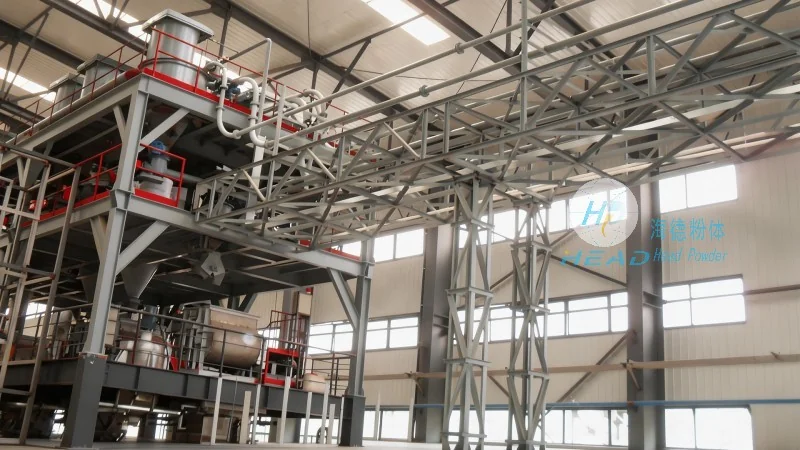
Disadvantages of Negative Pressure Conveying for Colored Sand
Despite its advantages, negative pressure conveying has notable drawbacks that may limit its suitability for certain applications. One main disadvantage is the lower conveying capacity compared to positive pressure systems. The vacuum at the inlet restricts the amount of material transported at any given time, which may be insufficient for high-volume operations. This limitation can lead to increased system downtime and reduced productivity, especially in large-scale production environments. Additionally, negative pressure systems are more susceptible to blockages and system failures due to lower air velocity and pressure. Blockages can occur when the material is too fine or contains high moisture content, requiring manual intervention to clear the pipeline.
Another disadvantage is higher maintenance requirements. The vacuum pumps and associated components are more prone to wear and tear under continuous vacuum operation, resulting in higher maintenance costs and potential system downtime for repairs. Furthermore, negative pressure systems are more sensitive to air leaks, as even small leaks can significantly reduce the vacuum level and affect conveying efficiency. Regular maintenance and monitoring are essential to ensure optimal operation, adding to overall operational costs.
Advantages of Positive Pressure Conveying for Colored Sand
Positive pressure conveying, or blowing conveying, offers advantages suitable for applications requiring higher conveying capacities and longer distances. One primary benefit is the ability to transport larger volumes of colored sand at higher velocities, essential for high-volume production lines. The higher pressure environment enables efficient movement over long distances, making it ideal for applications where conveying distance exceeds negative pressure system capabilities. Additionally, positive pressure systems are more reliable in terms of performance, being less susceptible to blockages and system failures compared to negative pressure systems.
Another advantage is lower maintenance requirements. Components like blowers and compressors operate under higher pressure, reducing wear and tear compared to vacuum pumps. This results in lower maintenance costs and longer system lifespans. Furthermore, positive pressure systems are more resistant to air leaks, as higher pressure helps maintain performance even with minor leaks. This resistance reduces the need for frequent maintenance and monitoring, contributing to lower operational costs.
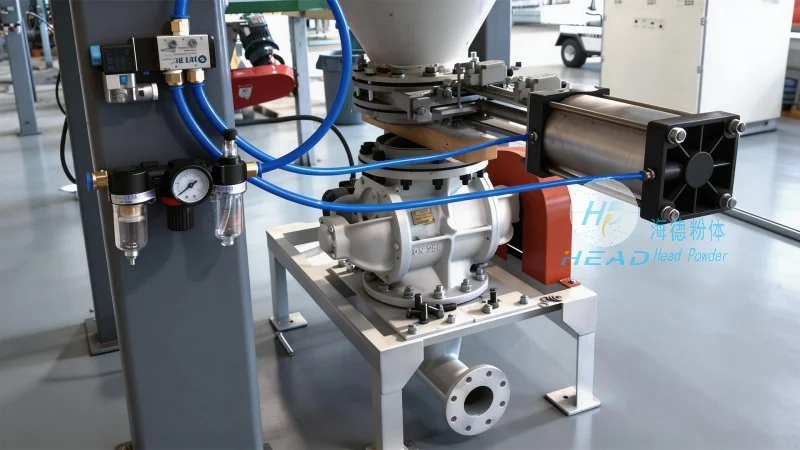
Disadvantages of Positive Pressure Conveying for Colored Sand
Despite its advantages, positive pressure conveying has drawbacks that may limit its suitability. One main disadvantage is higher energy consumption compared to negative pressure systems. The higher pressure and velocity increase power demand, leading to higher operational costs, especially for large-scale operations or in regions with high electricity costs. Additionally, positive pressure systems are more prone to product degradation due to higher pressure and temperature conditions. Increased air velocity and pressure cause particle collisions with pipeline walls, leading to abrasion and potential color or texture changes.
Another disadvantage is higher initial investment costs. High-pressure blowers and compressors are more expensive than vacuum pumps used in negative pressure systems. This higher cost may be a barrier for small or medium-sized enterprises. Furthermore, positive pressure systems require more space for installation due to larger components and heat dissipation needs. This space requirement may limit feasibility in existing facilities with limited space.
Key Factors Influencing System Choice
The choice between negative and positive pressure conveying depends on several key factors, including conveying distance, material characteristics, required capacity, and operational costs. For short to medium distances and low to medium volume applications, negative pressure conveying is often preferred due to energy efficiency and lower initial investment. However, for long distances and high-volume applications, positive pressure conveying is more suitable due to higher capacity and reliability. Material characteristics, such as particle size, moisture content, and abrasiveness, also play a crucial role. Materials with high moisture or fine particles may be better suited for negative pressure systems, while abrasive materials may require positive pressure systems with wear-resistant components. Operational costs, including energy use, maintenance, and downtime, are critical factors influencing the decision. Companies must carefully evaluate these factors to select the most appropriate system that meets specific needs and maximizes overall efficiency.
Conclusion: Selecting the Right Pneumatic Conveying System
In conclusion, both negative and positive pressure conveying systems offer unique advantages and disadvantages for colored sand applications. The choice depends on operational requirements, material properties, and cost considerations. Negative pressure systems are ideal for short distances, low to medium volumes, and materials sensitive to pressure or temperature changes, while positive pressure systems are better suited for long distances, high volumes, and applications requiring higher capacity and reliability. Shandong HeadPowder Engineering Co., Ltd. provides expert guidance and customized solutions to help clients select the most appropriate pneumatic conveying system, ensuring optimal performance and efficiency in colored sand handling operations.




