When it comes to the pneumatic transport of bentonite, the choice between negative pressure and positive pressure conveying systems is a critical decision for many industrial applications. Both methods offer unique benefits and drawbacks, and understanding these can help businesses select the most suitable option for their specific needs. This article provides a detailed comparison of the advantages and disadvantages of negative pressure versus positive pressure conveying in bentonite transport, with a focus on practical considerations and operational efficiency.
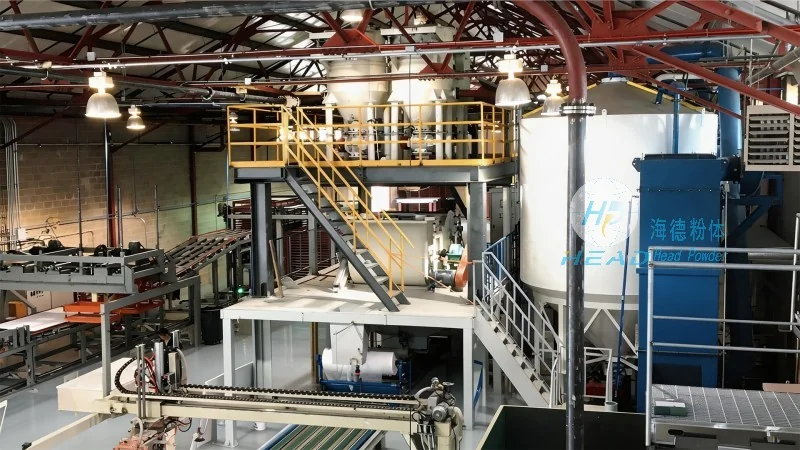
Introduction to Bentonite Pneumatic Conveying
Bentonite, a naturally occurring clay, is widely used in various industries such as construction, oil and gas, and water treatment due to its high swelling capacity and adsorption properties. Pneumatic conveying is a common method for transporting bentonite, as it allows for efficient, dust-free, and continuous movement of the material. However, the choice of conveying system—whether negative pressure or positive pressure—significantly impacts the overall performance, cost, and safety of the operation. This section introduces the fundamental concepts of both conveying methods and sets the stage for a comprehensive comparison.
Understanding Negative Pressure Conveying
Negative pressure conveying, also known as suction conveying, operates by creating a low-pressure environment at the material inlet. The system draws the bentonite into the pipeline using a vacuum created by a fan or blower located at the discharge end. This method is often preferred for applications where the material is to be transported from a source to a destination, as it can handle long distances and multiple transfer points without the need for intermediate storage.
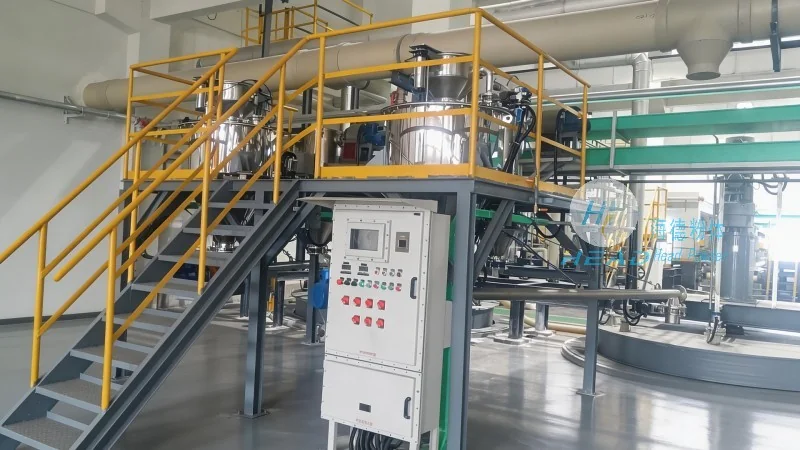
One of the primary advantages of negative pressure conveying is its ability to handle fine powders and prevent material degradation. The low pressure at the inlet reduces the risk of particle breakage and dust generation, making it suitable for sensitive bentonite products. Additionally, negative pressure systems are generally more energy-efficient for short to medium distances, as the vacuum created by the fan can be optimized to match the conveying requirements. However, there are notable disadvantages to consider. Negative pressure conveying is less effective for long-distance transport, as the pressure drop over the pipeline can lead to reduced material flow rates. Moreover, the system is more susceptible to air leaks and blockages, which can disrupt the conveying process and require frequent maintenance. The equipment used in negative pressure systems, such as vacuum pumps and filters, also tends to be more complex and expensive compared to positive pressure alternatives.
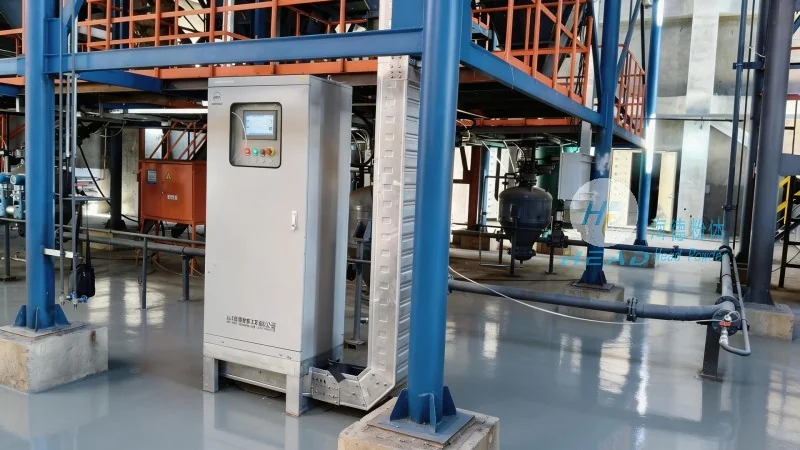
Understanding Positive Pressure Conveying
Positive pressure conveying, or pressure conveying, works by forcing air and the bentonite material through the pipeline using a high-pressure blower or compressor located at the inlet. The system creates a positive pressure environment that pushes the material from the source to the destination. This method is often preferred for applications requiring high material flow rates, long distances, or the need to transport multiple materials simultaneously.
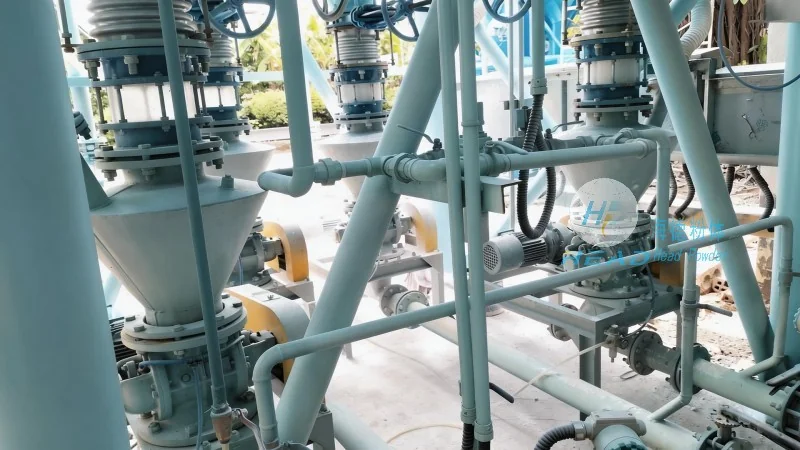
One of the key advantages of positive pressure conveying is its ability to handle high volumes of bentonite efficiently. The high pressure ensures consistent material flow, even over long distances, and reduces the risk of blockages. This makes it ideal for industrial plants that require large-scale bentonite transport. Additionally, positive pressure systems are generally more reliable and less prone to air leaks, as the pressure is maintained throughout the pipeline. The equipment used in positive pressure systems, such as positive displacement blowers and cyclone separators, is often more robust and easier to maintain compared to negative pressure alternatives. However, positive pressure conveying has its own set of drawbacks. The high pressure can lead to increased energy consumption, making it less cost-effective for short distances. Moreover, the system is more susceptible to material degradation due to the high velocity of the air-stream, which can cause particle breakage and dust generation. This can be a concern for sensitive bentonite products that require careful handling to maintain their quality.
Comparative Analysis: Negative vs. Positive Pressure Conveying
When comparing negative and positive pressure conveying for bentonite transport, several factors must be considered to determine the most suitable option. The choice often depends on the specific application, distance, material characteristics, and operational requirements. Here is a side-by-side comparison of the key advantages and disadvantages of each method:




