For industrial applications involving the handling of reclaimed coke powder, selecting the appropriate pneumatic conveying system is crucial for efficiency, cost-effectiveness, and operational safety. Two primary methods dominate the industry: positive pressure conveying and negative pressure conveying. This analysis from Shandong HeadPowder Engineering Co., Ltd., based in China, provides a detailed comparison of these two approaches, highlighting their respective advantages, limitations, and optimal use cases.
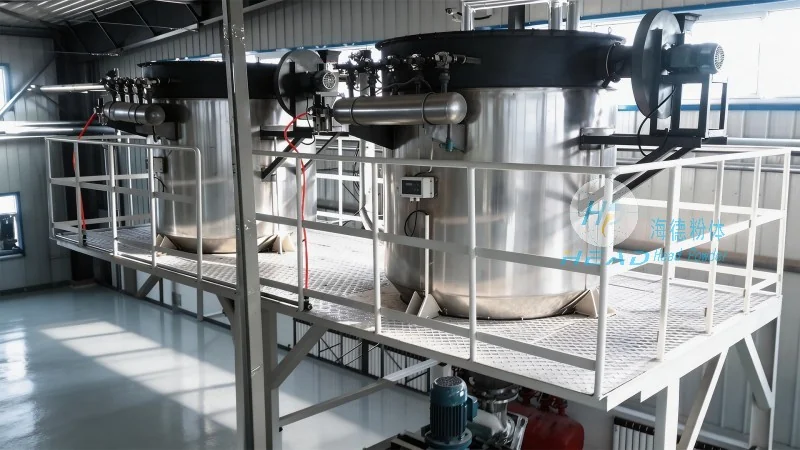
Understanding Pneumatic Conveying Systems
Pneumatic conveying systems utilize air or gas to transport bulk materials like reclaimed coke powder through a pipeline. The choice between positive and negative pressure systems depends on factors such as material properties, distance, volume, and environmental considerations. Both methods are widely used in industries including chemical, pharmaceutical, and food processing, where precise material handling is essential.
Positive Pressure Conveying: Advantages and Applications
Positive pressure conveying operates by blowing air or gas into the conveying line, creating a pressure higher than the ambient air. This method is particularly effective for transporting materials over long distances or through complex piping networks. It is well-suited for handling abrasive or dusty materials like reclaimed coke powder, as the positive pressure helps to maintain consistent flow and prevent material buildup in the system. Additionally, positive pressure systems can be designed to handle high material volumes, making them ideal for large-scale industrial operations.
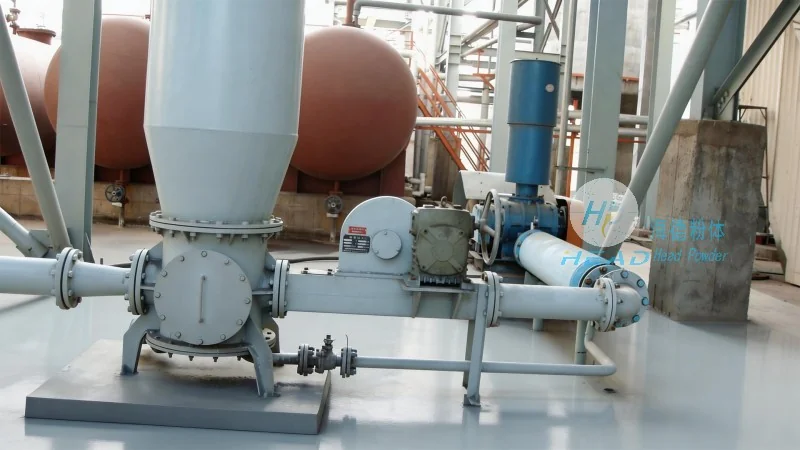
Negative Pressure Conveying: Advantages and Applications
Negative pressure conveying, also known as suction conveying, works by creating a vacuum in the conveying line, drawing material from the source into the system. This method is often preferred for applications requiring minimal dust emission or where the material source is located in an enclosed area. Negative pressure systems are particularly effective for handling fine or light materials, as the vacuum helps to maintain a stable flow without the need for high air velocities. They are commonly used in environments where dust control is a priority, such as in food processing or pharmaceutical manufacturing.
Key Differences Between Positive and Negative Pressure Conveying
While both positive and negative pressure systems serve the purpose of transporting reclaimed coke powder, they differ significantly in their operational principles, energy consumption, and maintenance requirements. Positive pressure systems typically consume more energy due to the need to generate higher air pressure, but they offer greater control over material flow and are less prone to clogging. Negative pressure systems, on the other hand, are more energy-efficient but require careful attention to dust containment and system maintenance to prevent air leaks and material loss.
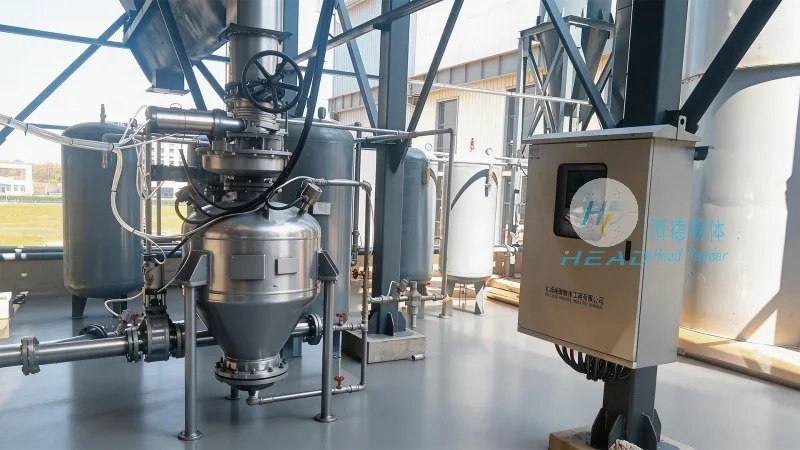
Factors to Consider When Choosing a Conveying System
When selecting between positive and negative pressure conveying for reclaimed coke powder, several factors must be evaluated. The distance and layout of the conveying line, the material's physical properties (such as particle size, density, and moisture content), and the environmental regulations governing dust emissions are all critical considerations. For instance, if the material is abrasive and needs to be transported over a long distance, a positive pressure system may be more suitable due to its ability to handle high pressures and maintain consistent flow. Conversely, if the material is fine and the application requires low dust emission, a negative pressure system might be preferred.
Conclusion: Selecting the Right Conveying Method
Both positive and negative pressure pneumatic conveying systems offer viable solutions for handling reclaimed coke powder, each with its own set of advantages and limitations. The choice ultimately depends on the specific requirements of the industrial application, including material characteristics, operational distance, and environmental constraints. By carefully evaluating these factors, industries can select the most appropriate conveying method to ensure efficient, safe, and cost-effective material handling. Shandong HeadPowder Engineering Co., Ltd. specializes in designing and implementing customized pneumatic conveying solutions tailored to meet the unique needs of clients, ensuring optimal performance and reliability in material transport.




