When it comes to the efficient and reliable transport of aluminum oxide, selecting the right pneumatic conveying method is crucial. Two primary approaches dominate the industry: positive pressure conveying and negative pressure conveying. Each method offers distinct advantages and is suited to different operational requirements. This analysis delves into the characteristics, applications, and performance metrics of both systems, providing a comprehensive comparison to aid in informed decision-making for material handling processes.
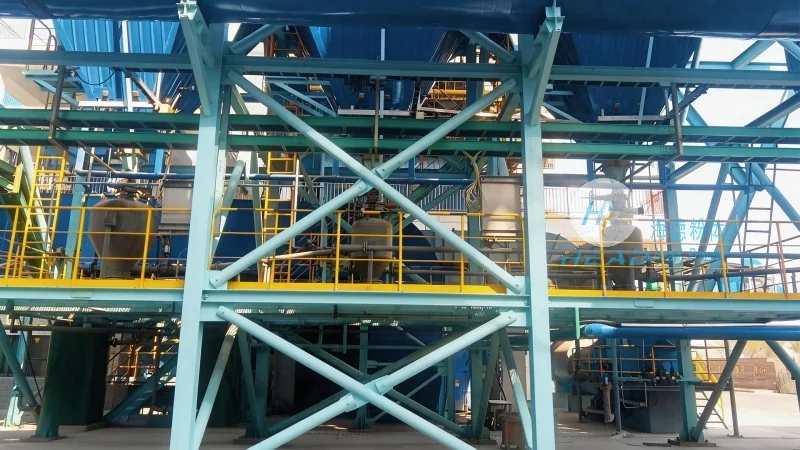
Introduction to Pneumatic Conveying Systems
Pneumatic conveying systems are widely used in industrial settings to transport bulk materials like aluminum oxide over short to medium distances. These systems utilize air or gas to move material through a pipeline network, eliminating the need for mechanical components such as belts or buckets. The choice between positive and negative pressure systems depends on factors including material properties, distance, and environmental considerations. Understanding the nuances of each approach is essential for optimizing material flow and minimizing operational costs.
Company Overview: Shandong HeadPowder Engineering Co., Ltd.
HeadPowder, a leading provider of material handling solutions, specializes in designing and manufacturing advanced pneumatic conveying systems tailored to the needs of the aluminum industry. With a focus on innovation and precision engineering, the company has established itself as a trusted partner for businesses seeking efficient and reliable material transport solutions. HeadPowder's expertise lies in customizing systems that meet specific operational demands, ensuring optimal performance and longevity for aluminum oxide handling applications.
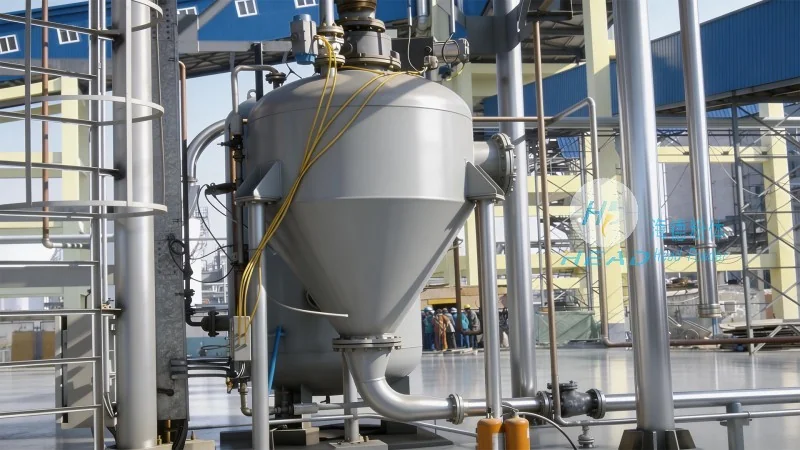
Positive Pressure Conveying: Advantages and Applications
Positive pressure conveying, also known as pressure pneumatic conveying, operates by blowing air or gas into the conveying line under pressure. This method is particularly effective for transporting aluminum oxide over longer distances or in complex system configurations. The primary advantage of positive pressure systems is their ability to handle abrasive or dusty materials without causing excessive wear on components. Additionally, positive pressure systems can maintain consistent material flow rates, even when dealing with varying material densities or moisture content. HeadPowder's positive pressure conveying solutions are engineered to deliver high efficiency and reliability, making them suitable for large-scale industrial operations.
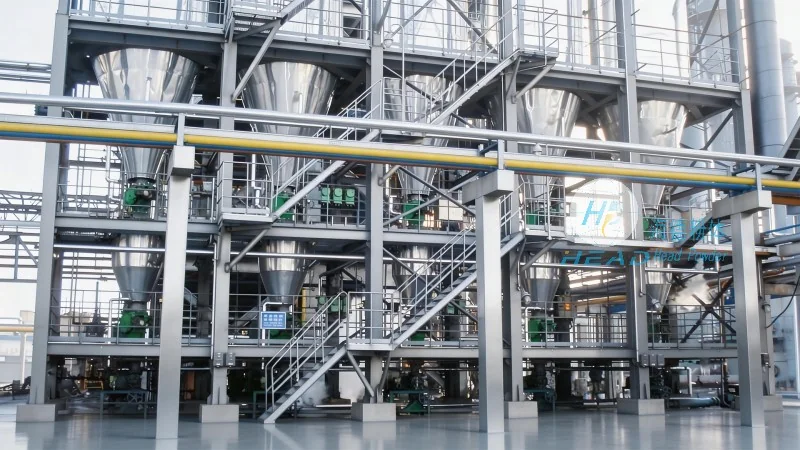
Negative Pressure Conveying: Characteristics and Use Cases
Negative pressure conveying, or vacuum pneumatic conveying, works by creating a vacuum in the conveying line to draw material from the source. This method is ideal for short-distance transport or when the material needs to be collected from multiple points. Negative pressure systems are often preferred for applications where dust control is a priority, as the sealed system prevents emissions from escaping. However, they may be less efficient for transporting large quantities of material over extended distances due to potential pressure drop issues. HeadPowder's negative pressure conveying systems are designed to minimize energy consumption while maintaining effective material transport, ensuring compliance with environmental regulations.
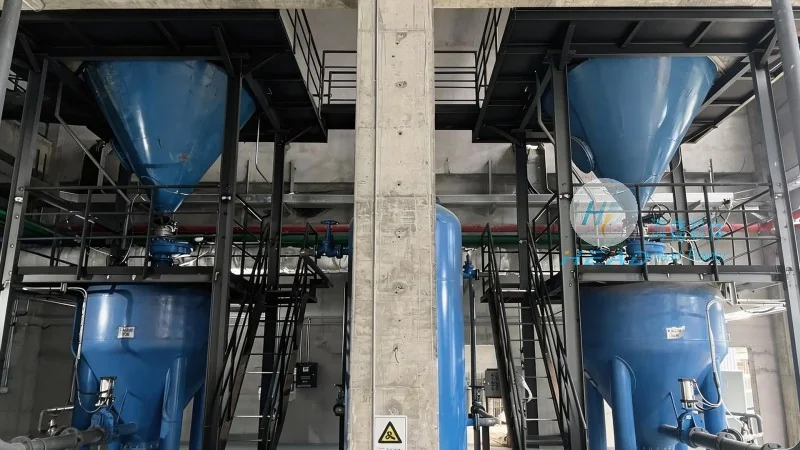
Key Differences and Performance Metrics
When comparing positive and negative pressure conveying systems, several key factors emerge. Positive pressure systems typically offer higher material throughput and are better suited for abrasive materials, while negative pressure systems excel in dust control and short-distance transport. From an energy consumption perspective, positive pressure systems may require more power to maintain pressure, whereas negative pressure systems can be more energy-efficient for smaller scale operations. HeadPowder's engineers evaluate these factors to recommend the most appropriate system for each client's specific requirements, ensuring optimal performance and cost-effectiveness.
Conclusion: Choosing the Right Conveying Method
In conclusion, both positive and negative pressure conveying methods have their place in the aluminum oxide handling industry. The choice between them depends on operational needs, material characteristics, and environmental considerations. HeadPowder's expertise in designing customized pneumatic conveying systems allows clients to select the most suitable approach for their applications. By understanding the advantages and limitations of each method, businesses can enhance material flow efficiency, reduce operational costs, and ensure compliance with industry standards. Whether opting for positive or negative pressure conveying, HeadPowder provides reliable solutions that meet the demands of modern industrial material handling.




