When discussing the handling and transportation of lithium fluoride, pneumatic conveying systems offer a reliable and efficient solution. These systems are designed to transport the material through a pipeline using air or other gases as the conveying medium. The technology has become increasingly important in industrial applications, particularly for handling materials that are difficult to transport by traditional methods such as bulk handling or mechanical conveying. This article explores the types, key characteristics, and various application ranges of lithium fluoride pneumatic conveying systems, providing insights into how they operate and where they are most effectively utilized.
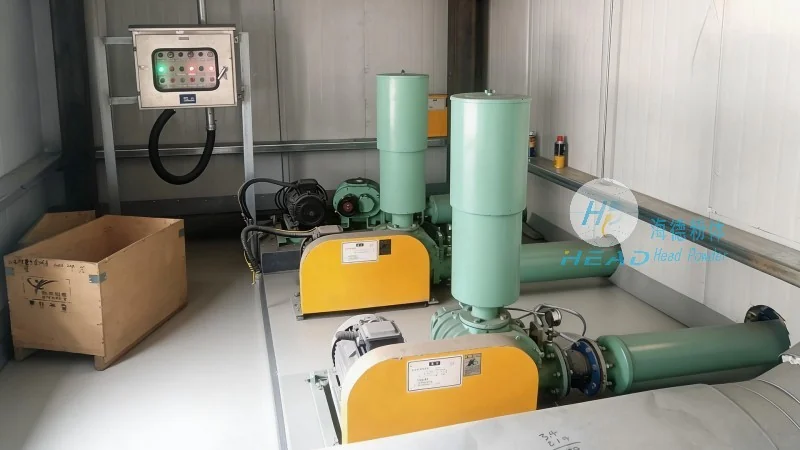
Overview of Lithium Fluoride Pneumatic Conveying Systems
Lithium fluoride (LiF) is a chemical compound widely used in various industries, including pharmaceuticals, electronics, and ceramics. Due to its fine particle size and potentially hazardous nature, conventional handling methods may pose challenges. Pneumatic conveying systems provide a safe and efficient way to move LiF from storage to processing equipment. The core principle involves creating a pressure differential that propels the material through the pipeline. There are primarily two types of pneumatic conveying systems: pressure and vacuum systems, each with distinct characteristics and applications.
Types and Features of Lithium Fluoride Pneumatic Conveying Systems
Pressure pneumatic conveying systems are commonly used for long-distance and high-volume transport. They operate by generating high-pressure air at the material source, which pushes the material through the pipeline. This type is particularly effective for transporting LiF over distances of several hundred meters or more. The key features include robust pumps, high-pressure air compressors, and a closed system that minimizes material exposure to the environment. The system is designed to handle fine powders without clogging, ensuring consistent flow rates. Additionally, pressure systems can handle a wide range of particle sizes, making them versatile for different LiF formulations.
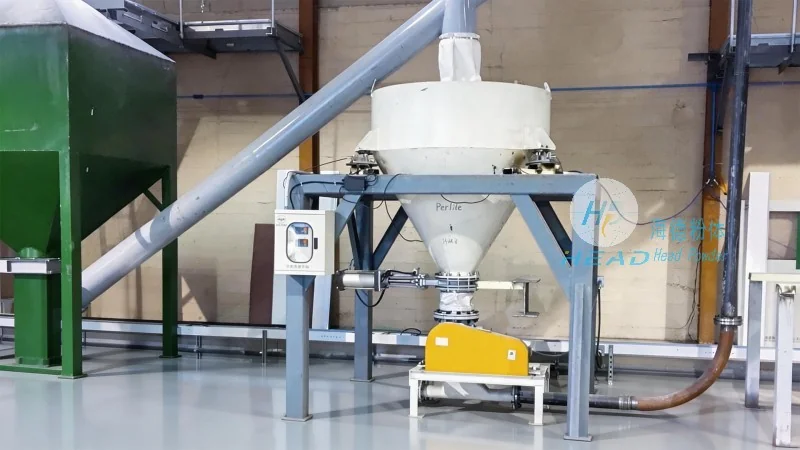
Vacuum pneumatic conveying systems, on the other hand, use a vacuum to draw the material from the source into the pipeline. This method is ideal for shorter distances and when the material needs to be transported from a lower elevation to a higher one. The system typically includes a vacuum pump and a hopper that collects the material. The main advantages of vacuum systems include lower energy consumption compared to pressure systems and the ability to handle materials that are more sensitive to pressure changes. For lithium fluoride, vacuum systems are often used in laboratory or small-scale production settings where precision and control are critical.
Application Ranges of Lithium Fluoride Pneumatic Conveying Systems
The application ranges of lithium fluoride pneumatic conveying systems are broad and vary based on the specific requirements of the industry. In the pharmaceutical industry, LiF is used as a raw material for manufacturing lithium-based drugs. Pneumatic conveying systems ensure that the material is transported safely and hygienically, preventing contamination and maintaining product quality. The systems are often integrated with dust collection and filtration equipment to meet stringent regulatory standards.
In the electronics industry, lithium fluoride is used in the production of lithium-ion batteries and other components. The high-purity nature of LiF requires careful handling to avoid contamination. Pneumatic conveying systems provide a clean and controlled environment for transporting the material, which is essential for maintaining the quality of the final products. The systems are designed to minimize particle loss and ensure that the material remains in a dry and stable state throughout the process.
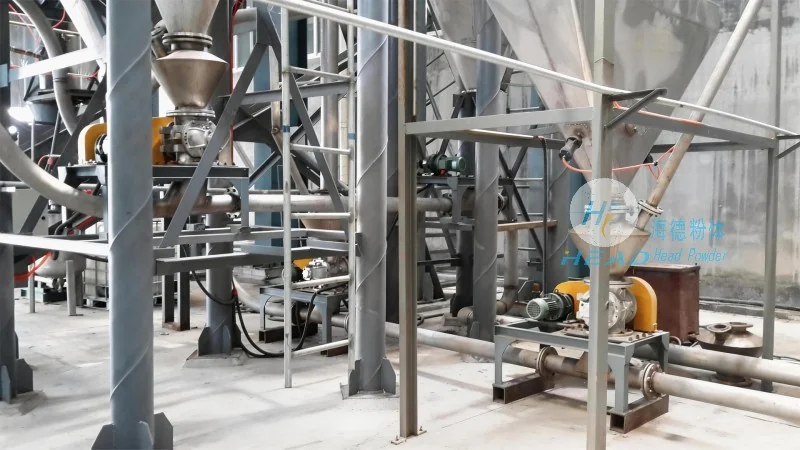
In the ceramics and glass industries, LiF is used as a flux or additive to modify the properties of the final products. Pneumatic conveying systems are used to transport the material from storage to mixing equipment. The systems are capable of handling large volumes of LiF and can be integrated with automated mixing processes to enhance efficiency. The ability to control the flow rate and particle size distribution is crucial for achieving consistent product quality in these applications.
Another important application is in the chemical industry, where LiF is used as a catalyst or in the production of other chemical compounds. Pneumatic conveying systems provide a reliable method for transporting the material to reactors and processing units. The systems are designed to handle corrosive or reactive materials, ensuring that the material is transported safely without causing damage to the equipment or the environment.
Key Considerations for Implementing Lithium Fluoride Pneumatic Conveying Systems
When implementing a lithium fluoride pneumatic conveying system, several factors must be considered to ensure optimal performance and safety. The first consideration is the particle size and moisture content of the LiF. Fine particles are more prone to clogging and require higher air velocities to maintain flow. Moisture content can affect the material's flowability and may require additional drying steps before conveying. The system design must account for these characteristics to prevent operational issues.
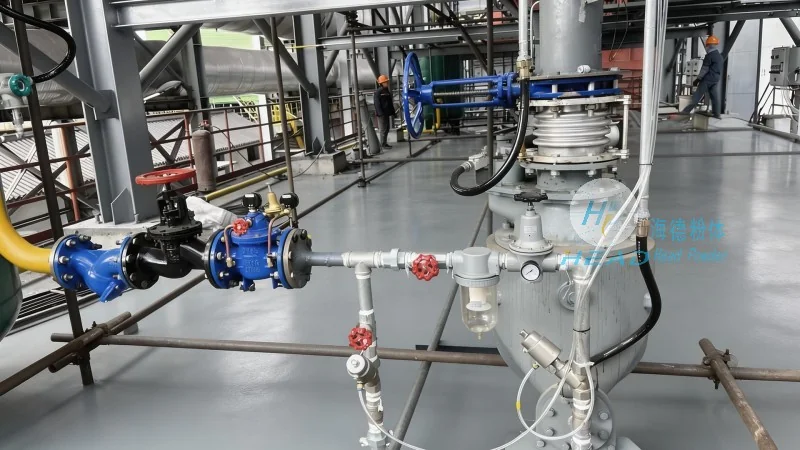
Another critical factor is the system's pressure and vacuum levels. The pressure system must be capable of generating sufficient pressure to overcome the resistance in the pipeline, while the vacuum system must maintain an adequate vacuum to draw the material. The choice between pressure and vacuum systems depends on the specific application, including the distance, elevation changes, and material properties. Proper sizing of the air compressor or vacuum pump is essential to ensure consistent performance.
Material handling and safety are also paramount. Lithium fluoride can be hazardous if inhaled or if it comes into contact with skin or eyes. Pneumatic conveying systems must be equipped with dust collection and filtration systems to capture any airborne particles. The system should also include safety features such as pressure relief valves and emergency shut-off mechanisms to prevent accidents. Regular maintenance and inspection are necessary to ensure the system operates safely and efficiently over time.




