Quartz powder, a widely used industrial material, often requires efficient and reliable transportation methods to move it from one location to another. Pneumatic conveying systems have emerged as a preferred solution for handling quartz powder due to their ability to transport materials in a dust-free, controlled manner. This article provides an overview of pneumatic conveying for quartz powder and explains the fundamental principles behind how these systems operate, presented by Shandong HeadPowder Engineering Co., Ltd., a leading provider of material handling solutions.
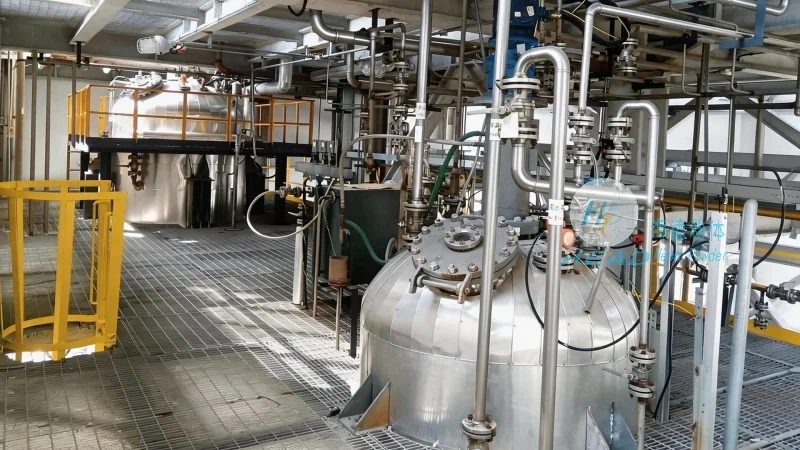
Understanding Pneumatic Conveying Systems
Pneumatic conveying systems utilize air or other gases to transport bulk materials like quartz powder through a pipeline network. The process involves creating a pressure differential or using vacuum to move the material from the source to the destination. There are two main types of pneumatic conveying: pressure and vacuum systems. Pressure systems use compressed air to push the material, while vacuum systems use a vacuum to pull the material through the system. Both methods are effective for quartz powder, but the choice depends on factors such as the distance, material characteristics, and system design requirements. The expertise of Shandong HeadPowder Engineering Co., Ltd. in designing and implementing these systems ensures optimal performance for various quartz powder applications.
Key Components of a Quartz Powder Pneumatic Conveying System
A typical pneumatic conveying system for quartz powder consists of several key components that work together to ensure efficient material transport. These components include the material feeder, which feeds the quartz powder into the system; the conveying line, which transports the material; the separation equipment, which separates the powder from the air; and the collection system, which collects the material at the destination. The material feeder is crucial as it controls the flow rate of the quartz powder, preventing overloading or underloading of the system. The conveying line is designed to handle the pressure or vacuum conditions required for the material to move smoothly. The separation equipment, such as cyclones or filters, removes the powder from the air stream, ensuring that the material is collected in a clean and efficient manner. The collection system then stores the quartz powder in a container or hopper, ready for further processing. The company, Shandong HeadPowder Engineering Co., Ltd., specializes in customizing these components to meet the specific needs of clients, ensuring reliable and efficient operation.
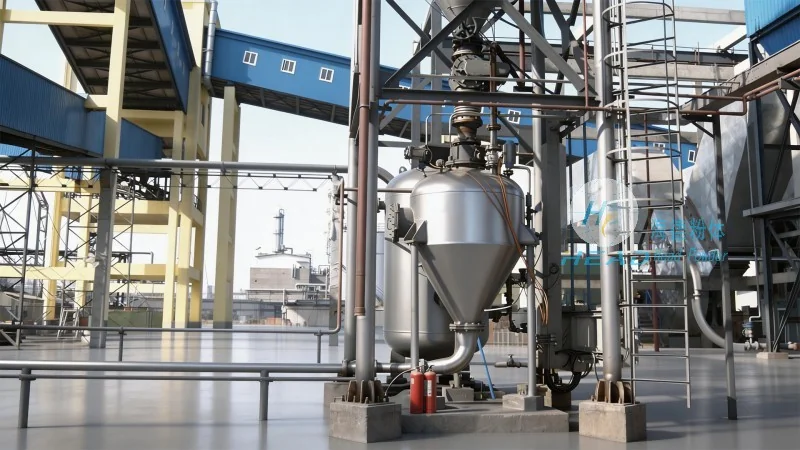
Working Principle of Pneumatic Conveying for Quartz Powder
The working principle of a pneumatic conveying system for quartz powder involves several steps. First, the quartz powder is fed into the system through the material feeder. The feeder then introduces the powder into the conveying line, where it is mixed with the air or gas. The air flow then carries the powder particles through the pipeline to the destination. In a pressure system, the compressed air pushes the powder forward, while in a vacuum system, the vacuum pulls the powder towards the collection point. The speed of the air flow is critical, as it must be sufficient to overcome the resistance of the powder particles and the friction in the pipeline. The air flow rate is typically determined based on the material's properties, such as particle size, density, and moisture content, as well as the system's design parameters. Shandong HeadPowder Engineering Co., Ltd. employs advanced engineering techniques to optimize the air flow and ensure efficient transport of quartz powder.
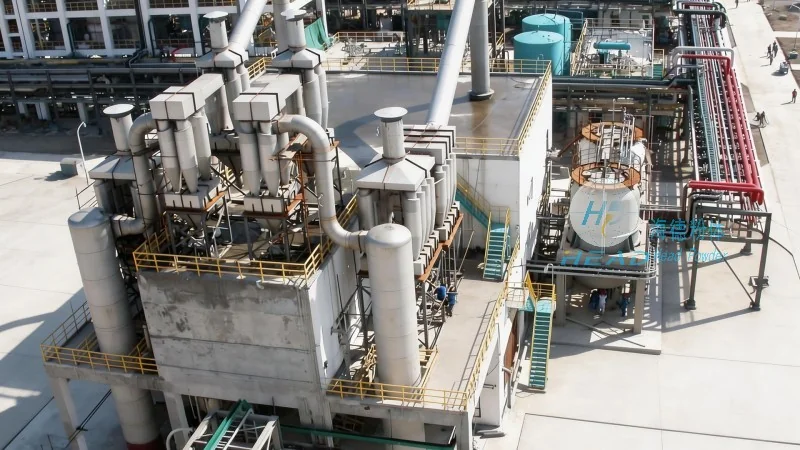
Advantages of Using Pneumatic Conveying for Quartz Powder
Pneumatic conveying systems offer several advantages when handling quartz powder. One of the main advantages is the ability to transport the material in a dust-free environment, which is essential for maintaining product quality and ensuring worker safety. Unlike mechanical conveying systems, which can generate dust and cause contamination, pneumatic systems keep the powder contained within the pipeline, reducing the risk of exposure to airborne particles. Another advantage is the flexibility of the system, as it can be easily adapted to different material handling requirements. Pneumatic conveying systems can handle a wide range of particle sizes and shapes, making them suitable for various applications. Additionally, these systems are relatively low maintenance compared to other conveying methods, as they have fewer moving parts and are less prone to wear and tear. The efficiency of the system also contributes to cost savings, as it reduces material loss and energy consumption compared to traditional methods. Shandong HeadPowder Engineering Co., Ltd. has successfully implemented numerous pneumatic conveying systems that have improved operational efficiency and reduced costs for their clients.
Applications of Quartz Powder Pneumatic Conveying
Quartz powder is used in a variety of industries, including electronics, ceramics, and construction. Pneumatic conveying systems are commonly used in these industries to transport quartz powder from storage silos to processing equipment. For example, in the electronics industry, quartz powder is used to make components for semiconductor devices, and pneumatic conveying systems are used to transport the powder to the manufacturing lines. In the ceramics industry, quartz powder is used as a raw material for making ceramic products, and pneumatic systems are used to move the powder from the storage area to the mixing and molding equipment. In the construction industry, quartz powder is used as a filler in concrete and other building materials, and pneumatic conveying systems are used to transport the powder to the construction sites. The versatility of pneumatic conveying systems makes them suitable for a wide range of applications, from small-scale operations to large industrial plants. Shandong HeadPowder Engineering Co., Ltd. has experience in providing pneumatic conveying solutions for diverse industries, ensuring that the systems are tailored to meet the specific requirements of each application.




