Alumina, a crucial industrial material widely used in the production of ceramics, refractories, and other high-tech applications, often requires efficient and reliable material handling solutions for its transportation. Pneumatic conveying systems have emerged as a preferred method for handling alumina due to their ability to transport bulk materials in a dust-free, controlled environment. This article provides an overview of alumina pneumatic conveying, detailing the fundamental principles and operational mechanisms of such systems, with a focus on the expertise of Shandong HeadPowder Engineering Co., Ltd., a leading provider of material handling solutions in China.
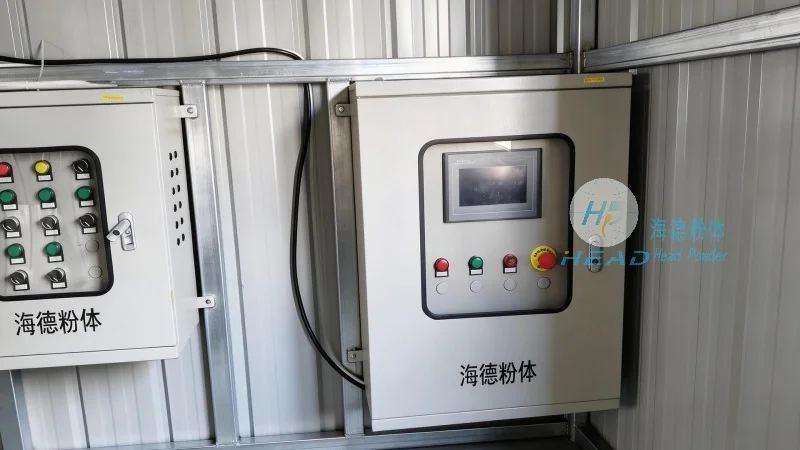
Understanding Pneumatic Conveying Systems
Pneumatic conveying systems utilize compressed air or other gases to transport bulk materials through a network of pipes. The core components of a typical pneumatic conveying system include a material feed hopper, a conveyor line (composed of straight and curved pipes), a control valve, and a receiver or discharge point. The system operates by creating a pressure differential between the inlet and outlet of the conveyor line, which propels the material along the pipeline. This method offers a flexible and efficient approach to material handling, particularly for materials like alumina that are abrasive and require careful handling.
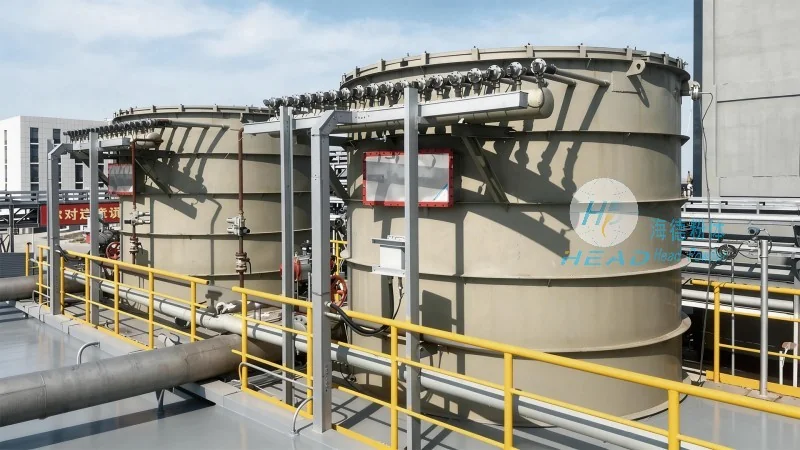
Key Components of an Alumina Pneumatic Conveying System
The effectiveness of an alumina pneumatic conveying system depends on several critical components, each playing a vital role in the material handling process. The material feed hopper is designed to store and feed alumina into the conveyor line at a controlled rate, preventing blockages and ensuring consistent flow. The conveyor line, often made of stainless steel or other corrosion-resistant materials, is engineered to withstand the abrasive nature of alumina particles and maintain a clean, dust-free environment. Control valves, such as rotary valves or slide gates, regulate the flow of alumina into the conveyor line, allowing for precise control over the material's movement. The receiver or discharge point collects the conveyed alumina and directs it to the next processing stage, ensuring a smooth transition in the production workflow. These components are carefully selected and integrated to ensure optimal performance and durability in handling alumina.
Working Principle of Alumina Pneumatic Conveying
The working principle of an alumina pneumatic conveying system involves the generation of a pressure differential that drives the material through the pipeline. In a typical operation, compressed air is introduced into the conveyor line at the inlet, creating a high-pressure environment. As the air flows through the pipeline, it entrains alumina particles, forming a slurry-like mixture that moves along the line. The velocity of the air and the size of the alumina particles determine the efficiency of the conveying process. The system can operate in either positive pressure or negative pressure modes, depending on the specific application and material characteristics. Positive pressure systems are commonly used for long-distance or high-capacity conveying, as they can maintain consistent pressure throughout the pipeline and prevent air leakage. Negative pressure systems, on the other hand, are suitable for applications requiring a dust-free environment, as they draw material into the system and prevent dust from escaping. The choice of operating mode depends on factors such as the conveying distance, material properties, and environmental requirements.
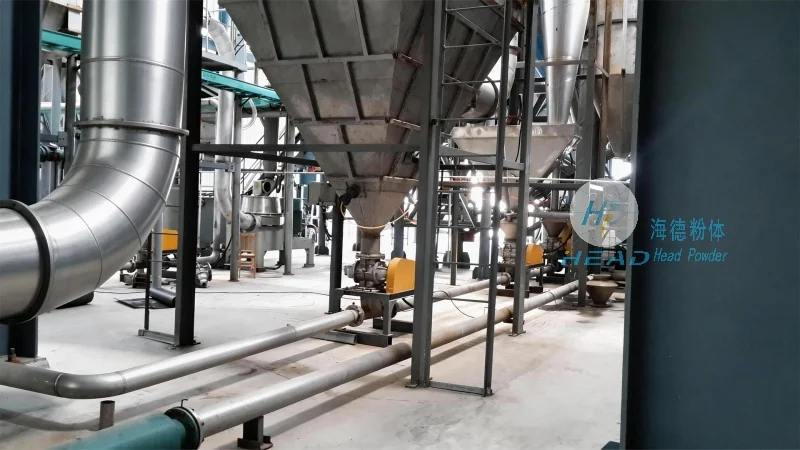
Advantages of Alumina Pneumatic Conveying
Alumina pneumatic conveying systems offer several advantages over traditional material handling methods, such as mechanical conveying or manual handling. One of the primary benefits is the ability to transport alumina in a dust-free environment, which enhances workplace safety and reduces the risk of respiratory issues among workers. The system also provides better control over the material flow, allowing for precise dosing and consistent quality control. Additionally, pneumatic conveying systems are more energy-efficient compared to mechanical systems, as they require less maintenance and can operate with lower power consumption. The compact design of the system also saves space in industrial facilities, making it an ideal solution for plants with limited floor space. These advantages make pneumatic conveying a preferred choice for industries handling alumina, as it contributes to improved operational efficiency and product quality.




