

Principle of Calcined Sand Pneumatic Conveying System
HeadPowder, a professional engineering company based in Shandong, China, specializes in the design and implementation of advanced pneumatic conveying systems for calcined sand applications. This article provides a detailed explanation of the fundamental principles underlying such systems, highlighting key components, operational mechanisms, and the technical advantages that enable efficient material handling in industrial settings.
Core Components and Operational Mechanism
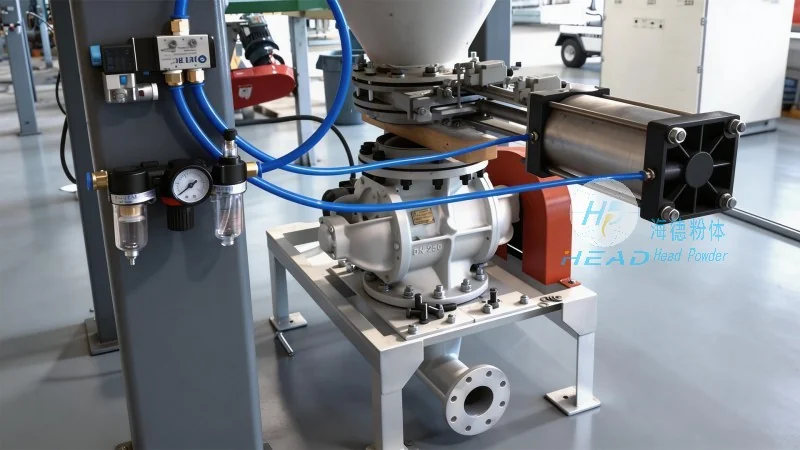
The calcined sand pneumatic conveying system typically consists of several critical components that work in concert to transport material from a source to a destination. The primary elements include a material hopper or silo for storage, a feeder mechanism to control the flow rate, a conveying pipeline network, a blower or air compressor to generate the necessary air pressure, and a receiver or discharge hopper at the end of the system. The feeder, often a rotary valve or screw feeder, regulates the amount of calcined sand introduced into the pipeline, ensuring a consistent flow. The blower then supplies compressed air, which creates a low-pressure zone within the pipeline, drawing the sand particles along with the air stream. This mixture travels through the pipeline to the receiver, where the air is separated from the sand, typically via a cyclone separator or filter, and the sand is collected for further processing.
Key Technical Principles
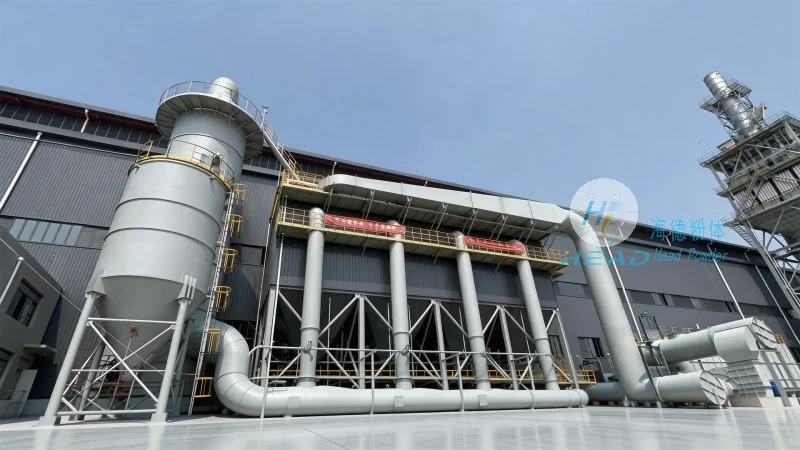
At the heart of the pneumatic conveying system is the principle of fluidization and suspension. Calcined sand particles are suspended in the air stream, allowing them to be transported without direct contact with the pipeline walls. This is achieved by maintaining an appropriate air velocity within the pipeline, which is sufficient to overcome the gravitational force acting on the particles while minimizing friction losses. The system operates on the basis of pressure or vacuum, with pressure systems being more common for calcined sand due to their ability to handle larger particle sizes and longer conveying distances. The air velocity must be carefully controlled to prevent particle degradation or blockages, which can occur if the velocity is too low or too high. Additionally, the system design considers factors such as particle size distribution, moisture content, and specific gravity of the calcined sand, as these properties influence the required air flow rate and pressure levels.
Advantages of Pneumatic Conveying for Calcined Sand
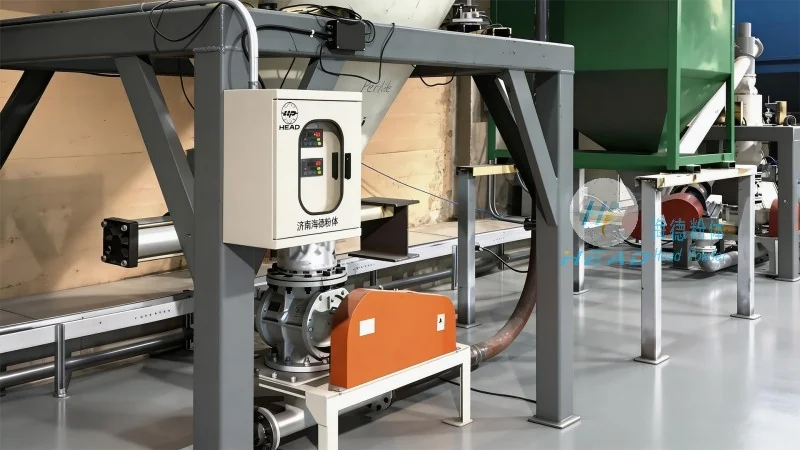
Compared to traditional mechanical conveying methods, pneumatic systems offer several advantages for calcined sand handling. These include the ability to transport materials over long distances without the need for multiple transfer points, reduced risk of contamination from external sources, and lower maintenance requirements due to the absence of moving parts in the conveying line. The system also allows for precise control over the flow rate and pressure, enabling consistent material delivery to downstream processes. Furthermore, pneumatic conveying can handle abrasive materials like calcined sand more effectively than mechanical systems, as the air stream distributes the impact forces across a larger area, reducing wear on the pipeline and components. The flexibility of the system design also allows for easy integration with existing industrial infrastructure, making it a cost-effective solution for many applications.
Application Scenarios and Industrial Impact
The calcined sand pneumatic conveying system is widely used in various industrial sectors, including the production of refractory materials, cement, and ceramics. In these industries, calcined sand is a critical raw material that requires efficient and reliable transport from storage to processing equipment. The system's ability to handle large volumes of material at high speeds makes it ideal for high-throughput production lines. Additionally, the system's ability to maintain material integrity and prevent contamination is crucial in applications where the quality of the calcined sand directly impacts the final product quality. By leveraging the principles of pneumatic conveying, industrial facilities can improve operational efficiency, reduce downtime, and enhance overall productivity. The system's design also allows for scalability, enabling it to be adapted to different production capacities and operational requirements.
Conclusion and Company Expertise
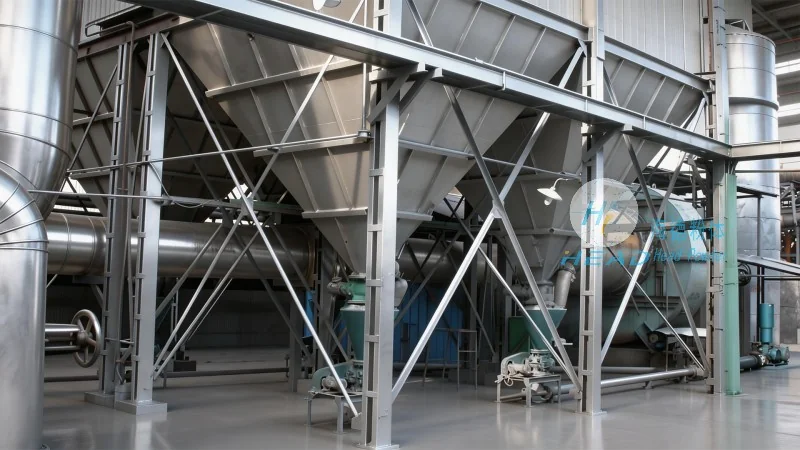
HeadPowder Engineering Co., Ltd., with its headquarters in Shandong, China, has extensive experience in designing and implementing calcined sand pneumatic conveying systems tailored to the specific needs of industrial clients. By adhering to the fundamental principles of fluidization, suspension, and controlled air flow, the company ensures that its systems deliver optimal performance, reliability, and efficiency. The integration of advanced engineering solutions and rigorous testing protocols ensures that each system meets the highest standards of safety and performance. As a leading provider in the field, HeadPowder continues to innovate and refine its pneumatic conveying technologies to meet the evolving demands of the industrial sector, providing sustainable and effective solutions for calcined sand handling.