HeadPowder, a leading engineering firm based in Shandong, China, specializes in the design and implementation of advanced pneumatic conveying systems for polyvinyl chloride (PVC) materials. This article delves into the fundamental principles behind these systems, highlighting how they efficiently transport PVC powders and granules while ensuring operational reliability and material integrity.
Pneumatic Conveying Fundamentals
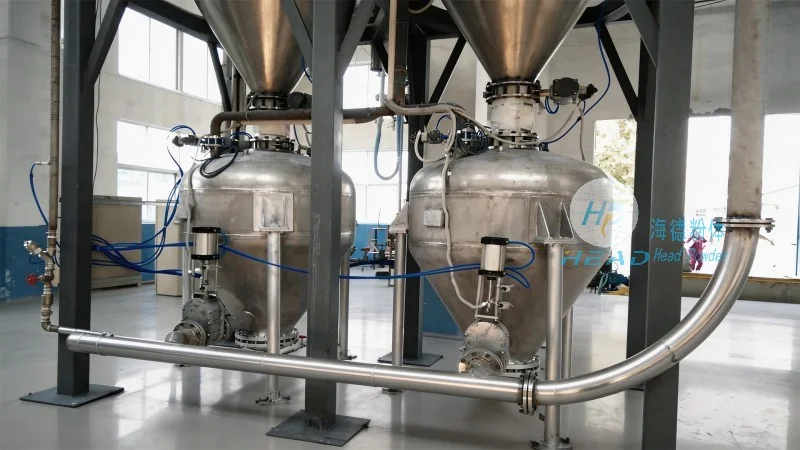
Pneumatic conveying systems utilize air or other gases to transport bulk materials like PVC through a pipeline network. The core principle involves creating a pressure differential that propels the material from the source to the destination. There are two primary types of pneumatic conveying: dilute-phase and dense-phase. Dilute-phase systems operate at higher velocities, typically with air-to-material ratios of 5:1 to 20:1, suitable for short distances and low to medium material loads. Dense-phase systems, on the other hand, use lower velocities and higher air-to-material ratios (1:1 to 5:1), ideal for longer distances and sensitive materials that require gentle handling.
Key Components of PVC Pneumatic Conveying Systems
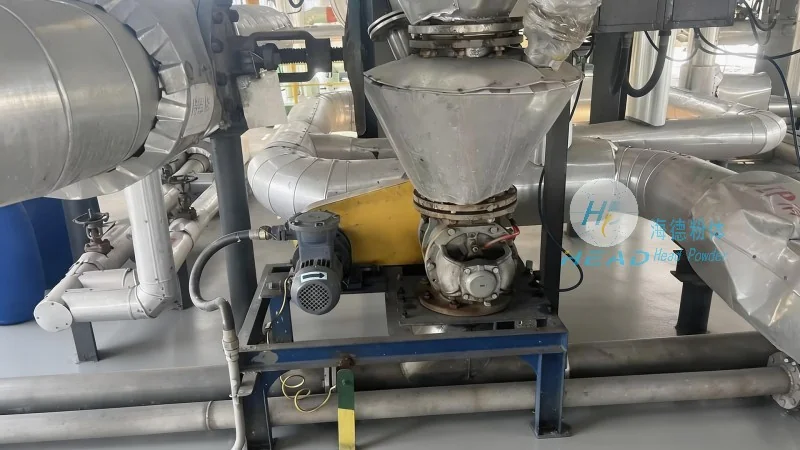
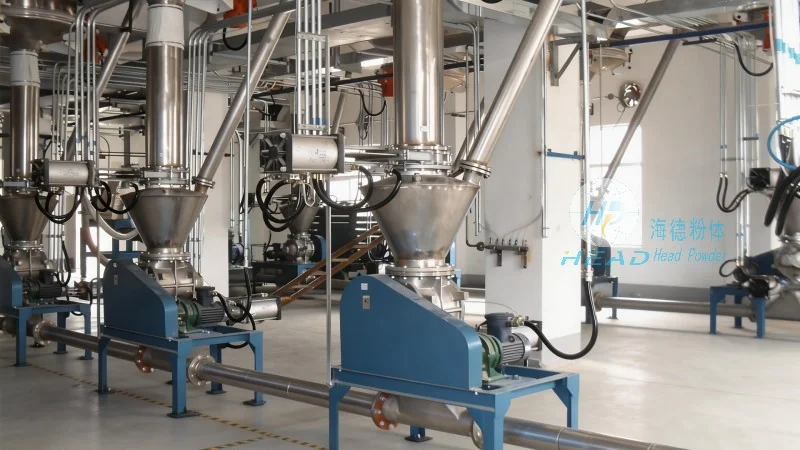
Effective PVC pneumatic conveying relies on several critical components working in concert. The system typically includes a material feed hopper, which stores and regulates the flow of PVC. A rotary airlock valve is often used to control the discharge of material from the hopper, preventing backflow and maintaining consistent material flow. The conveying pipeline is a crucial element, constructed from materials resistant to PVC and the conveying medium, such as stainless steel or specialized plastics. A venturi or pressure drop device is installed to create the necessary pressure differential, while a receiver or destination hopper collects the conveyed PVC at the end of the line.
Advantages of PVC Pneumatic Conveying
Implementing pneumatic conveying for PVC processing offers numerous benefits. Firstly, it eliminates the need for mechanical components like conveyor belts or buckets, reducing maintenance costs and minimizing the risk of material contamination. The enclosed system also prevents dust emissions, enhancing workplace safety and compliance with environmental regulations. Additionally, pneumatic conveying systems can handle PVC in various forms—powders, granules, or even small pellets—providing flexibility in material handling. The technology is particularly advantageous for applications requiring high throughput and precise control over material flow, such as in PVC production lines for pipes, sheets, or other products.
Operational Considerations and Best Practices
Successful operation of PVC pneumatic conveying systems requires careful consideration of several factors. Proper air pressure and flow rate must be maintained to ensure efficient material transport without causing excessive wear on components. Regular maintenance, including cleaning of the pipeline and inspection of airlock valves, is essential to prevent blockages and maintain system efficiency. HeadPowder emphasizes the importance of selecting the right system type (dilute or dense-phase) based on the specific application, material characteristics, and distance requirements. For instance, dense-phase systems are preferred for transporting PVC over long distances or handling sensitive materials that are prone to degradation under high velocities.
Conclusion
Understanding the principle of PVC pneumatic conveying systems is vital for optimizing material handling in PVC processing facilities. By leveraging the expertise of companies like Shandong HeadPowder Engineering Co., Ltd., industries can implement efficient, reliable, and cost-effective solutions that enhance productivity while maintaining material quality. The integration of advanced pneumatic conveying technology ensures that PVC materials are transported safely and effectively, supporting the broader goals of industrial efficiency and sustainability.




