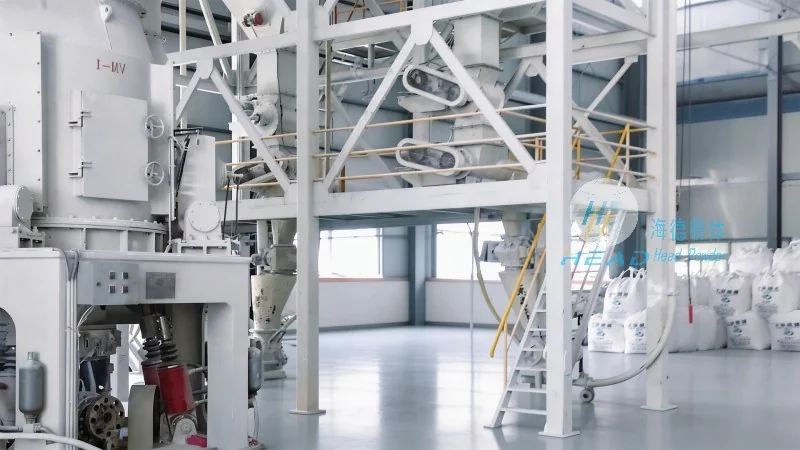
Low-pressure pneumatic conveying is a method of transporting bulk materials through a pipeline using air as the conveying medium. This technology is widely used in various industries, including food processing, pharmaceuticals, and chemical manufacturing, due to its ability to handle a wide range of materials efficiently and safely. Understanding the fundamentals of low-pressure pneumatic conveying, as well as its design principles, is crucial for engineers and industry professionals aiming to implement this system effectively.
Understanding Low-Pressure Pneumatic Conveying
At its core, low-pressure pneumatic conveying operates by creating a pressure differential between the inlet and outlet of the conveying system. The system typically consists of a blower or fan that generates a low-pressure air flow, which draws material from a hopper or storage bin into the pipeline. The material is then carried through the pipeline by the air stream and discharged at the destination point. This method is particularly suitable for materials that are sensitive to high pressure or temperature, as the low-pressure environment minimizes the risk of degradation or damage.
Key Design Principles of Low-Pressure Pneumatic Conveying Systems
The design of a low-pressure pneumatic conveying system involves several critical principles to ensure optimal performance and efficiency. First, the selection of the appropriate air velocity is essential. The air velocity must be high enough to lift and transport the material but low enough to prevent excessive wear on the pipeline and components. Engineers often use the "critical velocity" concept, which is the minimum air velocity required to keep the material suspended in the air stream. This velocity is determined by factors such as the material's density, particle size, and shape.
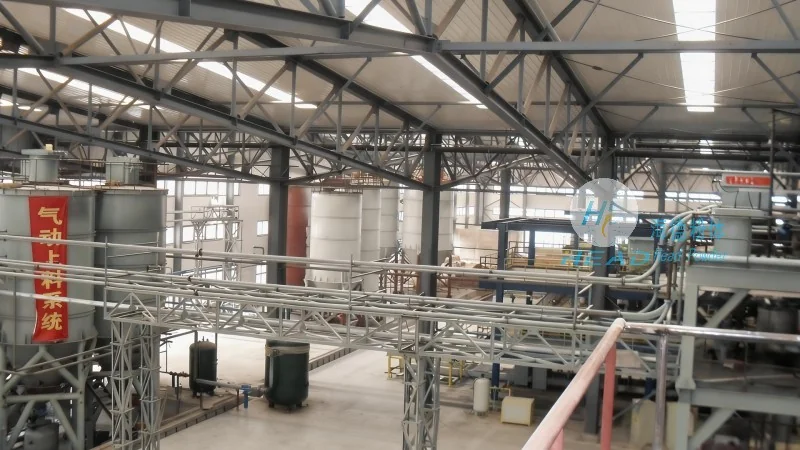
Second, the system's layout and pipeline design play a significant role. The pipeline should be designed to minimize bends and changes in direction, as these can cause pressure losses and material deposition. The use of smooth, corrosion-resistant materials for the pipeline is also important to maintain system efficiency and longevity. Additionally, the inclusion of appropriate components such as filters, cyclones, and silos is crucial for material separation and system maintenance.
Components and Equipment in Low-Pressure Pneumatic Conveying
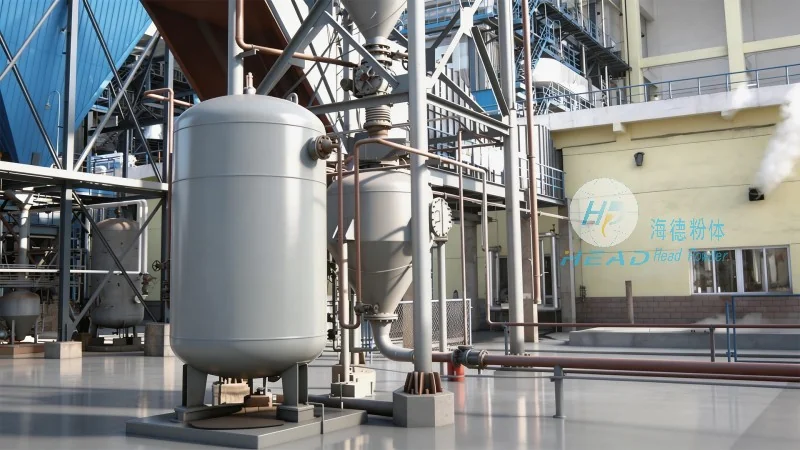
A typical low-pressure pneumatic conveying system includes several key components. The primary equipment is the blower or fan, which provides the necessary air flow. The system also includes a hopper or storage bin to hold the material, a feed device (such as a rotary valve or star feeder) to control the material flow into the pipeline, and a discharge device at the receiving end. The pipeline itself connects these components, and the system may include additional equipment such as filters to remove dust and debris from the air stream, and cyclones to separate the material from the air before it is returned to the blower.
Applications and Benefits of Low-Pressure Pneumatic Conveying
Low-pressure pneumatic conveying is used in a variety of applications across different industries. In the food industry, it is commonly used to transport powders and granules, such as flour, sugar, and spices, due to its ability to handle hygienic and sensitive materials. In the pharmaceutical industry, it is used to transport active pharmaceutical ingredients (APIs) and other sensitive materials, ensuring that the materials are handled in a clean and controlled environment. The benefits of low-pressure pneumatic conveying include its ability to handle a wide range of materials, its relatively low cost compared to other conveying methods, and its flexibility in system layout. Additionally, the system can be designed to be dust-free and enclosed, which helps to maintain a clean and safe working environment.
About Shandong HeadPowder Engineering Co., Ltd.
Shandong HeadPowder Engineering Co., Ltd., commonly known as HeadPowder, is a leading manufacturer and supplier of pneumatic conveying systems and related equipment. With a strong focus on innovation and quality, HeadPowder has established itself as a trusted partner in the industry, providing customized solutions for various material handling needs. The company's headquarters is located in Shandong, China, and it serves clients worldwide with its expertise in low-pressure pneumatic conveying technology. HeadPowder's commitment to customer satisfaction and technical excellence has made it a preferred choice for businesses seeking reliable and efficient material handling solutions.




