For industries dealing with soda ash, understanding the efficient and reliable methods of material handling is crucial. One such method is pneumatic conveying, a technology that has revolutionized the way bulk materials like soda ash are transported. This article delves into the concept of soda ash pneumatic conveying, exploring its design principles and the benefits it offers in industrial applications, with a focus on the solutions provided by Shandong HeadPowder Engineering Co., Ltd., a leading provider of engineering solutions for material handling systems.
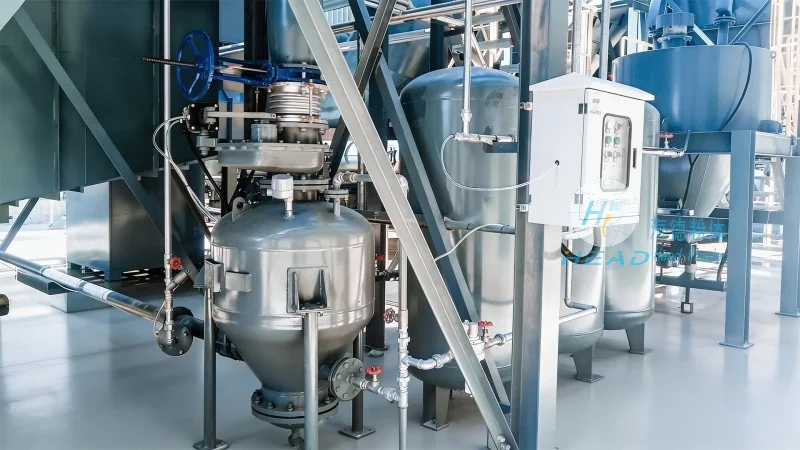
Understanding Soda Ash Pneumatic Conveying
Soda ash, also known as sodium carbonate, is a widely used chemical in various industries, including glass manufacturing, water treatment, and chemical production. Traditionally, soda ash has been transported using methods like trucks or conveyor belts, which can be inefficient, costly, and sometimes pose safety risks. Pneumatic conveying offers a more advanced solution by using air to move the material through a pipeline system. This method not only enhances safety by eliminating the need for manual handling but also improves the overall efficiency of the material transport process.
The Design Principles of Soda Ash Pneumatic Conveying Systems
The design of a soda ash pneumatic conveying system involves several key principles that ensure optimal performance and reliability. The first principle is the selection of the appropriate conveying type, which can be categorized into two main types: dilute phase and dense phase. Dilute phase systems use low air velocity to transport the material, making them suitable for long-distance and high-volume applications. Dense phase systems, on the other hand, use higher air pressure and lower velocity to move the material, which is ideal for short-distance and high-particle applications. The choice between these two depends on the specific requirements of the industrial process, such as the distance between the source and destination, the volume of material to be transported, and the characteristics of the soda ash, including its particle size and moisture content.
Another critical design principle is the selection of the right equipment components. These components include the feeder, which is responsible for feeding the soda ash into the conveying line, the air compressor, which provides the necessary air pressure, and the pipeline system, which transports the material. The feeder must be designed to handle the specific characteristics of soda ash, such as its flowability and potential for bridging or caking. The air compressor must be capable of delivering the required air volume and pressure to ensure the material is conveyed efficiently. The pipeline system must be constructed from materials that are resistant to the chemical properties of soda ash and can withstand the pressure and temperature conditions of the conveying process.
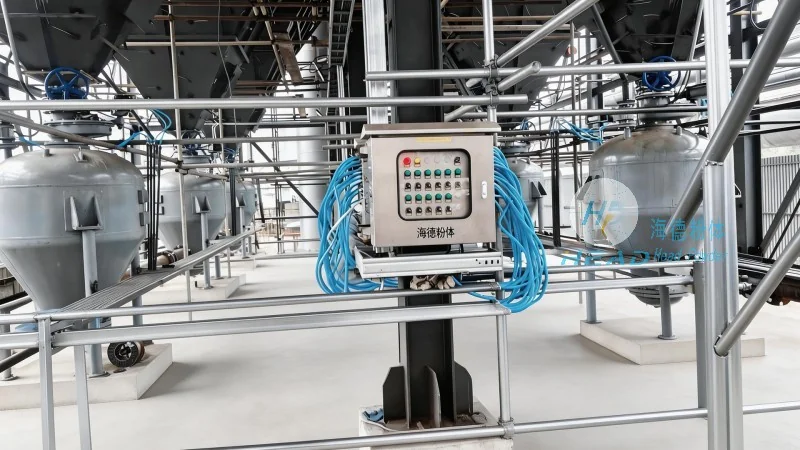
Key Considerations in System Design and Operation
When designing and operating a soda ash pneumatic conveying system, several factors must be considered to ensure its effectiveness and longevity. One of the most important considerations is the air-to-material ratio, which is the ratio of the volume of air to the volume of material being conveyed. The optimal air-to-material ratio varies depending on the conveying type and the characteristics of the soda ash. A higher air-to-material ratio is generally used in dilute phase systems to ensure the material is fully suspended in the air stream, while a lower ratio is used in dense phase systems to maintain a higher concentration of material in the pipeline.
Another important consideration is the system's pressure and velocity. The pressure in the system must be sufficient to overcome the resistance in the pipeline and lift the material to the desired height. The velocity of the air must be controlled to prevent the material from settling or clogging the pipeline. Proper control of these parameters is essential to prevent damage to the equipment and ensure the smooth operation of the system.
Additionally, the system's maintenance and monitoring are crucial for its long-term performance. Regular maintenance of the equipment, such as cleaning the feeder and pipeline, checking the air compressor, and inspecting the seals, is necessary to prevent downtime and ensure the system operates efficiently. Monitoring the system's performance, including the air pressure, flow rate, and material level, can help identify any issues early and prevent them from escalating into major problems.
The Benefits of Using Soda Ash Pneumatic Conveying
Implementing a soda ash pneumatic conveying system offers several benefits that make it an attractive option for industries dealing with soda ash. One of the primary benefits is improved safety. By eliminating the need for manual handling of the material, the system reduces the risk of accidents and injuries. This is particularly important in industries where soda ash is handled in large quantities or where the material is dusty or has other hazardous properties.
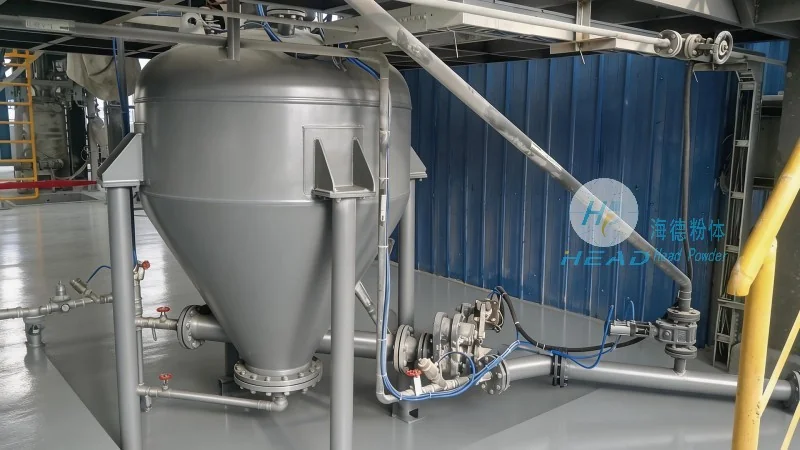
Another benefit is increased efficiency. Pneumatic conveying systems can transport soda ash over long distances and at high speeds, reducing the time and cost associated with material transport. This can lead to increased productivity and reduced operational costs for the company. Additionally, the system can be integrated with other processes, such as storage and processing, to create a more streamlined and efficient production line.
Furthermore, the system offers improved product quality. By using a closed system, the material is protected from contamination and moisture, which can affect its quality. This is particularly important for soda ash, which is often used in applications where purity is critical, such as in the production of glass or pharmaceuticals. The system also reduces the risk of material degradation due to exposure to air or other environmental factors.
Conclusion
Soda ash pneumatic conveying is a sophisticated and efficient method of material handling that offers numerous benefits for industries dealing with soda ash. By understanding the design principles and key considerations of such systems, companies can select and implement the most suitable solution for their specific needs. With proper design, operation, and maintenance, a soda ash pneumatic conveying system can provide reliable and cost-effective material transport, enhancing the overall efficiency and safety of the industrial process.




