What is Magnesium Powder Pneumatic Conveying? And What Are Its Design Principles?
Release time:2026-09-14 10:52:21
name of the company:Shandong Headpowder Engineering Co., Ltd.
telephone:156-6277-7102
contacts:Zhang manager
Magnesium powder pneumatic conveying is a specialized method used to transport dry, fine powders like magnesium through a pipeline using air or gas as the conveying medium. This technique is particularly valuable in industries where traditional bulk material handling methods are insufficient or impractical. The process operates by creating a flow of air that lifts and transports the powder particles, maintaining them in a suspended state throughout the pipeline. By leveraging the principles of fluidization and pressure differentials, the system ensures a consistent and controlled delivery of the material from the source to the destination. This approach not only enhances the efficiency of material transport but also minimizes the risk of contamination and material degradation, making it ideal for sensitive applications.
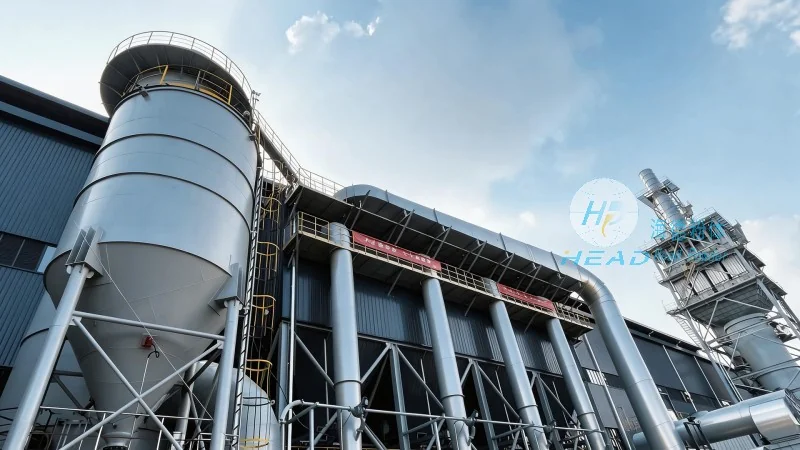
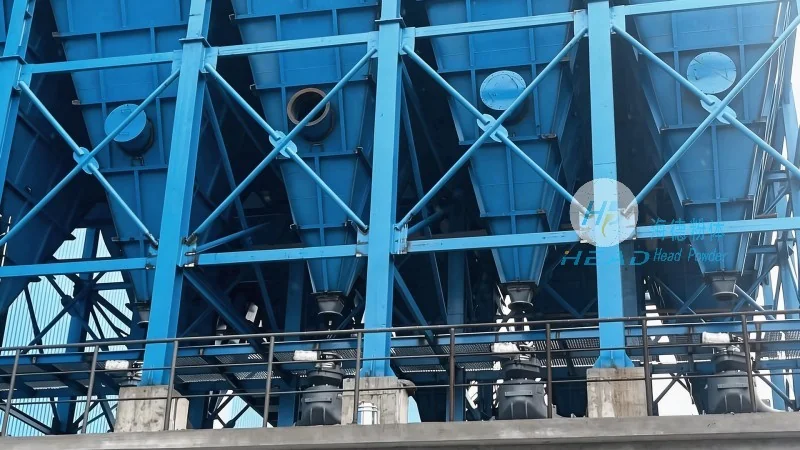
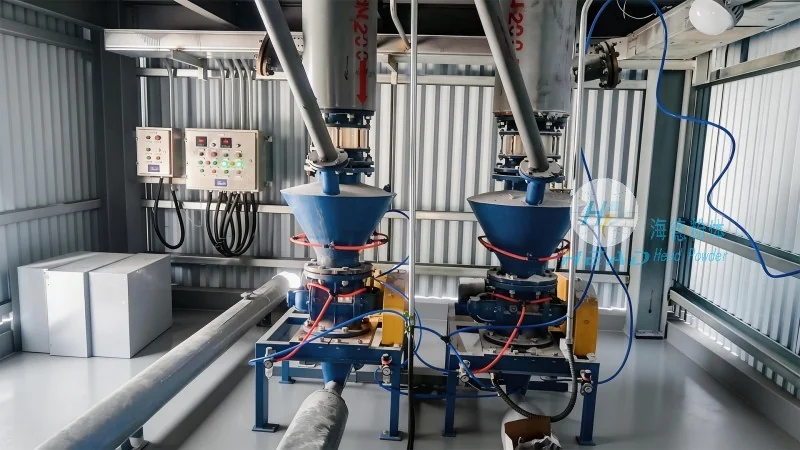
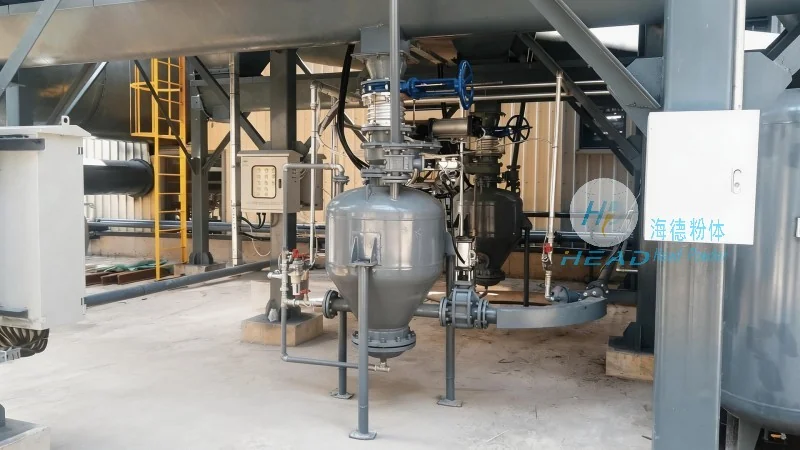
The Design Principles of Magnesium Powder Pneumatic Conveying Systems
Designing an effective magnesium powder pneumatic conveying system involves a comprehensive approach that addresses several critical factors. The first step is selecting the appropriate conveying medium, typically clean, filtered air, which must be regulated to maintain a stable flow and pressure. The system must also incorporate components that are compatible with the physical properties of magnesium powder, such as its particle size distribution, density, and flowability. Key design elements include the feeder, which ensures a uniform and controlled feed of the powder into the pipeline, and the pipeline itself, which is often made of materials like stainless steel to prevent corrosion and material interaction. The receiver, where the material is deposited, must be designed to handle the specific characteristics of magnesium powder, including its potential to form agglomerates or clog the system. Engineers must also consider the system's overall layout, including the slope of the pipeline to facilitate gravity-assisted return of any material that may be lost during the conveying process. Additionally, safety features are paramount, as magnesium powder can be flammable under certain conditions, requiring explosion-proof designs and proper ventilation to mitigate risks.




