

What is the Pneumatic Conveying of Slaked Lime Powder? And What Are the Design Principles?
Slaked lime powder, also known as calcium hydroxide, is a widely used chemical in various industrial applications, including water treatment, flue gas desulfurization, and construction. The efficient handling and transportation of this fine powder are crucial for maintaining production efficiency and ensuring product quality. Pneumatic conveying is a common method for transporting such powders, offering advantages like dust-free operation, low maintenance, and the ability to transport materials over long distances. This article explores the concept of slaked lime powder pneumatic conveying and delves into the underlying design principles that ensure its effective implementation.
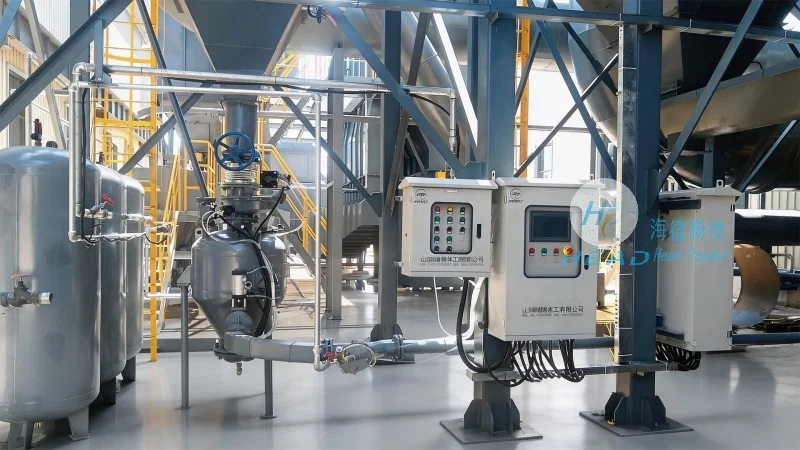
Pneumatic Conveying Basics
Pneumatic conveying systems use air or other gases to transport bulk materials through a pipeline. In the case of slaked lime powder, the system typically involves a hopper, a feeder, a conveying line, and a receiver. The process begins with the powder being fed from the hopper into the conveying line under the pressure of the air stream. The air velocity is carefully controlled to ensure that the powder particles are suspended and transported without clogging or degradation. There are two main types of pneumatic conveying: dilute-phase and dense-phase. Dilute-phase systems operate at higher air velocities, suitable for short distances or low-volume transport, while dense-phase systems use lower air velocities and higher pressure to move material more slowly and with less risk of particle degradation.
Design Principles for Slaked Lime Powder Conveying Systems
The design of a slaked lime powder pneumatic conveying system requires careful consideration of several key factors to ensure optimal performance and reliability. First, the system must be designed to handle the specific properties of the powder, such as its particle size distribution, moisture content, and flowability. Slaked lime powder is a fine, cohesive material that can be prone to caking or bridging in hoppers and feeders. Therefore, the hopper design often includes features like conical bottoms, agitators, or vibrators to prevent material buildup and ensure consistent feeding. The feeder, typically a rotary valve or a screw feeder, must be selected to match the powder's flow characteristics and the required conveying rate. The conveying line diameter and length are critical parameters that affect the air velocity and pressure drop. The line must be sized to maintain the appropriate air velocity to keep the powder in suspension while minimizing energy consumption. Additionally, the system must incorporate proper filtration and dust collection to comply with environmental regulations and maintain air quality. The receiver, where the powder is deposited, should be designed to prevent re-entrainment of dust and ensure easy discharge.
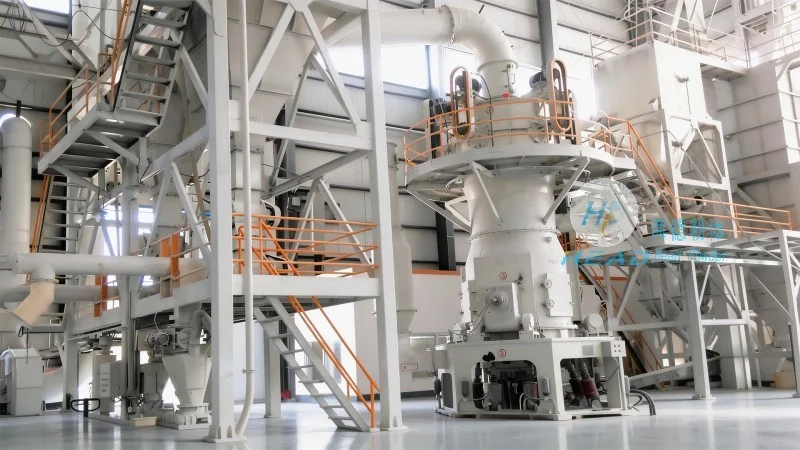
Key Components and Their Roles
Several key components are integral to the successful operation of a slaked lime powder pneumatic conveying system. The hopper is the storage vessel where the powder is held before being fed into the system. It must be designed to prevent material bridging and ensure uniform feeding. The feeder is responsible for controlling the flow rate of the powder into the conveying line. A rotary valve, for example, uses a rotating disc to allow powder to pass through while preventing backflow. The conveying line is the pipeline through which the powder and air travel. It is typically made of stainless steel or other corrosion-resistant materials to withstand the chemical properties of the slaked lime powder. The air compressor or blower provides the necessary pressure and volume of air to move the material. The receiver is the final container where the conveyed powder is deposited. It may include a dust collection system to capture any fine particles that escape during discharge. Each component must be properly sized and maintained to ensure the overall system operates efficiently and reliably.
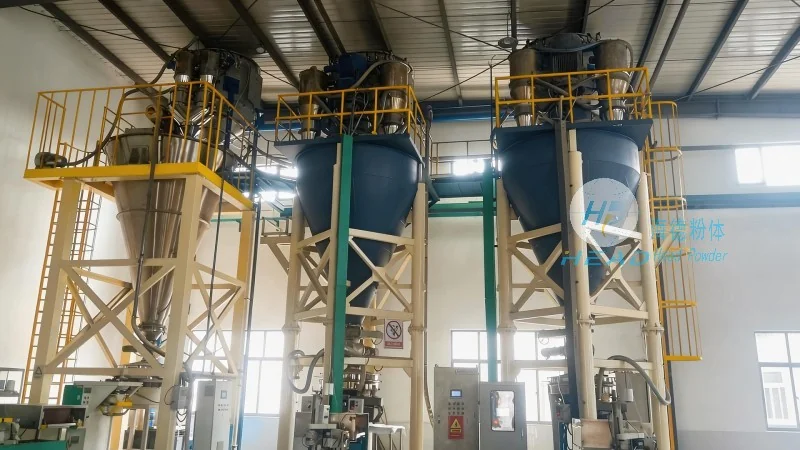
Advantages of Pneumatic Conveying for Slaked Lime Powder
Implementing a pneumatic conveying system for slaked lime powder offers several advantages over traditional methods like bucket elevators or belt conveyors. One of the primary benefits is the elimination of dust and the associated health and safety risks. Pneumatic systems operate in a closed loop, containing the powder within the pipeline and preventing it from being released into the environment. This not only improves workplace safety but also reduces the need for dust control measures like baghouses or cyclones. Another advantage is the ability to transport the powder over long distances without the need for intermediate storage or transfer points. This can improve overall production efficiency by reducing downtime and material handling steps. Additionally, pneumatic conveying systems are relatively low maintenance compared to other bulk material handling equipment. They have fewer moving parts and do not require frequent lubrication or replacement of wear parts. The system can be easily integrated into existing production lines, making it a flexible solution for various industrial applications.
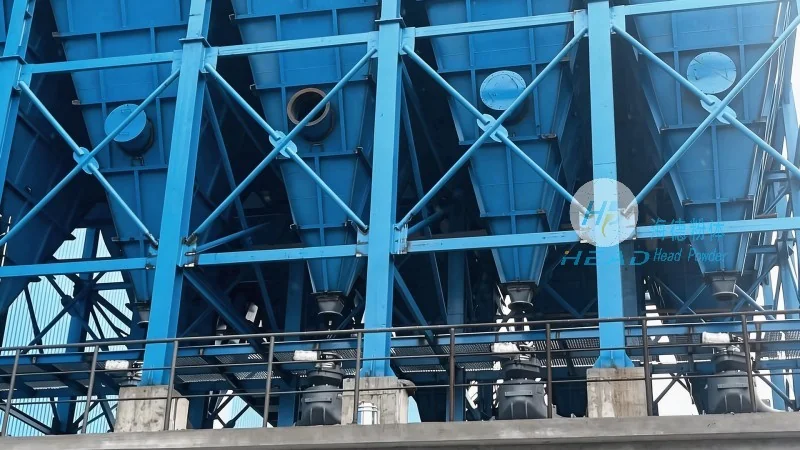
Considerations for System Design and Installation
When designing and installing a slaked lime powder pneumatic conveying system, several factors must be considered to ensure optimal performance. The first consideration is the material's properties, as mentioned earlier. The particle size, moisture content, and flowability of the slaked lime powder will dictate the system's design parameters. For example, a system handling very fine powder may require a different air velocity and line diameter compared to a system handling coarser particles. The system's location and the distance it needs to cover are also critical. Longer distances may require higher air pressure or additional booster units to maintain the material's suspension. The environmental regulations in the area must be considered, as the system must comply with local air quality standards. The cost of the system, including initial installation and ongoing maintenance, is another important factor. While pneumatic conveying systems may have higher initial costs compared to some traditional methods, their long-term benefits, such as reduced downtime and improved safety, often outweigh the investment. Proper training of operators and regular maintenance schedules are essential to ensure the system operates at peak efficiency and longevity.
Conclusion
Slaked lime powder pneumatic conveying is an effective and efficient method for transporting this essential chemical in various industrial applications. The design principles, which include careful consideration of the powder's properties, system components, and operational parameters, are crucial for ensuring the system's reliability and performance. By implementing a well-designed pneumatic conveying system, industries can improve their production efficiency, enhance workplace safety, and comply with environmental regulations. As a leading provider in the field, Shandong HeadPowder Engineering Co., Ltd. specializes in designing and manufacturing customized pneumatic conveying systems tailored to the specific needs of clients, ensuring optimal performance and long-term reliability for their slaked lime powder handling requirements.