

Solid Powder Pneumatic Conveying: What It Is and Its Design Principles
HeadPowder, a leading engineering company based in Shandong, China, specializes in the design and implementation of pneumatic conveying systems for solid powders. This article explores the fundamental concepts of solid powder pneumatic conveying and the key design principles that underpin its effective operation.
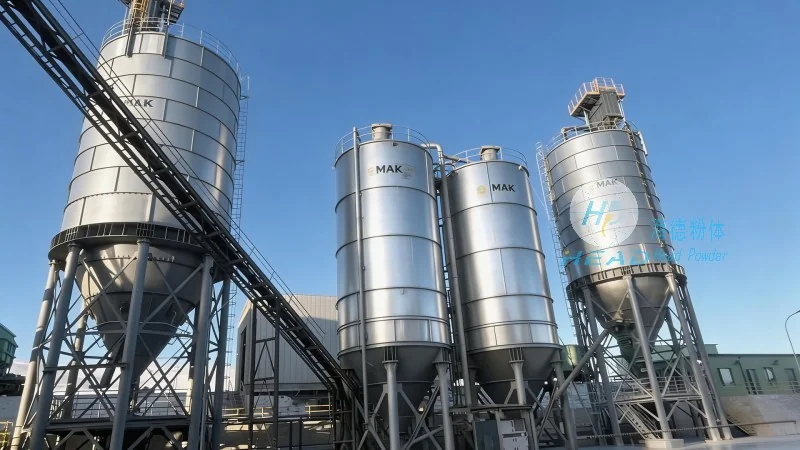
What is Solid Powder Pneumatic Conveying?
Solid powder pneumatic conveying is a method of transporting bulk solid materials, such as powders, granules, and fine particles, through a pipeline using a carrier gas, typically air or a mixture of air and other gases. Unlike traditional mechanical conveying systems that rely on mechanical components like belts or screws, pneumatic conveying uses the force of the gas to move the material through the system. This technology is widely used in various industries, including food processing, pharmaceuticals, chemicals, and manufacturing, due to its ability to handle delicate materials without degradation and to transport them over long distances with minimal maintenance.
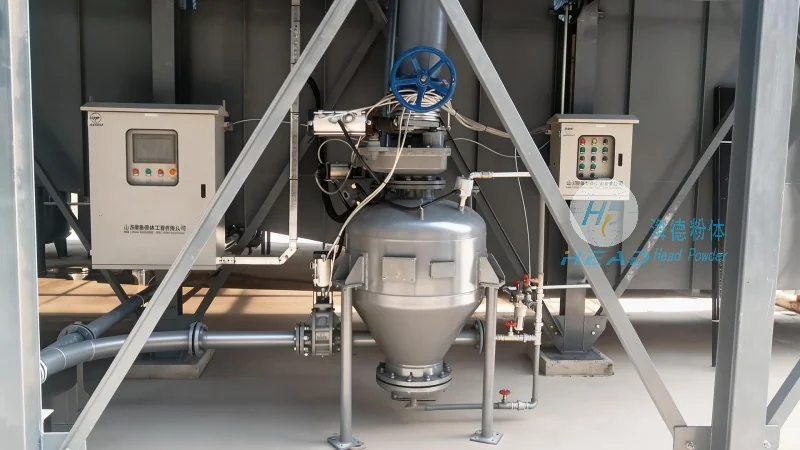
The Core Design Principles of Pneumatic Conveying Systems
The effectiveness of a pneumatic conveying system is determined by several critical design principles that ensure efficient material transport, minimal pressure loss, and reliable operation. These principles are tailored to the specific characteristics of the solid powder being conveyed, such as particle size, density, moisture content, and flowability. The primary design considerations include:
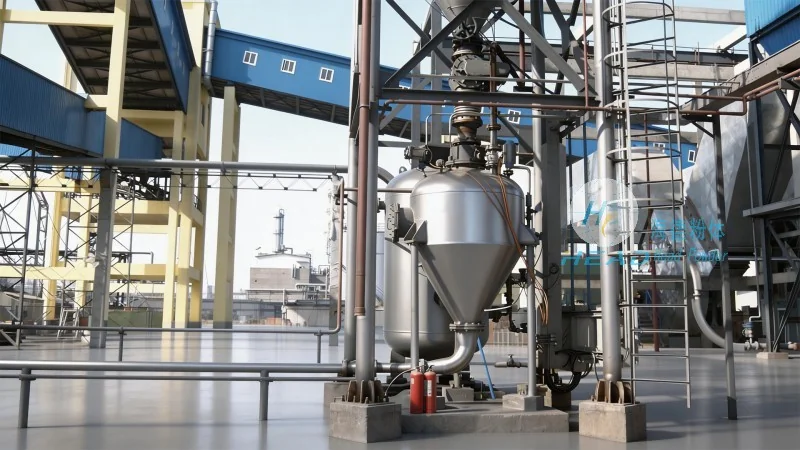
- System Type Selection: The choice between dilute-phase and dense-phase conveying depends on the material properties and the required conveying distance. Dilute-phase systems use high-velocity air to suspend particles in the pipeline, suitable for short to medium distances and low to medium particle sizes. Dense-phase systems, on the other hand, use lower air velocities and higher material concentrations, making them ideal for long-distance transport and handling of abrasive or sensitive materials.
- Pressure and Flow Rate Management: Proper control of the air pressure and flow rate is essential to maintain the desired conveying velocity and prevent material deposition or blockages. The pressure must be sufficient to overcome the frictional losses in the pipeline and the gravitational forces acting on the particles. Flow rate adjustments are critical to ensure consistent material delivery and to avoid overloading the system.
- Pipeline Sizing and Layout: The diameter and length of the conveying pipeline, along with the number of bends and fittings, significantly impact the system's performance. Larger diameter pipes reduce pressure drop but increase material residence time, while smaller diameters require higher air velocities. The layout must be optimized to minimize the number of bends and to avoid sharp turns that can cause particle separation or abrasion.
- Material Handling and Conditioning: Pre-treatment of the solid powder, such as drying, sieving, or blending, can improve its flowability and reduce the risk of clogging. Conditioning the material before it enters the conveying system ensures that it behaves predictably and that the system operates efficiently. This step is particularly important for materials with high moisture content or poor flow characteristics.
- Equipment Selection and Integration: The selection of components, including the air compressor, feeders, cyclones, and receivers, must be coordinated to match the system's design requirements. The air compressor provides the necessary pressure and flow, while the feeder ensures a consistent material feed rate. Cyclones are used to separate the material from the gas stream, and receivers collect the conveyed material. Proper integration of these components ensures smooth operation and minimal downtime.
Key Considerations for Designing a Reliable Pneumatic Conveying System
Designing a reliable pneumatic conveying system requires a thorough understanding of the material properties and the operational requirements. The following factors are crucial for achieving optimal performance:
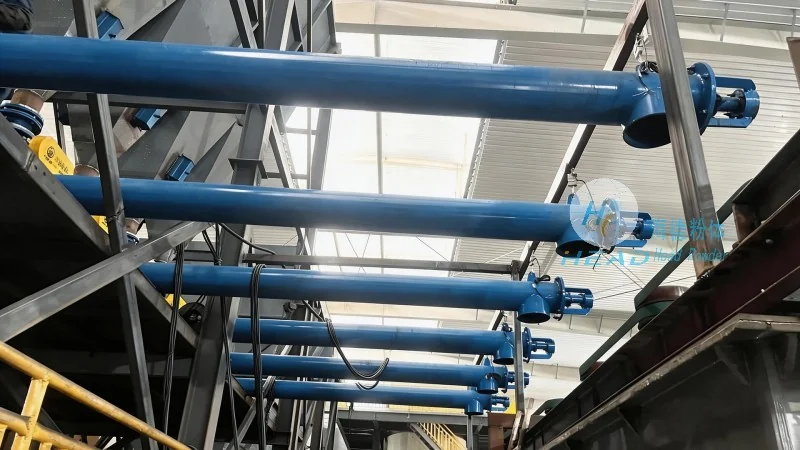
- Material Characteristics: The physical and chemical properties of the solid powder, such as particle size distribution, density, moisture content, and abrasiveness, dictate the system's design. For example, fine powders with high moisture content may require a drying step before conveying, while abrasive materials may need special materials for the pipeline and components to prevent wear.
- Conveying Distance and Capacity: The required conveying distance and the desired material flow rate determine the system's scale and complexity. Longer distances and higher capacities may necessitate the use of dense-phase systems or multiple stages of conveying, while shorter distances and lower capacities can be handled by dilute-phase systems.
- System Efficiency and Energy Consumption: Optimizing the system's efficiency involves minimizing pressure losses and energy consumption. This can be achieved by selecting the appropriate pipeline diameter, using efficient air compressors, and minimizing the number of bends and fittings. Energy-efficient designs not only reduce operational costs but also contribute to environmental sustainability.
- Safety and Maintenance: Safety considerations, such as explosion-proof designs for flammable materials and proper ventilation, are essential. Regular maintenance of the system components, including the air compressor, feeders, and cyclones, is necessary to ensure long-term reliability and prevent breakdowns.
Conclusion
Solid powder pneumatic conveying is a versatile and efficient method for transporting bulk solid materials, and its design principles are critical to its successful implementation. By carefully considering the material properties, system type, and operational requirements, engineers can design a reliable and cost-effective pneumatic conveying system. HeadPowder, with its expertise in engineering and design, provides comprehensive solutions for pneumatic conveying systems, ensuring that clients achieve their material handling needs with minimal downtime and maximum efficiency.